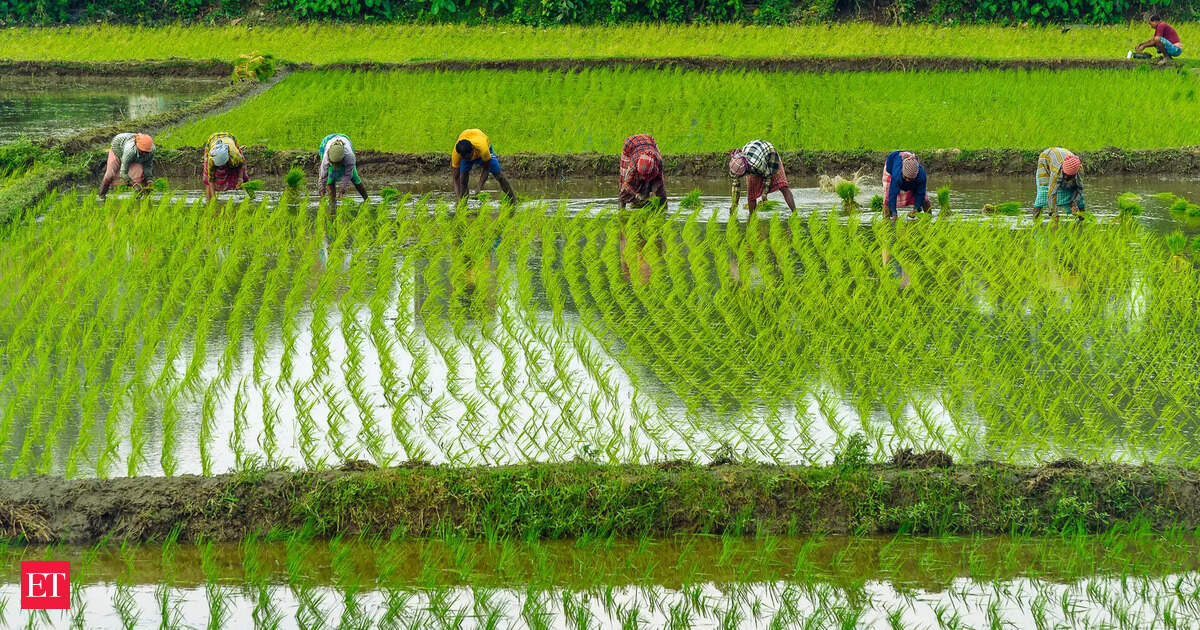
The increasing frequency of extreme weather events is forcing a structural pivot in Indian agricultural practices. Traditional farming methods are no longer sufficient to manage the volatility of modern climate patterns, necessitating a rapid integration of data-driven technology and climate-resilient crop varieties. This transition marks a fundamental change in how the sector approaches yield stability and resource management.
Technological Integration in Crop Management
The reliance on historical weather cycles has become a liability for large-scale agricultural operations. Modern resilience strategies now prioritize precision agriculture, which utilizes real-time data to optimize irrigation, fertilizer application, and planting schedules. By reducing the margin of error in resource allocation, these systems mitigate the financial impact of erratic rainfall and temperature spikes. The move toward digital monitoring tools allows for a more granular response to environmental stress, effectively shifting the sector from reactive damage control to proactive risk mitigation.
Supply Chain Stability and Economic Impact
Agricultural output in India serves as a primary driver for broader economic stability. When crop yields face consistent threats from climate-related disruptions, the volatility cascades into food inflation and impacts the margins of downstream consumer goods companies. The current push for climate-resilient farming is not merely an environmental initiative but a necessary hedge against systemic supply chain shocks. Investors are increasingly evaluating agricultural firms based on their ability to implement these technological safeguards, as the capacity to maintain consistent production levels is becoming a key differentiator in market valuation.
AlphaScala data currently reflects a complex landscape for technology-integrated sectors, with ServiceNow (NOW stock page) holding an Alpha Score of 51/100 and ON Semiconductor (ON stock page) at 45/100. These scores underscore the mixed sentiment surrounding companies that provide the underlying infrastructure for industrial and agricultural automation.
The Path Toward Standardized Resilience
The next phase of this transition will be defined by the scalability of these climate-resilient solutions. While pilot programs have demonstrated the efficacy of precision tools, the challenge remains in widespread adoption across diverse geographic and economic tiers. Future market assessments will focus on the following markers:
- The rate of adoption for government-backed climate-resilient seed programs.
- Capital expenditure trends among major agricultural input providers.
- The integration of satellite-based monitoring systems in regional crop insurance frameworks.
As the sector moves toward these benchmarks, the focus will shift from experimental technology to standardized operational requirements. The ability of firms to bridge the gap between traditional agricultural knowledge and modern digital infrastructure will determine the long-term viability of the sector. Monitoring the upcoming policy updates regarding agricultural subsidies and technology grants will provide the next concrete signal for the pace of this industrial shift. For broader context on how industrial sectors manage similar transitions, see our stock market analysis.