After a Fire or Flood, Homeowners Face Bills Beyond the Damage
Mould cleanup after a flood can cost tens of thousands of dollars. Insurance triggers at evacuation; here's what policies cover and what to ask your broker.
The financial fallout from a wildfire or flood reaches well beyond the damaged property. "The impacts of these natural disasters are much broader than just that physical damage. It can disrupt virtually every aspect of someone's financial life," Ali Harris-Saunders of the non-profit Credit Counselling Society told MoneySense.
She splits those impacts into near- and long-term. Near-term costs include hotel stays and food during an evacuation, lost income and repairs to damaged property. Longer-term effects can include lower property values and higher insurance premiums, plus debt that builds once emergency funds run out.
"I find that for many households, the biggest challenge isn't the actual disaster itself. It's the financial strain that follows after it," Harris-Saunders said.
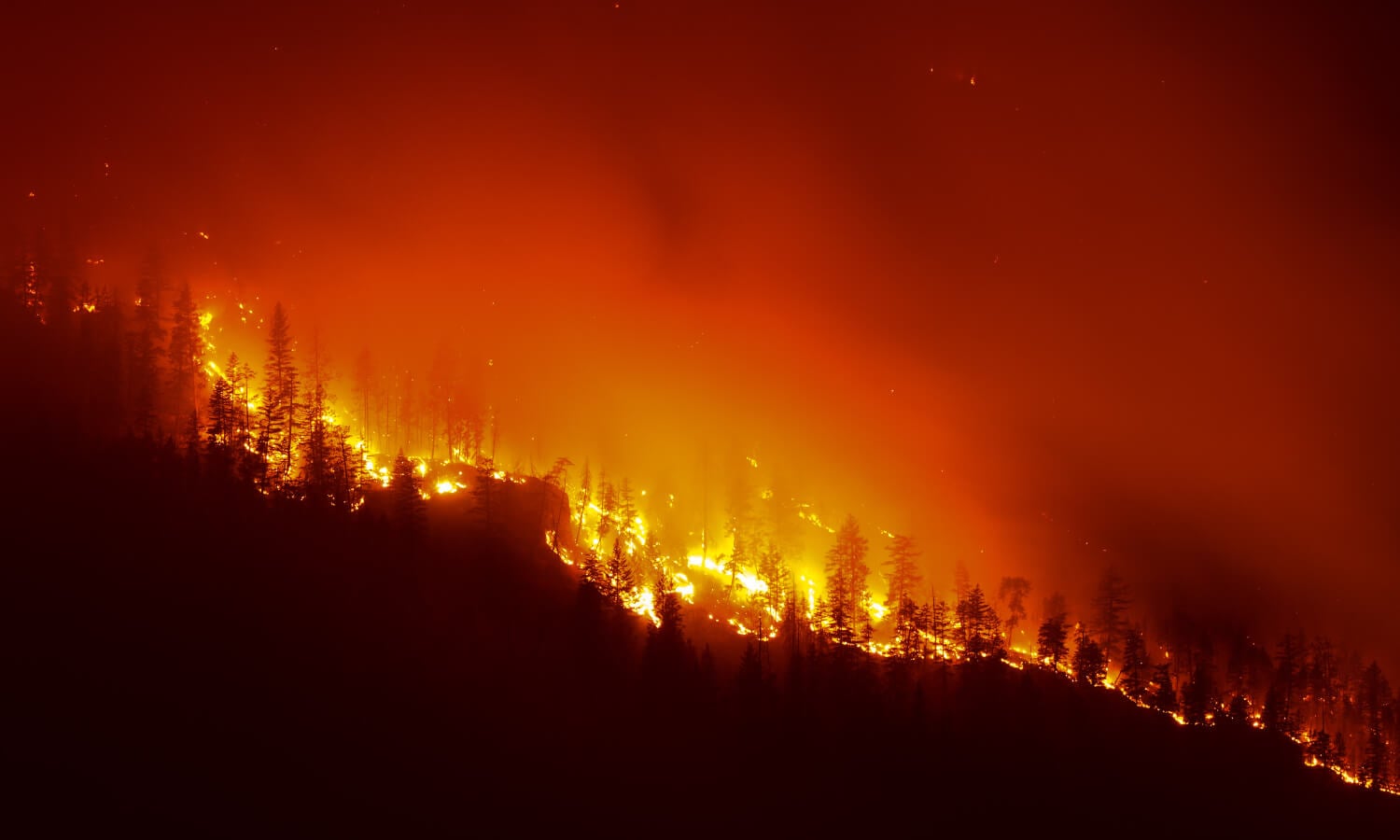
When wildfires swept Penticton, B.C., insurance company representatives were on the ground answering evacuees' questions, said Rob de Pruis of the Insurance Bureau of Canada. Some residents expected to be back within a day. "I was talking to a few residents ... who literally left with only the clothes on their back, thinking they would go back the next morning," de Pruis said. "Well, they were out for almost a week. They have no clothes."
"The moment that you're evacuated, whether you have damage to your home or not, your insurance policy is triggered," de Pruis told MoneySense. Policies generally cover living expenses for anyone under an evacuation order, including temporary lodging and food. In Penticton, insurers processed electronic transfer payments on the spot for evacuees, and some called clients in the region proactively, he said.
Insurance is tapped first for immediate costs. Government emergency supports are meant for households that are underinsured or uninsured, covering what de Pruis called "unmet needs."
Evacuees still face their regular bills. Lenders and phone or utility providers can often offer temporary relief in hardship cases. The relief is not automatic, and Harris-Saunders said evacuees should contact providers as early as possible and keep up with regular payments while arrangements are being made, so they don't fall behind.
Assessing the Damage After the All-Clear
Challenges continue once residents are cleared to return and inspect their properties. "The first step is to do a really thorough survey of the house when you get back and that starts with the outside. Walk around and really look around, look up, look down, look at the roof ... and see if anything looks different," Jim Mandeville, senior vice-president of restoration company First Onsite, told MoneySense.
After a fire, soot inside the home signals that professional cleaning may be needed, Mandeville said. Newer builds, sealed more tightly, are less likely to take in soot. "If you're walking around the house and you run your finger over something and you're getting black on your finger, you're going to want to get in touch with your insurance company and you're probably going to want to look at having some professional cleaning done, which can range from very minor to very, very extensive."
For flood damage, Mandeville cautions against re-entering a property while standing water remains outside the home. Homeowners should call their insurance company, which usually has preferred flood restoration contractors, he said.
If water has sat ankle-deep or higher in a finished basement for more than a few days, "you're going to have a mould problem," Mandeville said. "Costs will be tens of thousands of dollars, potentially many tens of thousands of dollars to get that remediated." He said remediation often also means replacing the furnace and hot water heater, and possibly fixing electrical damage. Mould remediation is not a do-it-yourself job. It can threaten residents' health if done wrong, he added.
Flood Coverage Falls Short of Cleanup Costs
Standard home insurance covers fire damage. Flood coverage is built differently: overland flood and sewer backup coverage are added to a base policy, and the amounts vary with the premium. Policies can also cover food spoilage after a power outage, and a fridge or freezer that needs replacing after days without power.
Mandeville said flood coverage often falls well short of what proper cleanup costs. "That's something that, next time your insurance comes up to renew, really should be a topic of conversation between you and your broker, especially if you live in an area that has had flooding before or may be prone to flooding."
Drafted by a large language model from the source reporting linked above, then screened by automated publishing checks. It is not read by a journalist before publication. Some articles cite our Alpha Score. Verify prices and figures against the original source. Educational coverage, not personalized advice.