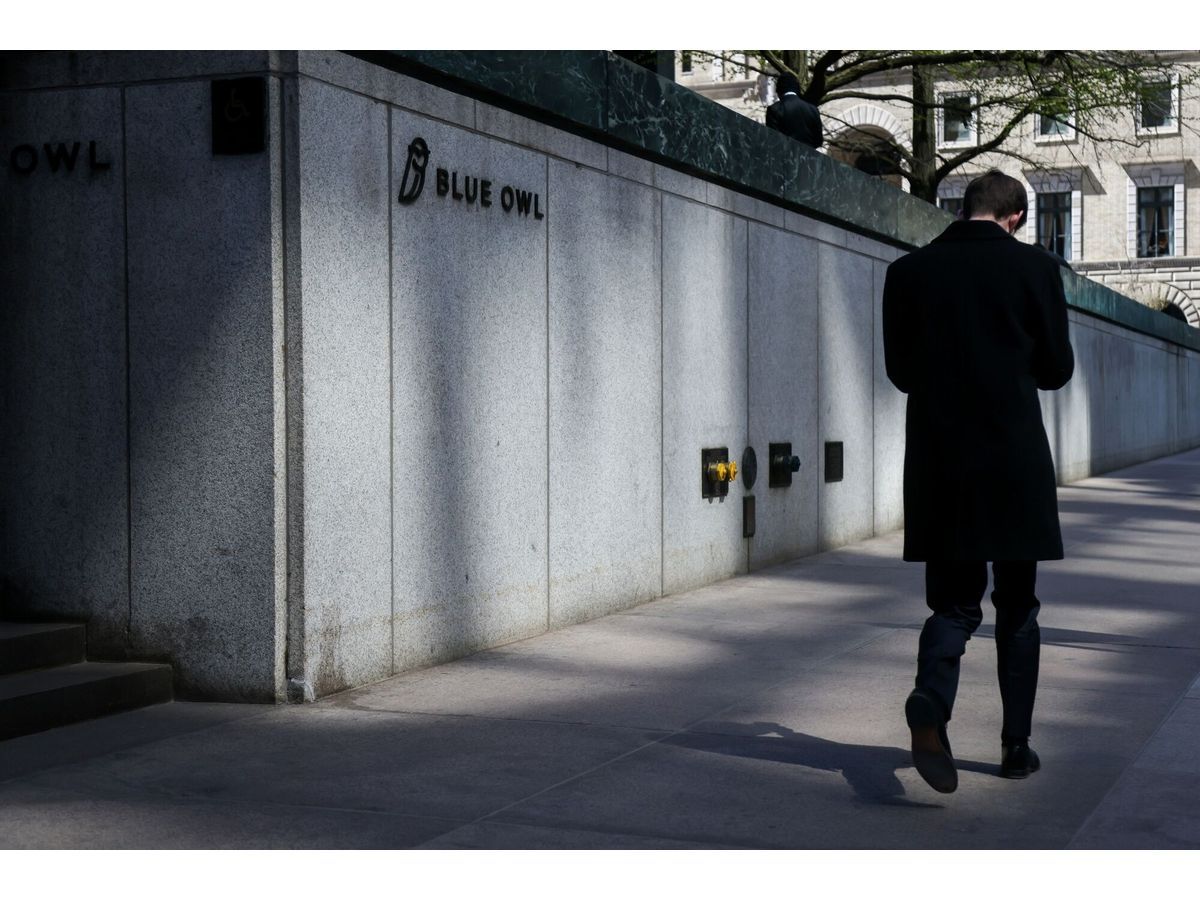
The executives from Blue Owl Capital Inc., Ares Management Corp., and Golub Capital have landed in Mexico City. They are chasing a single prize: access to the country’s Afores, the pension funds that control roughly $498 billion (8.7 trillion pesos) and are projected to reach 12 trillion pesos by 2030. For an alternatives industry facing a global fundraising squeeze, this pool of untapped, growing capital is the rarest find in years.
Why Traditional LP Sources Are Drying Up
Many US pension funds have hit their allocation limits for private markets. Others demand distributions from past funds before committing new capital. Retail capital, while increasing, has proved flighty: recent outflows from private credit funds showed that “sticky” retail money is not guaranteed. Even the Gulf sovereign wealth funds that dominated fundraising for the past decade face questions about their investment pace amid regional conflicts and domestic spending priorities.
This creates a vacuum. The Afores are filling it.
Practical rule: When the largest traditional limited partners are capped, the next marginal dollar comes from the largest uncapped pool. Right now, that pool is Mexican pensions.
The Regulatory Mechanism That Unlocked Mexico’s Pension Assets
Two regulatory shifts drive the opportunity. First, reforms increased the mandatory contribution rate to workers’ retirement accounts, directly expanding the asset base. Second, rule changes raised the ceiling on how much Afores can allocate to international private markets managers. The result is a pension system that is both larger and more permissive in its external manager exposure.
Philippe Stiernon, founder of ROAM Capital, which represents US private equity firms in Latin America, described Mexico as “currently one of the most attractive fundraising markets globally, alongside the Middle East.” The demographic and structural tailwinds, he said, “are incredibly powerful, which is why virtually every major alternative-asset manager is now prioritizing Mexico.”
The First-Mover Advantage: BlackRock, Blackstone, KKR, Lexington Partners
Limited visibility into the Afores portfolios makes it difficult to track which external managers are securing commitments. Data from local exchange Biva shows that some of the earliest to establish vehicles accessible to Afores include BlackRock Inc., Blackstone Inc., KKR & Co., and Lexington Partners.
Sergio Mendez, country head for BlackRock in Mexico, said the firm’s partnership with the local pension system has been “central to our shared growth,” adding that “the country’s Afores represent one of the most dynamic pools of long-term institutional capital in Latin America.”
KKR managing director Monica Mandelli, who leads the firm’s capital formation activities in Latin America, said Mexico “has been an important market” for the company for many years, and the country “remains a key part of our broader engagement across Latin America.”
For Blue Owl, Ares, and Golub Capital, the question is whether they can catch up. The firms that built local vehicles earlier already have infrastructure in place. New entrants must either partner with local asset managers, acquire existing vehicles, or build from scratch – a process that takes months to years.
The Execution Risk for Blue Owl, Ares, and Golub Capital
The Afores do not invest directly in offshore funds. They invest through locally registered vehicles – Sociedades de Inversión Especializadas en Fondos de Inversión (SIEFIs) or similar structures. A foreign manager must either create a Mexican-domiciled fund or partner with a local institution that can offer one. This regulatory layer adds execution risk and time.
Once a vehicle is established, the allocation decisions go through the Afores’ own investment committees, which evaluate track record, fees, and alignment. The decision cycle is slower than a US pension fund’s. The capital, however, once committed, tends to be stickier because the Afores are not subject to the same liquidity pressures as retail funds.
Risk to watch: The biggest risk for Blue Owl, Ares, and Golub is that they fail to establish Mexican-domiciled vehicles before the first wave of commitments flows to incumbents. A 12- to 18-month delay essentially cedes the market to BlackRock, Blackstone, KKR, and Lexington.
AlphaScala Scores: How the Market Prices These Firms
For traders tracking these names, the Mexico fundraising story is a long-duration catalyst. It affects future fee-related earnings, not this quarter’s numbers. The AlphaScala platform provides the following scores for the three firms named in the article:
KKR holds the highest score among the three, reflecting its established Mexico presence and Biva-confirmed vehicle access. ARES and OWL – with lower or no coverage – have more to prove before the market prices in the Afore tailwind.
What Confirms or Breaks the Thesis
What confirms the thesis:
- New vehicle registrations: If Blue Owl, Ares, or Golub file for Mexican-domiciled fund structures, it signals active capital raising.
- Afore allocation data: Quarterly disclosures showing increased exposure to external private markets managers would confirm the trend.
- Earnings call mentions: If management teams cite Mexico as a growth driver in forward-looking commentary, the market can price the opportunity.
What weakens the thesis:
- Regulatory reversal: A change in the rules that cap international allocations would shrink the addressable market.
- Political risk: A shift in Mexico’s government stance toward foreign asset managers could slow or block capital flows.
- Execution failure: If early entrants like Blue Owl and Ares fail to secure commitments within 12-18 months, the first-mover advantage accrues to incumbents.
The Sector Read-Through: Which Firms Benefit From the Afore Tailwind
The Afores opportunity is not limited to the firms named in the article. Every major alternatives manager with a Latin American strategy is affected. The read-through is strongest for firms that already have a Mexico presence – KKR, BlackRock, Blackstone – because they have a head start on vehicle setup and relationship building.
For firms without a Mexico office, the cost of entry is higher. They must either hire local teams, acquire a local manager, or accept slower capital raising through partnerships. The firms that make the trip to Mexico City and leave with commitments will be the ones that treat the Afores as a core fundraising channel, not a side project.
Bottom line for traders: The Afores are not a cyclical fundraising source. They are a structural one, driven by demographics and regulation. Firms that ignore them risk losing share in the next decade’s largest pool of incremental LP capital.
For traders watching Blue Owl, Ares, and KKR, the next catalyst is not a single deal. It is a pattern: quarterly Afore allocation data, new fund filings in Mexico, and management commentary on Latin America fundraising. The first firm to announce a material Afore commitment will set the benchmark for the group.
The executives have arrived in Mexico City. The question is which ones will leave with capital commitments.