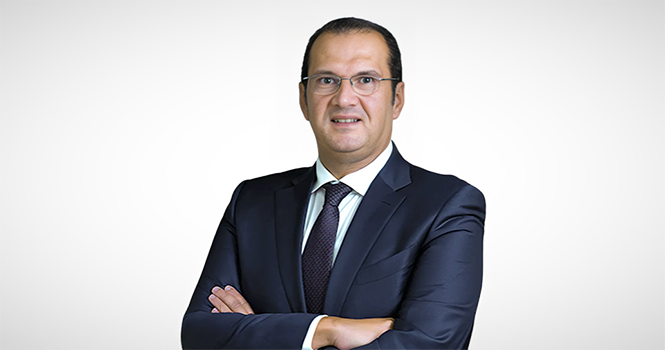
CEO Farouk expects ADES to recover its Saipem acquisition cost within seven years as Saudi offshore drilling tightens and Aramco spending rises.
Mohamed Farouk, chief executive of ADES Holding, told analysts on an earnings call Thursday he expects the company to recover its investment in the acquisition of Saudi Arabian Saipem within roughly seven years. The deal closed in the second quarter.
ADES paid cash and assumed debt to take control of three jackup rigs operating in the Red Sea and Arabian Gulf, with options for additional units if contracts are extended. Saipem's Italian parent had been looking to exit the Saudi market. ADES stepped in when the parent needed to clear its balance sheet.
Riyadh-based Al Rajhi Capital estimated the enterprise value at roughly $350 million in a note last month. Farouk did not disclose the exact purchase price.
The payback timeline implies ADES expects strong utilisation and stable dayrates. Saudi offshore drilling has tightened as Aramco accelerates gas development spending. ADES already ran 34 rigs across the Middle East and Africa before the deal. The Saipem fleet pushed that number past 40.
Some risk sits in the Aramco contract cycle, which is lumpy. A slowdown in gas projects or a shift toward long-term leasing could compress margins. Farouk argued the operational fit is better than the financials suggest. The rigs are modern and share supply chains with ADES's existing fleet.
ADES reported 2024 revenue of SAR 4.2 billion, up 18% year on year. Net profit came in at SAR 712 million. The Saipem assets have not yet contributed a full year of earnings. The first full quarter will be the current one.
A real test arrives when Aramco awards its next batch of offshore drilling contracts, typically in the second half. ADES needs to secure extensions for the ex-Saipem rigs or risk idle time. Farouk said conversations with Aramco are ongoing.
Prepared with AlphaScala editorial tooling from the source reporting linked above. Indexable analysis may include a cited Alpha Score value. Publishing checks screen each story before release. Educational coverage, not personalized advice.