Earnings● Neutral
Adani's ₹1.53 lakh cr capex hits record as EBITDA growth lags
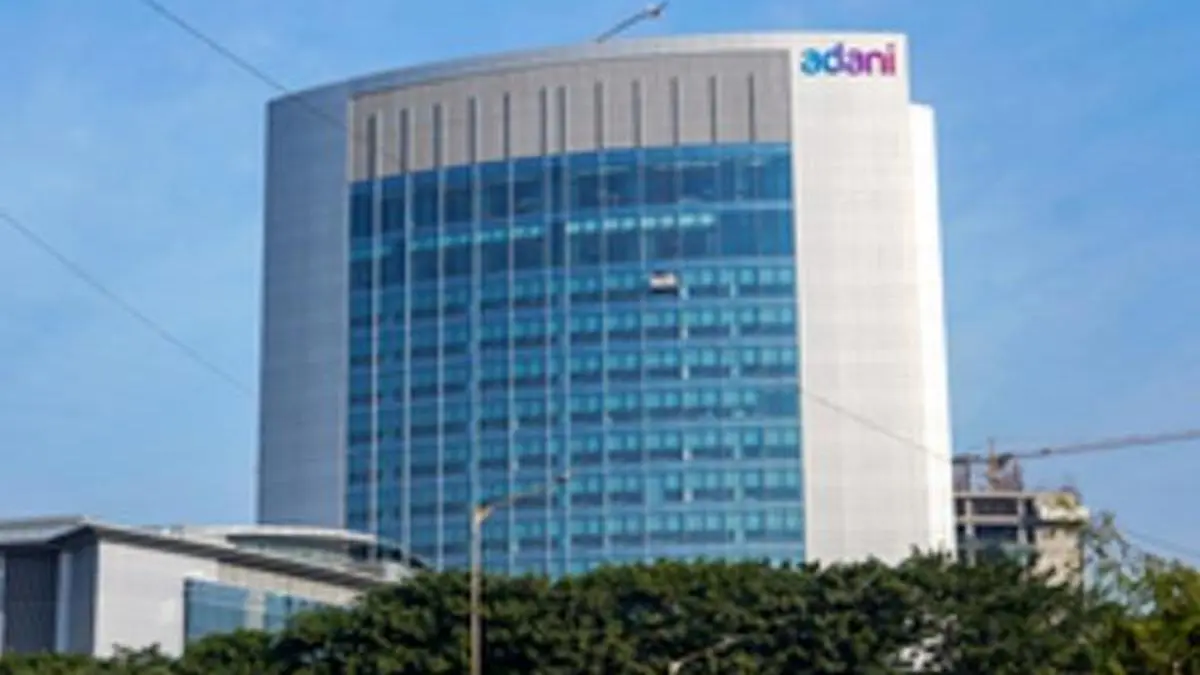
Adani Group spent ₹1.53 lakh crore in FY26, the highest by any Indian corporate, while portfolio EBITDA rose just 5.6%. New assets have yet to contribute.
Continue with
The Adani Group spent a record ₹1.53 lakh crore on capital expenditure in FY26 – the highest annual investment by any Indian corporate. Portfolio EBITDA rose to an all-time high of ₹94,834 crore, up 5.6% from ₹89,806 crore in FY25. The asset base expanded to ₹7.85 lakh crore.
The headline numbers describe aggressive expansion. A closer look at the business lines that drove – and dragged – operating profit reveals a more nuanced picture for anyone building exposure to the conglomerate.
Record Capex, Modest Earnings: The FY26 Trade-Off
The ₹1.53 lakh crore capex cycle is the largest in Indian corporate history. Nearly 80% of the spending went into core infrastructure platforms spanning energy, utilities, transport, and logistics. The group brought several strategic projects online during FY26 and in the months after:
- 5.1 GW of renewable energy capacity
- Battery energy storage systems
- Navi Mumbai International Airport
- Guwahati terminal
- Ganga Expressway
- A copper smelter
The company stated these assets are expected to contribute significantly to growth, earnings, and cash flows going forward. For the near term, however, the financial statements reflect the cost of construction more than the revenue from operations.
Three Mature Businesses Weigh on Group EBITDA
Earnings growth at the group level was tempered by declines across major operating companies. Adani Enterprises' existing businesses – excluding new infrastructure projects – saw EBITDA drop 28.6%. Adani Cement reported a decline of 12.2%, while Adani Power EBITDA fell 2.5%.
These three segments together represent the mature cash-flow generators in the portfolio. Their weakening performance explains why a ₹1.53 lakh crore capex cycle did not translate into a proportional earnings lift. The new assets are absorbing capital and have not yet reached the stage where they contribute meaningfully to the profit and loss statement.
Segment EBITDA Change in FY26
| Segment | EBITDA Change |
|---|---|
| Adani Enterprises (existing businesses) | -28.6% |
| Adani Cement | -12.2% |
| Adani Power | -2.5% |
| Transport (Adani Ports & SEZ) | +23.2% |
| Adani Green Energy | +14.6% |
| Adani Energy Solutions | +12.6% |
Transport and Green Energy Drive the Growth Side
Transport stood out with EBITDA rising 23.2% to ₹25,228 crore, driven by cargo volumes and logistics at Adani Ports & SEZ. The port business remains the fastest-growing large entity in the portfolio.
Adani Green Energy posted a 14.6% increase in EBITDA to ₹12,075 crore. Adani Energy Solutions rose 12.6%. Infrastructure businesses housed under Adani Enterprises – separate from the mature businesses – posted EBITDA growth of 13.8%.