Stocks● Neutral
Adani Total Gas fertilizer sales double as CBG ramp-up accelerates
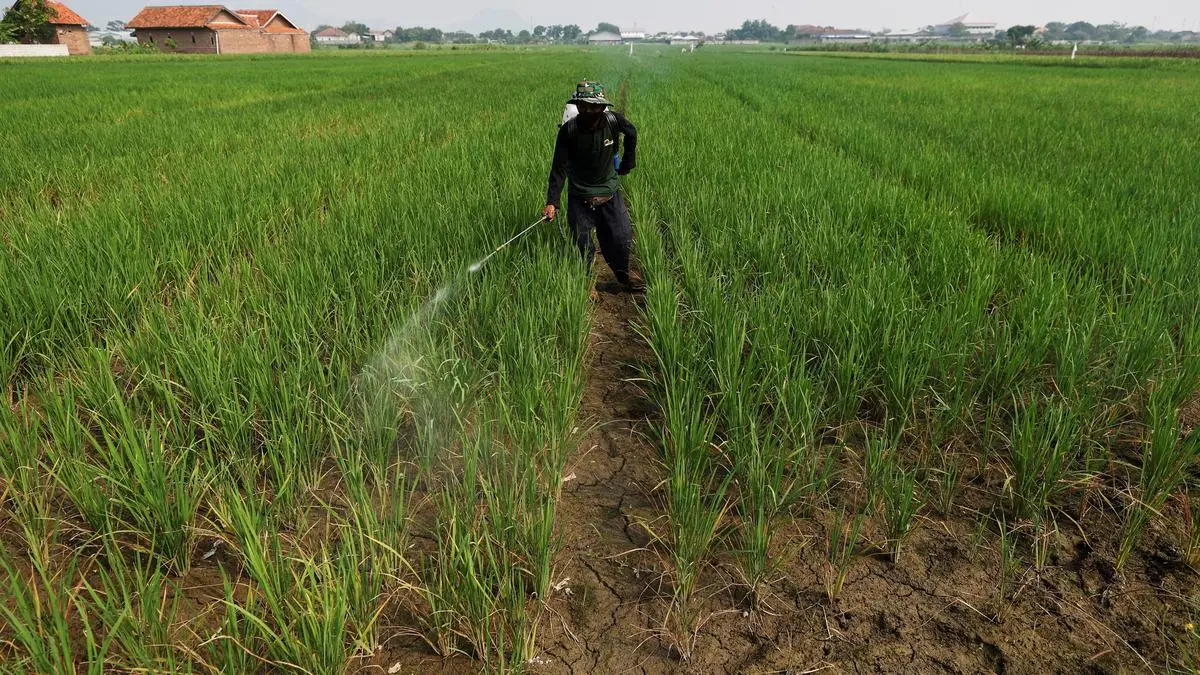
Adani TotalGas' Harit Amrit organic fertilizer sales doubled to 4,575 tonnes in FY26 as its Barsana waste-to-energy plant ramps up, signaling a new revenue stream tied to government CBG targets.
Continue with
Adani Group is pushing into organic fertilizers, a business that sits far from its ports, airports, and energy operations. The conglomerate sells the product under the Harit Amrit brand through Adani TotalEnergies Biomass Ltd (ATBL), a wholly owned subsidiary of Adani Total Gas Ltd. Sales have more than doubled in a year.
ATBL first sold Harit Amrit in FY25, moving over 2,000 tonnes of organic fertilizer. In FY26 the brand expanded to three states – Uttar Pradesh, Madhya Pradesh, and Gujarat – with sales rising to 4,575 tonnes, according to the company’s annual report. Compressed biogas (CBG) output climbed at the same time, to 1,654 tonnes from 730 tonnes.
The fertilizer is a byproduct of the company’s waste-to-energy process. Agricultural residue, cattle dung, and eventually municipal solid waste go into anaerobic digesters that produce CBG. The leftover digestate is turned into Harit Amrit. The Barsana project in Uttar Pradesh sits at the center of this model. The company describes it as India’s largest agri-waste-based CBG facility. It is designed to address stubble burning, generate renewable fuel, and create value from waste that would otherwise be discarded.