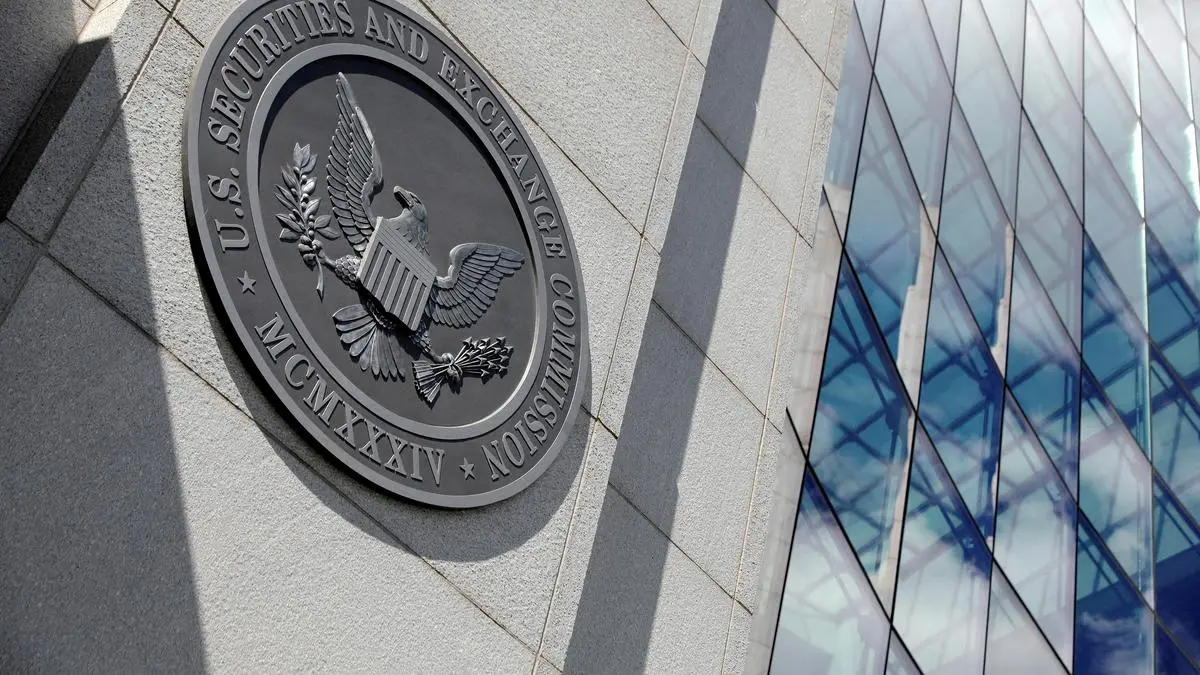
SEC Settlement: $18M Ends Bribery Allegations Without Admission
The US Securities and Exchange Commission (SEC) proposed a settlement with Gautam Adani and his nephew Sagar Adani that would resolve civil proceedings tied to an alleged $250 million bribery scheme to secure solar energy contracts in India. Under the proposed deal, Gautam Adani would pay a $6 million civil penalty, Sagar Adani $12 million, for a total of $18 million, with no admission of wrongdoing. The settlement is subject to court approval, according to court records cited by Reuters.
The market’s simple read: a legal overhang that severely dented investor confidence in Adani Group companies is about to lift. The deeper read is about how the US regulatory framework uses settlements to close civil cases without trial and clears a path for the Department of Justice (DOJ) to potentially drop its parallel criminal investigation.
The Payment Split and Case Background
The SEC had alleged that Gautam Adani, Sagar Adani, and other executives orchestrated a bribery scheme between 2020 and 2024 to win solar energy contracts. The case was linked to an Adani Green Energy bond offering. The total civil penalty of $18 million – an amount that is modest relative to the $250 million alleged scheme – signals that the SEC prioritises resolution and deterrence without extracting an admission of guilt. For the Adani Group, the payout size does not alter its financial standing; the risk has always been the reputational and legal barrier to global capital markets.
No-Fault Settlement Mechanism Under US Law
Luthra explained that the US legal framework permits regulators to resolve such matters without pursuing criminal prosecution. “If the SEC permits a settlement, the matter gets resolved on payment of penalties, as appears to have happened here. There would then be no criminal prosecution within the United States in relation to this issue,” he added.
The settlement is structured as a no-fault admission settlement – the Adani Group pays the penalty without accepting liability.
That distinction matters for the Adani Group’s ability to argue that the US findings do not establish wrongdoing. It also limits the risk of follow-on litigation and regulatory actions in other jurisdictions.
How the SEC Deal Removes Civil Exposure for Adani Group
The settlement would definitively end the SEC’s civil case. The open question is whether the Department of Justice will drop its criminal investigation. Legal experts suggest that a resolution of the civil front often leads to a winding down of the parallel criminal matter.
Parallel DOJ Case and the Prospect of a Full Resolution
The key to a full resolution is the DOJ’s next move. If the criminal case is dismissed, Adani Group faces no US legal obstacle. Even without a DOJ drop, the civil settlement removes one of the two legal fronts and reduces the group’s immediate defensive burden.
Clean Slate Implications for Global Operations
A legal vacuum in the US removes a major deterrent for international investors, who had been concerned about the pendency of proceedings. Karanjawala noted that the resolution would allow investors to evaluate the group on its business fundamentals rather than pending litigation. That shift could directly affect the cost and availability of international debt and equity financing for Adani portfolio companies.
“One of the concerns for international investors would have been the pendency of proceedings in the United States. If those proceedings are resolved, investors would evaluate the group on its business fundamentals rather than pending litigation,” Karanjawala said.
For large Indian conglomerates operating in infrastructure, energy, and ports, global financing is not optional – it is the operating bridge between domestic cash generation and capital-intensive expansion. The removal of the US legal shadow restores access to a broader pool of capital.
Investor Sentiment Shift: From Litigation Discount to Fundamental Value
Traders who have tracked Adani Group stocks since the Hindenburg Research report know that litigation risk has dominated valuation multiples. The $18 million SEC settlement is not a business event; it is a legal catalyst that alters the risk premia embedded in group debt and equity.
Foreign Capital and the Removal of a Key Obstacle
Karanjawala’s argument that investors would pivot to business fundamentals after the case is resolved is consistent with how institutional capital flows operate. Large sovereign wealth funds, global infrastructure investors, and pension funds often have governance and compliance screens that automatically exclude entities with active US legal proceedings. The end of the SEC civil case lifts those screens.
For traders sizing Adani positions, the re-rating potential is tied to how quickly the market adjusts to the new legal baseline. The settlement does not release new earnings data, however it removes a binary risk that had been priced as an unknown liability. The re-pricing could compress credit spreads on Adani Green Energy bonds, tighten the conglomerate’s implied cost of equity, and narrow the valuation gap to other Indian infrastructure plays.
The pattern mirrors risk resolution setups across markets where a legal clearing event allows fund flows to return. See our analysis of Alphabet’s two-event risk window for a similar catalyst sequence: Alphabet Debt Sale, Google I/O Set Up a Two-Event Risk Window for GOOGL.
What Court Approval and DOJ Inaction Would Lock In
The settlement still requires court approval. Until the judge signs off, the civil case remains technically unresolved. The DOJ’s criminal case also remains pending. Legal experts, however, see the SEC resolution as a strong signal that the criminal case will likely be dropped.
Timeline and Confirmation Signals
Court approval could take weeks; no specific hearing date was provided in the reports. Once the settlement is approved, the SEC case closes with the agreed penalties. The DOJ’s decision is not bound by a rigid timeline.
For a trader, the confirmation points are:
- A court order approving the settlement.
- A DOJ statement or filing indicating that the criminal investigation is closed or that no charges will be filed.
- Any subsequent Adani Group announcement of international debt issuance or equity placements, which would serve as market-based validation of the clean slate.
Residual Risks: Rejection, DOJ Pushback, or New Investigations
If the court rejects the settlement, the civil case would resume, reintroducing the litigation overhang. The DOJ might also choose to proceed with a criminal prosecution regardless of the SEC deal, which would reintroduce the worst-case tail risk: personal criminal liability and potential extradition risk for executives. A third risk is that the SEC or DOJ could expand the scope of the investigation into other transactions, though the settlement structure suggests that is unlikely in the near term.
What Would Make the Risk Worse or Weaken the Thesis
The bullish thesis rests on the settlement finalising and the DOJ dropping charges. Anything that disrupts either pillar erodes the re-rating argument. Specific scenarios that would weaken the thesis include:
- A delay or denial of the settlement by a US federal judge.
- New evidence or whistle-blower complaints that give the DOJ reason to expand the criminal probe.
- Political or diplomatic pressure that embeds the Adani case in broader US-India trade tensions.
- A new regulatory action in another jurisdiction – for instance, an investigation by authorities in a European Union country where Adani has financed infrastructure projects.
Conversely, the thesis would be strengthened by an early DOJ declination letter, explicit statements from credit rating agencies removing the litigation overhang clause, and large-scale bond or equity placements by Adani companies at improved terms.
For traders, the $18 million penalty is a rounding error. The real value is in the signal it sends about the legal environment. A no-fault settlement closes a chapter that had kept Adani stocks in a punitive risk bracket. The next chapter will be written by the DOJ and the court. For broader context on how legal resolutions interact with risk premia across equity markets, see our stock market analysis.
For those tracking Adani exposure, the immediate trading question is whether the market has fully priced the settlement’s expected completion or if a small residual discount persists until court approval and the DOJ decision. Monitoring credit spreads on Adani Green Energy bonds and the dollar-denominated bonds of other group companies will be the closest real-time gauge.