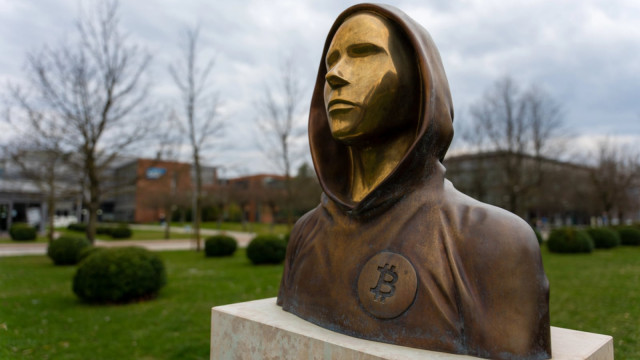
Back clarifies his Hashcash work was foundational, not synonymous with Satoshi, reinforcing the decentralized nature of BTC as a neutral global reserve asset.
Adam Back, the veteran cryptographer and CEO of Blockstream, has once again moved to distance himself from the persistent, decade-long speculation that he is the elusive creator of Bitcoin, Satoshi Nakamoto. In a recent, highly transparent discourse regarding his history in the cryptographic space, Back provided a comprehensive account of his early research, aiming to dismantle the theories that have linked him to the pseudonymous architect of the world’s largest digital asset.
Despite the recurring nature of these rumors, Back’s latest clarification is notable for its depth. Rather than a brief dismissal, he offered a roadmap of his actual contributions to the field—specifically his work on Hashcash—and how they served as foundational components for Bitcoin, rather than evidence of a singular identity. For market observers and long-term Bitcoin holders, the clarification serves as a reminder of the decentralized, collaborative nature of the protocol’s inception.
Speculation regarding the identity of Satoshi Nakamoto has long been a staple of crypto-market folklore. Because Satoshi vanished from the public eye in 2011, leaving behind a massive cache of mined BTC that remains untouched, the vacuum of information has been filled by endless theories. Adam Back has frequently been at the top of the list for armchair investigators due to his deep-seated expertise in Proof-of-Work (PoW) mechanisms and his direct citation in the original Bitcoin whitepaper.
However, Back’s refusal to lean into the narrative is consistent with the broader ethos of the Bitcoin community. By clarifying that his work on Hashcash was a precursor to—but not synonymous with—the creation of Bitcoin, Back is reinforcing the narrative that Bitcoin was the result of a long evolution of cryptographic study rather than a sudden, individual invention. This distinction is vital for institutional investors who prioritize the 'immaculate conception' narrative of Bitcoin, which posits that the asset was born of a community effort rather than a centralized entity.
For the professional trading community, the 'Satoshi' question is more than just a historical curiosity. Should the identity of Satoshi ever be definitively proven—or should the long-dormant 'Satoshi wallets' ever show signs of activity—the market impact would likely be seismic. The potential for the massive BTC holdings associated with the creator to hit the open market represents a 'black swan' risk that many institutional risk managers monitor closely.
By consistently refuting these claims, Back helps maintain the stability of the narrative surrounding Bitcoin’s supply. Traders often view the mystery of Satoshi not as a liability, but as a feature; a creator who cannot be coerced, taxed, or influenced by external governments adds to the asset’s perception as a truly neutral, global reserve asset. Back’s transparency serves to protect this narrative, ensuring that the focus remains on the protocol’s utility rather than the character of its progenitor.
While the identity of Satoshi Nakamoto remains the industry’s greatest unsolved mystery, the focus of the market has shifted toward the technical evolution of the network, such as Layer-2 scaling solutions and the integration of smart contract functionality. Adam Back’s role at Blockstream continues to be a focal point for institutional development within the Bitcoin ecosystem. Investors should watch for further developments in sidechain technology and institutional adoption, as these factors carry significantly more weight for price discovery than the ongoing—and largely speculative—debates regarding the personal history of early cryptocurrency pioneers.
Prepared with AlphaScala research tooling and grounded in primary market data: live prices, fundamentals, SEC filings, hedge-fund holdings, and insider activity. Each story is checked against AlphaScala publishing rules before release. Educational coverage, not personalized advice.