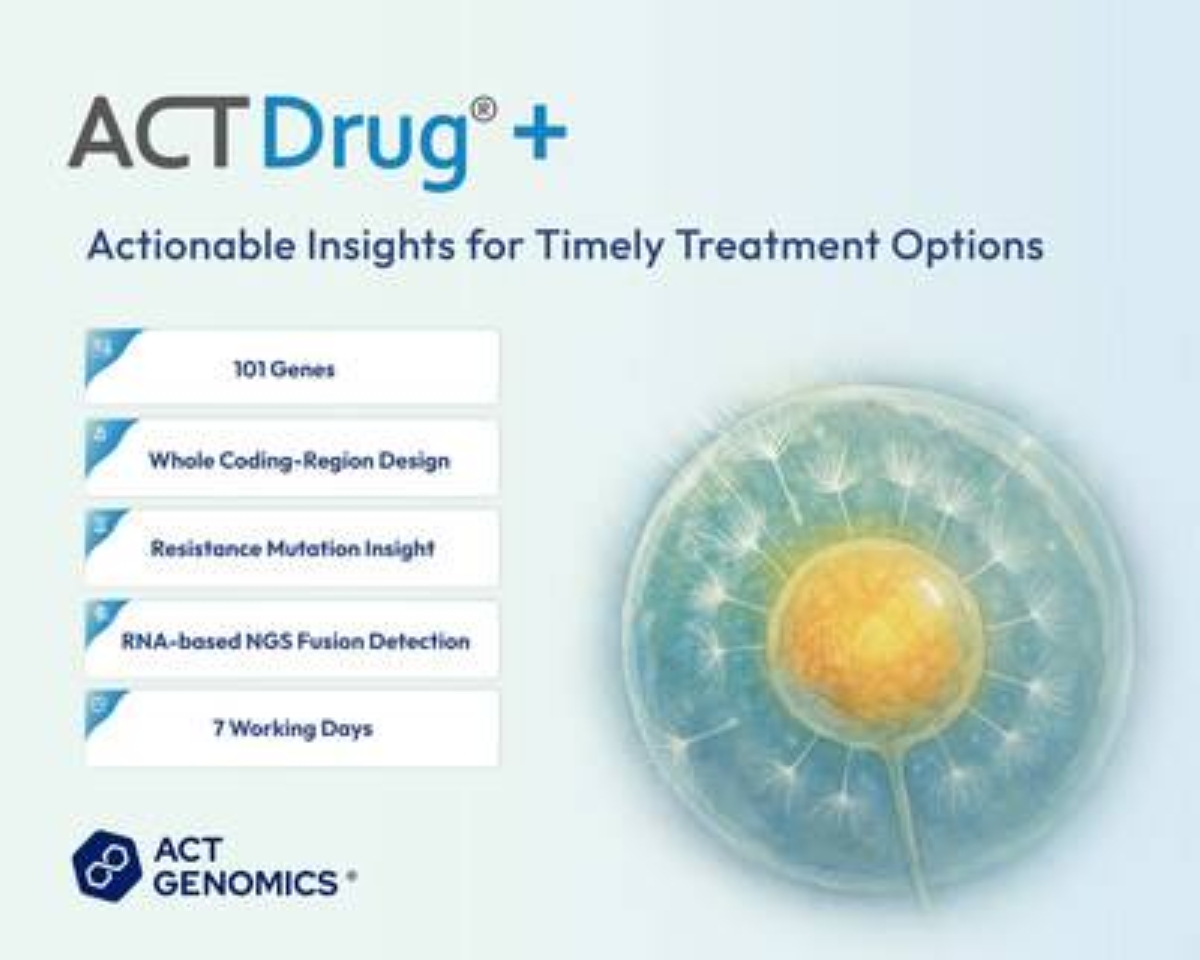
ACT Genomics has expanded its diagnostic footprint by upgrading its ACTDrug series to a 101-gene panel. This shift in service capability aims to consolidate genomic profiling for patients facing advanced or metastatic cancer diagnoses. By increasing the gene count while simultaneously compressing the reporting window to seven working days, the company is positioning its offering to compete more aggressively in the time-sensitive oncology diagnostic market.
Clinical Throughput and Diagnostic Velocity
The transition to a 101-gene panel represents a move toward broader clinical utility for the ACTDrug platform. Genomic profiling in oncology relies on the ability to capture actionable mutations that dictate therapy selection. By expanding the scope of the panel, the company provides physicians with a wider data set to identify potential treatment pathways for complex cancer cases. The seven-day turnaround time serves as a critical operational metric, as the speed of diagnostic reporting directly influences the window for initiating targeted therapies in metastatic settings.
This development highlights the ongoing trend of increasing diagnostic density within the healthcare sector. Companies like Agilent Technologies, which maintains a presence in the diagnostic and life sciences space, often navigate similar pressures to balance panel depth with laboratory efficiency. For more on sector trends, see our A stock page.
Sector Integration and Competitive Positioning
The diagnostic landscape is increasingly defined by the speed and accuracy of NGS services. As clinical standards shift toward personalized medicine, the ability to deliver comprehensive reports within a single work week becomes a competitive advantage. This upgrade suggests that ACT Genomics is prioritizing operational throughput to capture market share among providers who require rapid decision support for newly diagnosed patients.
In the broader technology and healthcare ecosystem, firms are continuously refining their data processing capabilities to support complex clinical workflows. While ServiceNow Inc. focuses on digital workflow automation, the operational logic remains similar to the diagnostic sector where time-to-insight is the primary value driver. See our NOW stock page for further analysis on how enterprise software supports these complex operational environments.
Next Steps for Diagnostic Adoption
The success of this 101-gene panel will depend on its integration into standard clinical practice and its ability to maintain the seven-day turnaround under high-volume conditions. Future markers for this service include the adoption rate among oncology centers and the potential for regulatory or insurance-based validation of the expanded panel. Monitoring the consistency of these turnaround times will be the next step in determining the long-term impact of this service upgrade on the company's market position. As the industry continues its stock market analysis, the focus will remain on whether these technical upgrades lead to sustained clinical adoption and improved patient outcomes.