Stocks● Neutral
Acheson’s Negotiation Rule: A Lesson for Today’s Market Risks
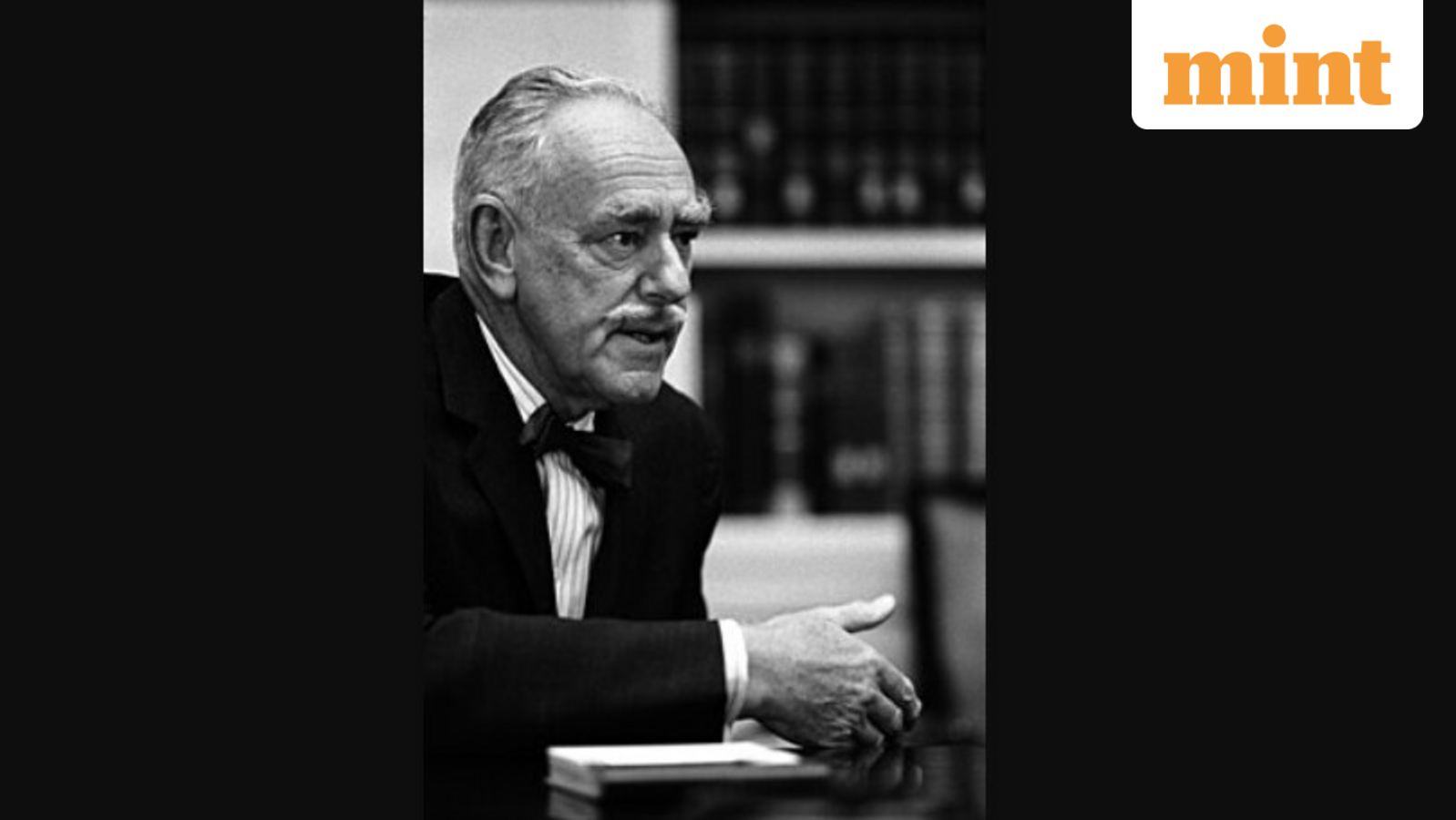
Dean Acheson’s classic view that negotiation requires parties willing to settle applies to today's US-China trade impasse. Until that condition is met, market risk remains elevated.
Continue with
Dean Acheson, the U.S. Secretary of State who helped build NATO and the containment doctrine, once said negotiation in the classic diplomatic sense requires parties willing to reach an outcome. The full quote from his biography underscores a principle that applies directly to current market standoffs – from tariff talks to debt-ceiling debates.
Acheson’s view was that successful talks depend on a shared willingness to find common ground. Without that, negotiations become deadlock or political spectacle. That framework fits the present US-China trade impasse, where both sides have shown little appetite for compromise. The result is prolonged uncertainty, which tends to hit equities and supply-chain-sensitive sectors hardest.