Aadhaar app hits 40M downloads; UIDAI extends free update window
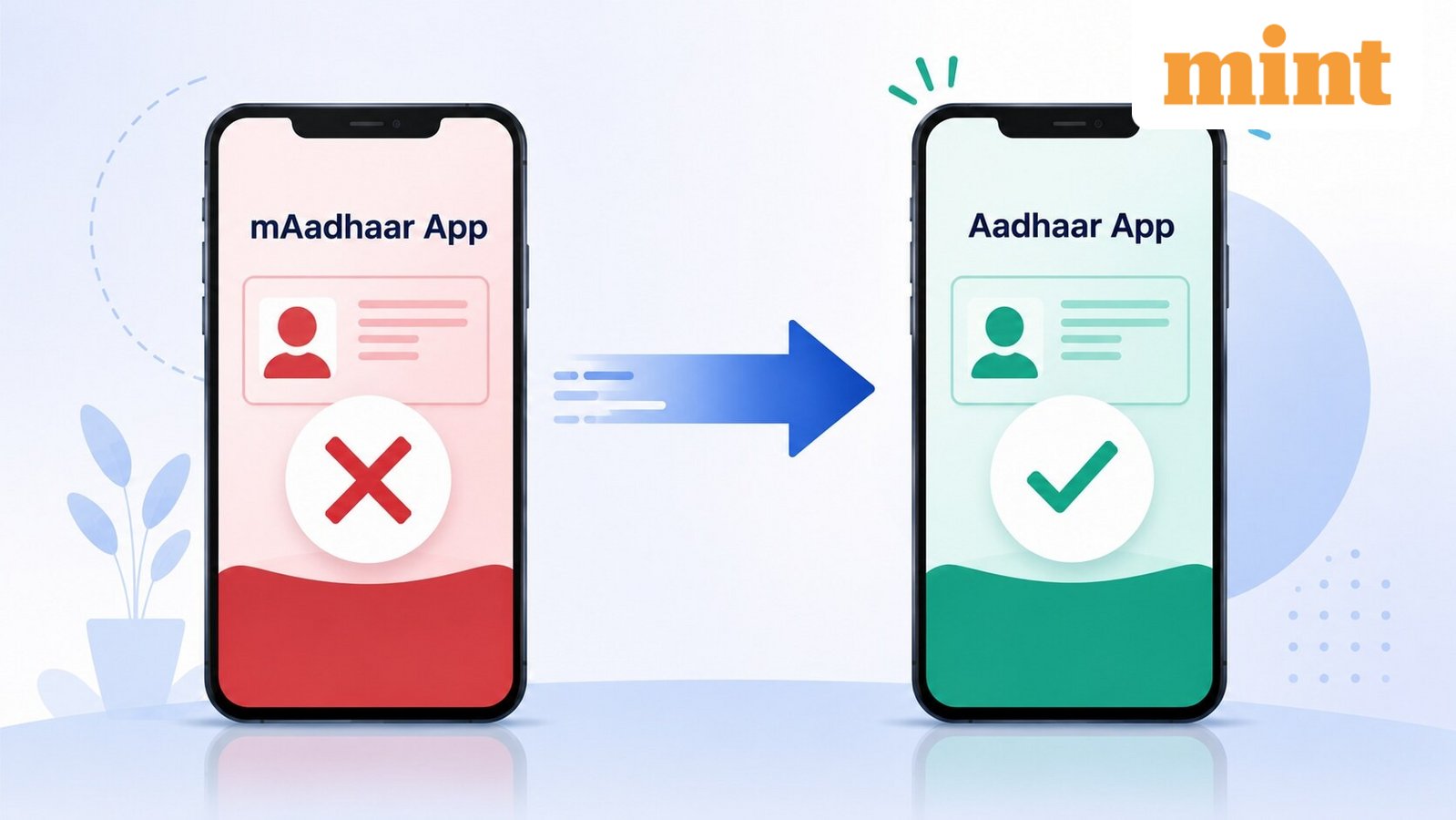
India's new Aadhaar app crossed 40 million downloads since January. UIDAI extended free document updates through June 2027. The platform shifts from photocopy sharing to digital verification.
Alpha Score of 43 reflects weak overall profile with moderate momentum, weak value, weak quality. Based on 3 of 4 signals — score is capped at 90 until remaining data ingests.
The Ministry of Electronics and Information Technology said Saturday that the new Aadhaar App has crossed 40 million downloads since its launch in January. The platform lets residents manage Aadhaar services directly from their phones, replacing the older mAadhaar app.
Users have updated nearly 4.9 million mobile numbers, 1.17 million addresses and 1.25 million email addresses through the application, the government said. The biometric lock and unlock feature has been used more than 19.1 million times.
The app, introduced on Jan. 28, 2026, was designed as a next-generation identity verification tool that reduces reliance on physical photocopies. The Unique Identification Authority of India has been pushing users to switch to the new version, available on both Android and iOS.
Separately, UIDAI extended its free online Aadhaar document update service by a year. The facility now runs until June 14, 2027, rather than ending on June 15, 2026, according to an official memorandum.
How updates work
Mobile number updates depend on the user's situation. If the existing number is already linked to Aadhaar and accessible, it can be changed through the app, UIDAI's FAQ section says. Users who lost access to their registered number or never registered one must visit an Aadhaar Seva Kendra or authorised centre.
Address updates are available through the app. UIDAI also allows eligible users to update their addresses via the Head of Family method, where a family member whose Aadhaar contains the correct address can approve the request through the app.
The email update feature became available on July 1, 2026. The government waived the 75 rupee fee for email updates made through the app until Dec. 31, 2026.
Privacy shift
The most significant change in the new app is the move from document sharing to digital verification. Aadhaar holders have long been asked to submit photocopies for hotel check-ins, SIM card verification and rental agreements. That practice often meant sharing more personal information than necessary and leaving copies with multiple organisations. The new app seeks to cut that dependence through privacy-first features, including biometric lock and unlock and QR-based verification instead of document submission.
Drafted by a large language model from the source reporting linked above, then screened by automated publishing checks. It is not read by a journalist before publication. Some articles cite our Alpha Score. Verify prices and figures against the original source. Educational coverage, not personalized advice.