Stocks● Neutral
93-Year-Old Apollo Founder Still Building as Hospital Empire Tops $13B
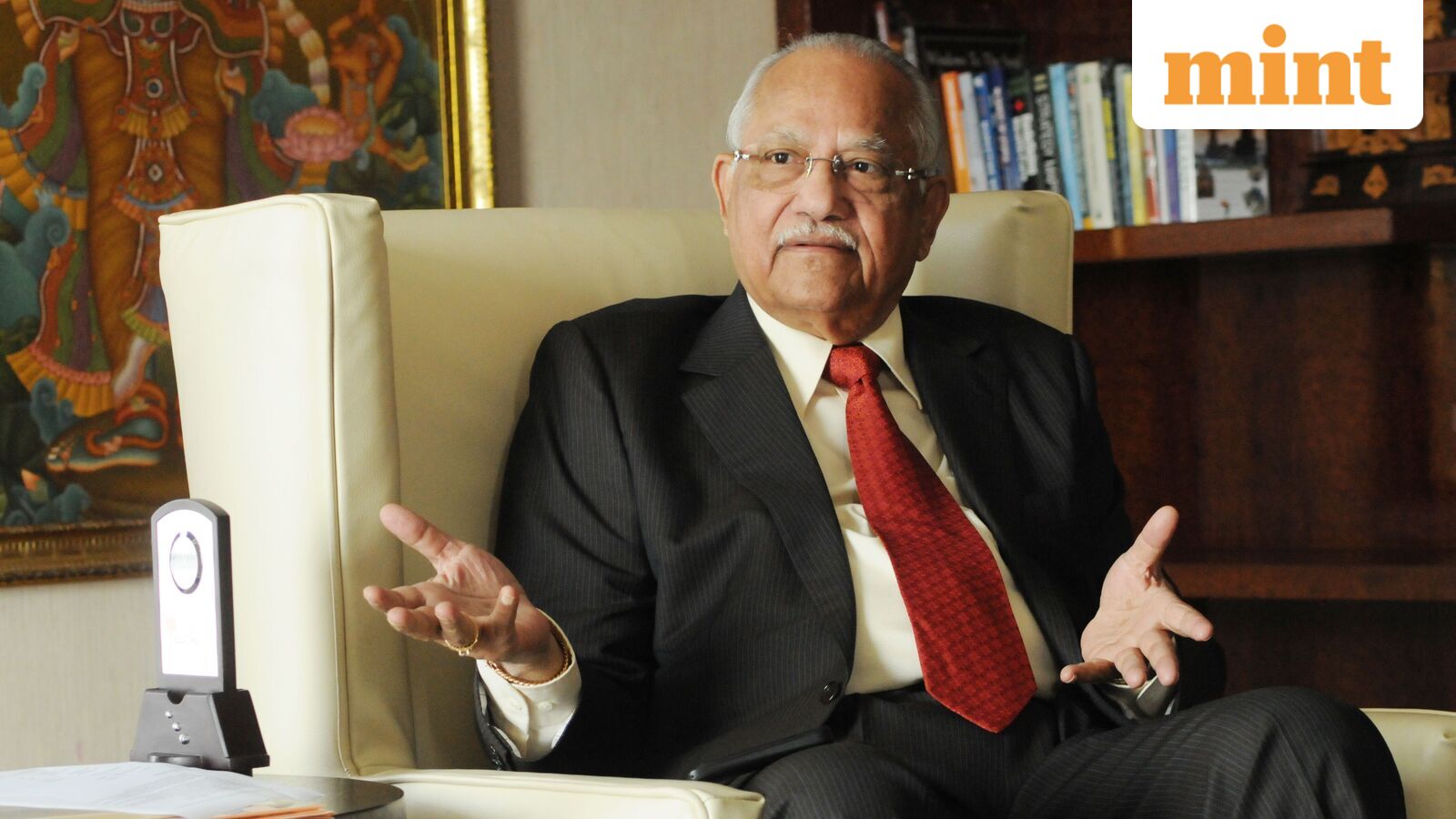
Apollo Hospitals founder Dr. Prathap Reddy, 93, built a $13B healthcare empire from a single 150-bed Chennai hospital. India's hospital bed shortage remains acute at 1.3 per 1,000.
Continue with
Dr. Prathap Chandra Reddy is 93 years old. He still goes to work. The cardiologist who returned from the US at 50 to open India's first corporate hospital now runs an empire of more than 70 hospitals with a market value above $13 billion. Apollo Hospitals ranks among the five most valuable hospital operators globally.
Reddy's origin story has the shape of legend. Trained in Britain, he built a thriving US practice. His father asked him to come home. He sold everything and moved back to India in the early 1980s, an era when private hospitals were barely a financeable category. Bankers had no lending template for them. Bureaucrats saw little reason to facilitate a private institution providing tertiary care.
Reddy lobbied politicians, fought bureaucrats and persuaded sceptical financiers. Apollo's first 150-bed hospital opened in Chennai in 1983.
The scale that followed is hard to overstate. Apollo now has more than 10,000 beds. The wider Indian hospital market has grown from a fragmented, government-dominated system into a roughly $190 billion industry, driven overwhelmingly by the private sector. That shift was unimaginable when Apollo started.
Reddy understood early that a hospital could not be an isolated business. Apollo moved backwards into medical and nursing education. It moved forwards into pharmacies, diagnostics, clinics, insurance, home healthcare and digital medicine. That vertical integration has become one of its principal growth engines.
The competition is now formidable. Manipal, Fortis, Max, Narayana Health, Aster and a growing collection of regional chains have turned corporate healthcare into one of India's most aggressively expanding industries. Apollo is no longer the only template. But it was the template that established the idea that a hospital could be a professionally managed business with potentially healthy returns even as it did a world of good for people.