Security guard turnover hit 89% in 2024. Asylon charges $120k-$170k for robot patrols, less than a $250k human shift. Lopezlira says the human role shifts to higher-stakes work.
Security guard turnover hit 89% in 2024, a UC Berkeley Labor Center report found. The industry expects 160,000 openings each year through 2034, almost all of them to replace departing workers. Overall employment in the field is projected to stay flat.
Enrique Lopezlira, director of the Labor Center's Low-Wage Work program and coauthor of the report, called it a retention crisis. The median guard earns $18.70 an hour. Nearly 43% lack employer-sponsored health coverage. Guards die on the job at more than twice the rate of all workers, with nearly two-thirds of fatal injuries from assaults and other violent acts.
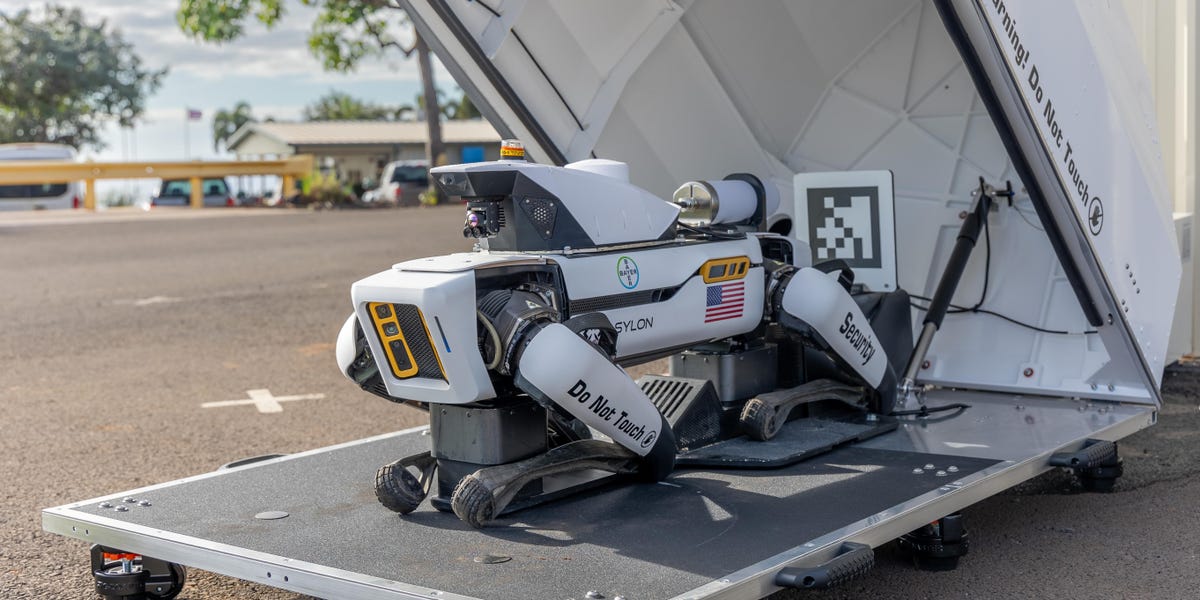
The turnover math is pushing some companies toward automation. Damon Henry, CEO of robotics security firm Asylon Robotics, said his company charges about $120,000 to $170,000 a year for a patrol service that includes drones, robot dogs, maintenance, and remote operators. He put the national average for a fully loaded 24/7 guard shift at about $250,000. "You get good ROI," he said.
Asylon's robots make scheduled rounds and stream video to a remote operations center. A human operator checks alerts and decides whether to send on-site guards. Henry said one remote operator supervises six to eight robots across multiple sites. At Mercedes-Benz Stadium in Atlanta, an Asylon robot dog named Benzie patrols the exterior of the 2 million-square-foot venue. Henry said theft and vandalism dropped to zero within the first two months of deployment and has stayed there. Guards now stay indoors until a physical response is needed. A spokesperson for Mercedes-Benz Stadium did not respond to a request for comment.
Lopezlira said technology and robots can shift the risk, not just the tasks. Removing a person from an isolated overnight patrol could reduce their exposure to violence. "The realistic near-term effect is not that guards are replaced," he said. "The human role is going to be pushed toward those hardest, higher-stakes parts of the work."
The robots are not yet a complete replacement. Henry estimated Asylon's bots can autonomously handle about 90% of a typical patrol. Remote operators step in for crosswalks, doorways, and other complex areas. Every threat is verified by a person. "It's like self-driving cars," Henry said. "They're getting pretty good, they're not quite there." Other robots have run into harder problems. San Antonio International Airport ended a trial of Knightscope's 420-pound roving security robot after about a month. Airport employees found it struggled to move through crowds and focus its camera on badges, the San Antonio Express-News reported. William Santana Li, CEO of Knightscope, declined to comment on San Antonio's operations. He said the company's robots have operated autonomously for over 4.4 million hours across 434 clients.
Henry said customers want to stay ahead of the curve by implementing automation and physical AI into their infrastructure. Henry said customers want to reduce "blackout periods," gaps in coverage that employers cannot staff. "Training them and staffing them is super inconsistent, and it's a big burden on the business," he said. Asylon has about 25 customers with roughly 50 robot deployments. Some clients have deployed the robots to leave a vacant guard post unfilled.
Lopezlira said the shift toward automation makes better training and working conditions more urgent. Human guards de-escalate conflicts and respond to people in mental-health crises, which require situational judgment. Lopezlira said that if the human role is pushed toward those hardest parts, the training for those moments has to improve.
The shift toward automation in security follows a broader trend in enterprise AI, where companies deploy technology for routine tasks while humans manage exceptions.
Drafted by a large language model from the source reporting linked above, then screened by automated publishing checks. It is not read by a journalist before publication. Some articles cite our Alpha Score. Verify prices and figures against the original source. Educational coverage, not personalized advice.