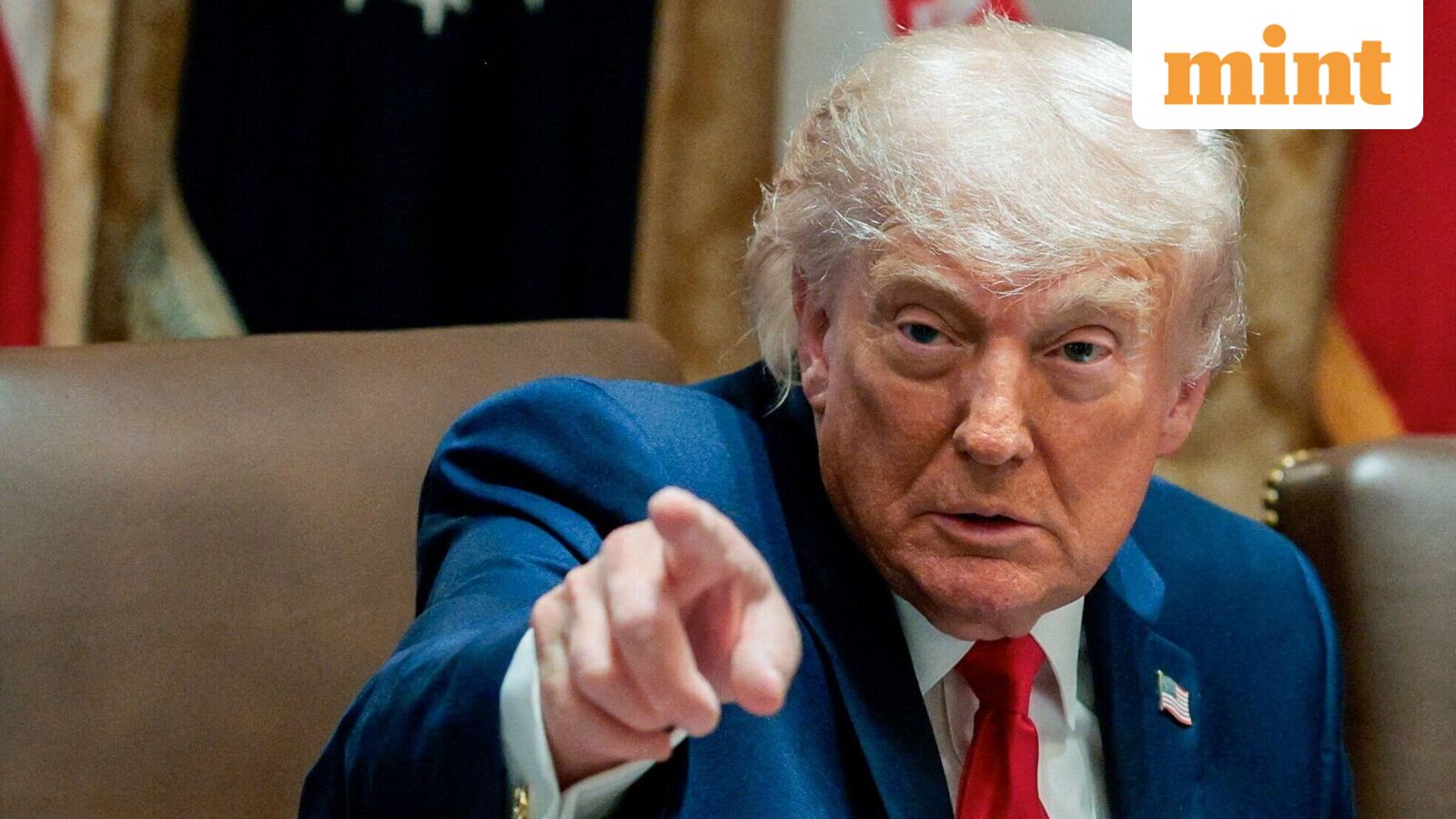
A new AP-NORC poll finds 65% of Americans disapprove of Trump's handling of Iran, even after he pursued a diplomatic deal. The partisan split on the issue remains wide.
A new survey shows that most Americans continue to disapprove of President Donald Trump’s handling of Iran, even after he shifted course and pursued a diplomatic agreement with Tehran. The AP-NORC poll found 65% of US adults disapprove of the president’s approach, a figure that underscores the deep skepticism surrounding the administration’s management of the conflict.
Public opinion remains sharply divided along party lines. Democrats and independent voters overwhelmingly disapprove of Trump’s actions. Among Republicans, only 28% expressed dissatisfaction with his handling of Iran, a sign of the partisan gap that has defined views on the issue.
Trump’s overall job approval rating stands at 37%, unchanged from an AP-NORC poll conducted in May. The findings suggest that recent developments in Iran have done little to shift broader perceptions of the president’s performance.
The poll was conducted between June 11 and June 17, a period when Trump moved away from threats of military escalation and instead pursued renewed negotiations. During that window, Trump announced a framework agreement with Tehran and authorized the end of a US naval blockade in the Strait of Hormuz. The poll wrapped up shortly before the agreement was formally signed.
That agreement includes several measures. Iran is allowed to resume unrestricted oil exports. The Strait of Hormuz will remain open without tolls for two months. Nuclear negotiations between Washington and Tehran will restart. Iran has also agreed to dilute its stockpile of highly enriched uranium. Supporters view the deal as a step toward reducing tensions, while critics argue it grants Iran immediate economic benefits without securing enough concessions.
Although Republicans generally back Trump’s handling of Iran, some have expressed reservations about the agreement itself. Critics within the party object to provisions allowing Iran to freely sell oil and question whether the deal sufficiently limits Tehran’s activities.
The survey indicates that many Americans believe US military involvement in the conflict exceeded acceptable limits. About 53% of adults said American military action against Iran had “gone too far,” only slightly lower than the 59% who held that view in March. That finding signals a strong public desire to avoid further escalation.
Republicans were more supportive of military measures. Roughly 40% said US action had been “about right,” while 37% believed it had not gone far enough. Those numbers reflect continued support among many Republican voters for a more assertive stance toward Iran.
Trump’s handling of Israel also receives limited public support. Only 34% of Americans approve of his approach to Israel-related issues. The poll comes amid rising tensions between Trump and Israeli Prime Minister Benjamin Netanyahu. The disagreement centers on recent Israeli military actions in Lebanon, which Trump has criticized for potentially undermining diplomatic efforts with Iran.
The survey found little improvement in public perceptions of Trump’s economic management. About one-third of Americans approve of his handling of the economy, a figure that remains largely unchanged from last month. Economic concerns continue to represent a challenge for the president despite his longstanding emphasis on business and economic leadership.
While Republicans remain more supportive than the general public, some cracks are emerging within Trump’s base. About 69% of Republicans approve of his handling of the economy, compared with 78% who approve of his overall performance. That gap suggests economic issues may be generating greater concern among Republican voters than other aspects of his presidency.
Prepared with AlphaScala research tooling and grounded in primary market data: live prices, fundamentals, SEC filings, hedge-fund holdings, and insider activity. Each story is checked against AlphaScala publishing rules before release. Educational coverage, not personalized advice.