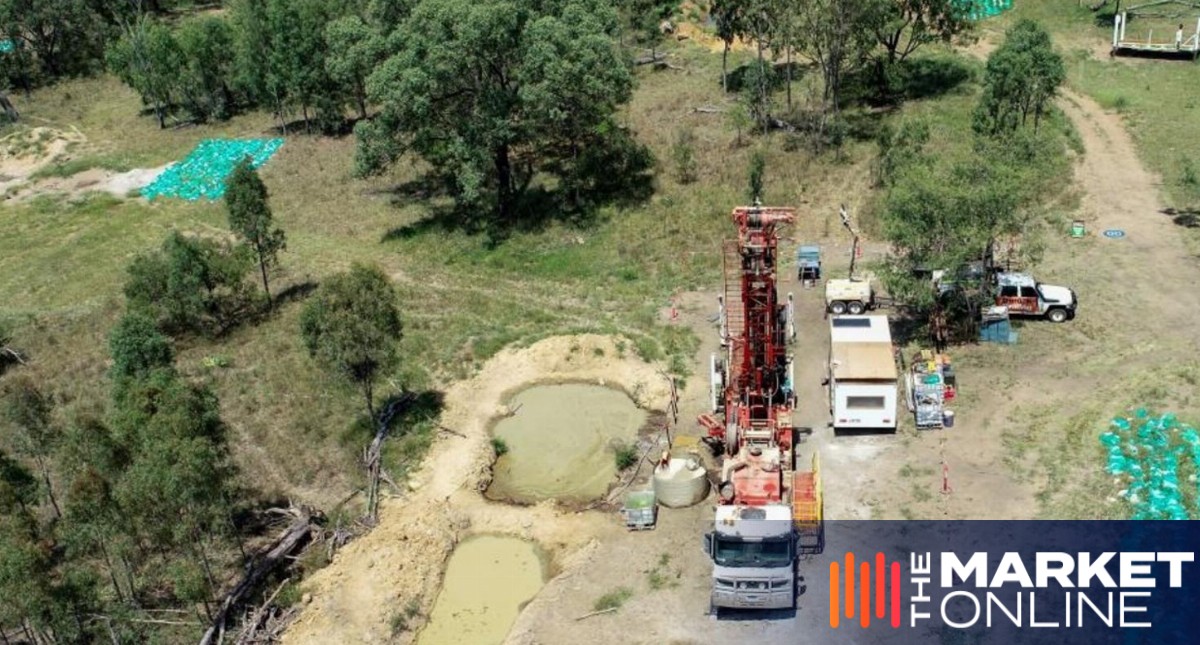
A Significant Breakthrough in Deep-Target Exploration
Zenith Minerals has officially confirmed a material extension of its intrusive-related gold (IRG) system at the Red Mountain project in Queensland. Recent drilling operations have successfully intersected mineralisation at depths exceeding 700 metres, a development that management suggests is merely the beginning of the project’s full geological potential. For investors closely tracking the mid-cap exploration space, this update serves as a critical proof-of-concept for the asset's vertical continuity.
Historically, the Red Mountain project has been a focal point for Zenith’s exploration strategy, but the latest data points provide a much-needed catalyst for valuation. By confirming that the hydrothermal system persists well beyond previous projections, the company has effectively widened the scope of the project’s potential resource inventory. As the drill bits push deeper, the geological signatures remain consistent with high-grade target models, reinforcing the company's bullish outlook.
The “Best Parts Are Still Ahead” – Management’s Strategic Outlook
Following the successful 700-metre milestone, Zenith Minerals’ leadership has adopted a distinctly optimistic tone regarding the project’s future. In a statement addressing the recent technical results, the company noted that the “best parts are still ahead,” suggesting that the current findings are likely the peripheral zones of a much larger, more robust mineralised core.
For the market, this sentiment is vital. It shifts the narrative from ‘exploration risk’ to ‘growth potential.’ When an exploration firm identifies that a target system remains open at depth, it implies that the total tonnage of gold could be significantly higher than initial models suggested. The persistence of gold mineralisation at depth often indicates a stronger, more concentrated source of hydrothermal fluids, which is exactly what geologists look for when targeting multi-million-ounce deposits.
Market Implications: Why Depth Matters
For traders and institutional investors, the depth of a mineralised system is a primary indicator of project longevity and economic viability. Shallow deposits are often easier to mine, but deep-seated, persistent systems—like the one observed at Red Mountain—suggest a long-life asset that could support large-scale underground mining operations in the future.
This development comes at a time when juniors and mid-cap miners are under pressure to demonstrate tangible asset growth in a volatile commodities market. By extending the Red Mountain system to 700m, Zenith Minerals has effectively de-risked the geological model. Investors should now look for follow-up announcements detailing assay results from these deeper intercepts. If the grade remains consistent with the upper levels of the system, the project’s net present value (NPV) could see a substantial upward revision.
What to Watch Next: The Path to Resource Definition
While the 700m depth is a technical victory, the next phase of the project will be the most critical for shareholders. Market participants should monitor for two key developments:
- Assay Reporting: The release of granular data from the latest deep-core samples will be the primary driver for short-term price action. Investors will be scrutinising these numbers for signs of grade continuity.
- Drill Program Expansion: Given the management’s assertion that the best is yet to come, we expect to see an expanded drilling budget or a shift in focus toward even deeper targets to test the limits of the system.
As Zenith continues its aggressive exploration campaign, the Red Mountain project is positioning itself as a key asset to watch in the Queensland gold corridor. For now, the successful extension of the IRG system provides a clear signal of intent and technical competence, setting the stage for what could be a transformative period for the company’s valuation.