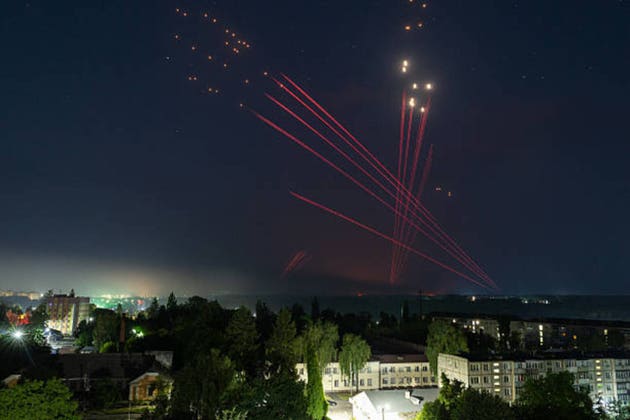
Ukrainian President Volodymyr Zelenskiy has called for the development of an independent European anti-ballistic missile defense system within a one-year timeframe. This proposal emerges as existing inventories of Patriot air defense systems face significant supply constraints across the continent. The shift in rhetoric signals a potential pivot in regional security strategy, moving away from reliance on external stockpiles toward localized, integrated manufacturing and deployment capabilities.
Strategic Shift in European Air Defense
The push for a sovereign European shield addresses the current vulnerability created by the depletion of high-end interceptor supplies. By setting a one-year target, the proposal forces a re-evaluation of how European defense contractors prioritize production capacity. If European nations commit to this timeline, the focus will likely shift toward scaling domestic production of interceptor missiles and radar infrastructure. This move would fundamentally alter the procurement landscape for defense firms currently operating within the European theater.
For investors monitoring the stock market analysis, the development highlights a transition from reactive procurement to long-term infrastructure investment. The reliance on existing global supply chains for advanced air defense has proven insufficient to meet current regional demand. A dedicated European system would require sustained capital expenditure and a coordinated industrial policy that transcends individual national budgets.
Industrial and Sectoral Read-Through
The proposal creates a clear distinction between short-term maintenance of existing systems and the long-term construction of a new, unified architecture. Defense contractors capable of integrating cross-border manufacturing will likely see increased scrutiny regarding their ability to scale production within the proposed twelve-month window. This creates a bottleneck where only firms with established European footprints and existing government partnerships can realistically participate in the initial phase of such a project.
AlphaScala data currently tracks various sectors for volatility and growth potential. For instance, AS stock page shows a mixed Alpha Score of 47/100, reflecting the broader uncertainty in consumer-facing sectors, while A stock page holds a moderate score of 55/100 in the healthcare space. These scores underscore the importance of sector-specific fundamentals when evaluating how geopolitical shifts impact broader market sentiment.
The Path to Implementation
The next concrete marker for this initiative will be the formal response from the European Council regarding funding mechanisms and industrial cooperation agreements. Any movement toward a unified defense procurement fund would serve as the primary catalyst for defense stocks exposed to the European market. Investors should monitor upcoming defense summit agendas for specific mentions of anti-ballistic missile integration, as these will indicate whether the proposal is moving toward a policy framework or remaining a diplomatic objective. The timeline for the next defense budget cycle will be the ultimate test of whether this initiative gains the necessary fiscal backing to move from concept to industrial reality.