A Strategic Shift in Zambia’s Energy Landscape
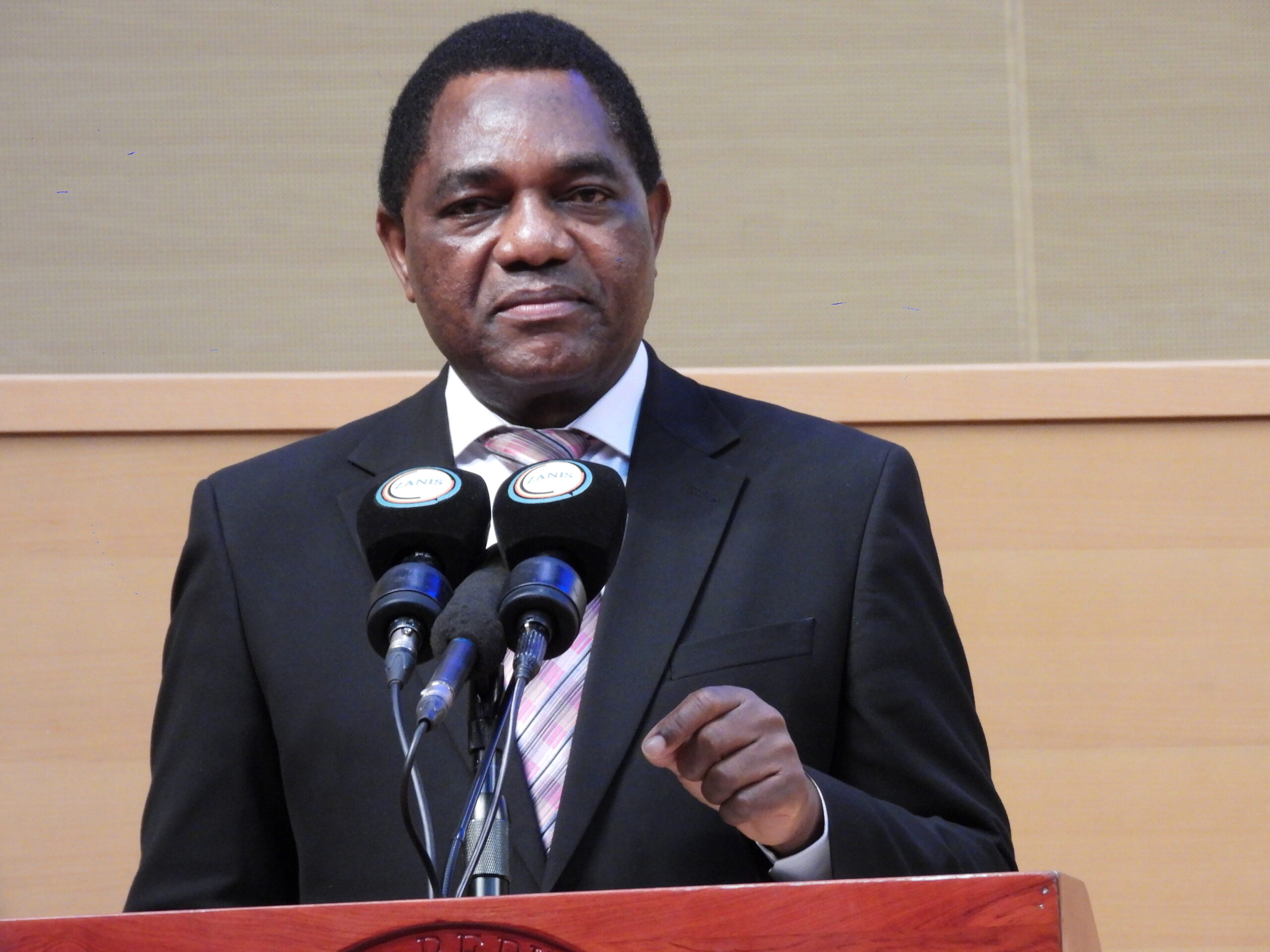
Zambian President Hakainde Hichilema has moved to reassure investors and the public alike, asserting that the government has successfully mobilized a pipeline of diverse power generation projects aimed at ending the nation's debilitating electricity shortages. Speaking at a ceremony where he was conferred with an honorary Doctorate of Philosophy, Hichilema emphasized that the administration is no longer relying on a singular source of energy, pivoting instead toward a decentralized and robust generation model.
For years, Zambia’s energy sector has been synonymous with vulnerability, largely due to an over-reliance on hydropower. This dependency has left the national grid exposed to the whims of climate change, with recurring droughts frequently forcing the state-owned utility, ZESCO, to implement aggressive load-shedding schedules that stifle industrial output and household productivity.
Diversification as a Hedge Against Volatility
President Hichilema highlighted that the government has secured "numerous generators of power" to mitigate these systemic risks. By broadening the energy mix, the administration aims to insulate the copper-rich nation’s economy from the catastrophic impact of low water levels in the Kariba Dam and other major reservoirs.
"We have numerous generators of power to address power shortages," Hichilema noted during his address, signaling a shift in policy that prioritizes long-term energy security over short-term fixes. This development is critical for Zambia’s mining sector—the country’s primary economic engine—which requires a reliable and consistent baseload of electricity to maintain operations.
Market Implications: Stability for the Mining and Industrial Sectors
For traders and macro-observers, the stability of Zambia’s power grid is a leading indicator for the country’s GDP growth and its ability to meet international copper production targets. When energy supply is compromised, the cost of production for mining firms spikes, often leading to reduced output and a subsequent impact on the Kwacha’s performance in foreign exchange markets.
Reliable power is the cornerstone of the government’s ambition to scale up mining production. By addressing the generation gap, the administration is effectively lowering the barrier to entry for foreign direct investment (FDI) in the manufacturing and processing sectors. Investors should monitor the progress of these specific power projects as key benchmarks for Zambia’s economic turnaround strategy.
What to Watch Next: Implementation and Grid Resilience
While the President’s commitment is clear, the market will now turn its attention to the execution phase. The focus for analysts will be on the timeline for these projects to come online and the degree to which they integrate with the existing transmission infrastructure.
Future updates from the Ministry of Energy regarding the procurement of these generation assets and potential private-public partnerships (PPPs) will be essential. If the government can demonstrate a sustained improvement in grid reliability, it would likely serve as a significant tailwind for the Zambian economy, reducing the fiscal burden on the state and boosting investor confidence in the country’s industrial capacity.