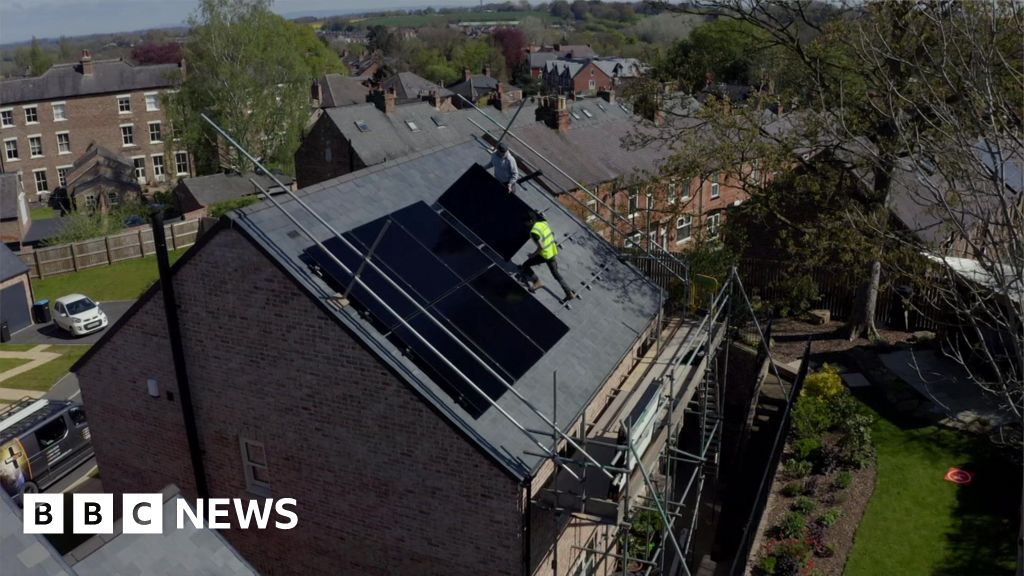
The regional energy market in Yorkshire is experiencing a rapid shift in consumer behavior as rising crude oil prices drive homeowners toward solar panel installations. Installers in the region report a tenfold increase in inquiries, a trend directly linked to the heightened geopolitical instability surrounding the Iran conflict. As energy security concerns move from national policy discussions to household balance sheets, the immediate reaction has been a surge in demand for decentralized power generation.
Geopolitical Drivers of Localized Energy Shifts
Energy markets often experience a lag between global supply shocks and retail adoption, but the current environment in Yorkshire shows an accelerated timeline. The volatility in global oil markets, often exacerbated by tensions in critical shipping lanes like the Strait of Hormuz, directly impacts the cost of heating and electricity generation for residential consumers. When global crude prices rise, the resulting inflationary pressure on utility bills serves as a catalyst for homeowners to seek insulation from future price spikes.
This shift is not merely a reaction to current pricing but a strategic move toward long-term energy independence. By installing solar capacity, households are effectively hedging against the unpredictability of imported fuel costs. The tenfold increase in interest reflects a broader trend where residential consumers prioritize capital expenditure on home infrastructure to mitigate the risks associated with Crude Markets React to Heightened Strait of Hormuz Geopolitical Risk.
Operational Constraints and Installation Logistics
As demand spikes, the local solar installation sector faces significant logistical challenges. The sudden influx of interest requires homeowners to navigate a more complex procurement process to ensure project viability. The current market environment for residential solar in Yorkshire is characterized by:
- Increased lead times for site assessments and equipment procurement.
- A higher volume of competitive bidding as homeowners seek to lock in installation windows.
- A shift in consumer focus toward multi-quote comparisons to manage project costs.
Homeowners are increasingly advised to solicit multiple quotes to verify the technical feasibility and financial return of their specific property. This vetting process is essential as the surge in demand can lead to variations in service quality and equipment availability. The ability of local installers to scale their operations to meet this demand will be the primary factor in determining how quickly this residential solar capacity comes online.
Market Context and Consumer Cyclical Exposure
While this trend is localized to the residential energy sector, it highlights the broader sensitivity of consumer spending to energy-related inflationary pressures. Companies operating within the consumer cyclical space often see their demand profiles shift when household budgets are squeezed by rising utility costs. For instance, AS (Amer Sports, Inc.) currently holds an Alpha Score of 47/100, reflecting a mixed outlook within the consumer cyclical sector. You can track further developments on the AS stock page.
The next concrete marker for this trend will be the quarterly reporting from regional utility providers and solar equipment distributors. These filings will clarify whether the surge in Yorkshire interest is a localized anomaly or a leading indicator of a national shift in residential energy procurement. Investors should monitor whether supply chains for photovoltaic components can maintain pace with this rapid increase in residential adoption.