Yen Tumbles to Four-Decade Low Against Dollar as Three Forces Align
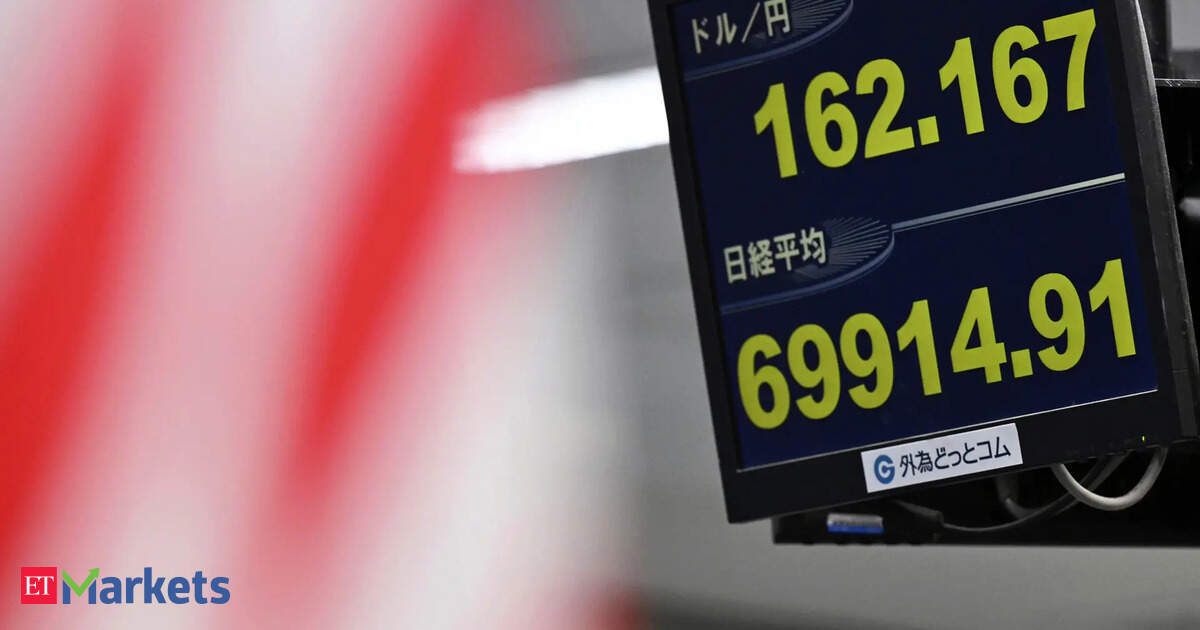
The yen touched a four-decade low Wednesday as a wide rate gap, heavy short positioning, and no credible backstop fuel the slide. What confirms the trend and what would break it.
The yen touched its weakest level against the dollar in roughly four decades on Wednesday, extending a slide that has become the defining trade of 2025. The low did not come from a single catalyst. It reflects three overlapping forces that have built over months, each with a different path to resolution.
The first is the rate differential. The Federal Reserve holds its policy rate in restrictive territory. The Bank of Japan sits at 0.25%. The spread between the two is the widest since the 1980s. That gap pulls capital out of yen and into dollar-denominated assets. Verbal intervention from Tokyo has not changed the arithmetic. The BOJ's July meeting is the next scheduled opportunity to shift policy. Economists surveyed by Bloomberg assign a small probability to a hike, citing weak consumption data.
The second force is the carry trade structure. Hedge funds and asset managers have added to short-yen positions for six consecutive weeks, according to the latest weekly COT data. Those bets are profitable as long as the rate gap persists. The size of the aggregate position means any BOJ move or direct intervention would trigger a sharp squeeze. For now, the path of least resistance remains lower. The positioning also makes the yen acutely vulnerable to a sudden reversal.
The third force is the absence of a credible backstop. The Ministry of Finance has not intervened in the yen since April 2024. Traders note the current level is beyond where previous intervention occurred. Officials have warned about speculative moves. Without a coordinated G7 statement or a shift in BOJ stance, the market treats those warnings as noise.
The simple read is that the trend is intact and the next round number becomes the next target. The better read considers the risk of a squeeze. Positioning is extreme. The move has been parabolic. The BOJ's July meeting is six weeks away. A continuation below Wednesday's low with rising volume and no intervention would confirm the trend. A snap-back above the 50-day moving average or a hawkish BOJ signal would invalidate it. Until one of those appears, the trend is the only guide for forex market analysis. The BOJ's next policy decision is scheduled for July 31.
Drafted by a large language model from the source reporting linked above, then screened by automated publishing checks. It is not read by a journalist before publication. Some articles cite our Alpha Score. Verify prices and figures against the original source. Educational coverage, not personalized advice.