Forex● Neutral
Yen slides past 161, nearing 40-year low and intervention risk
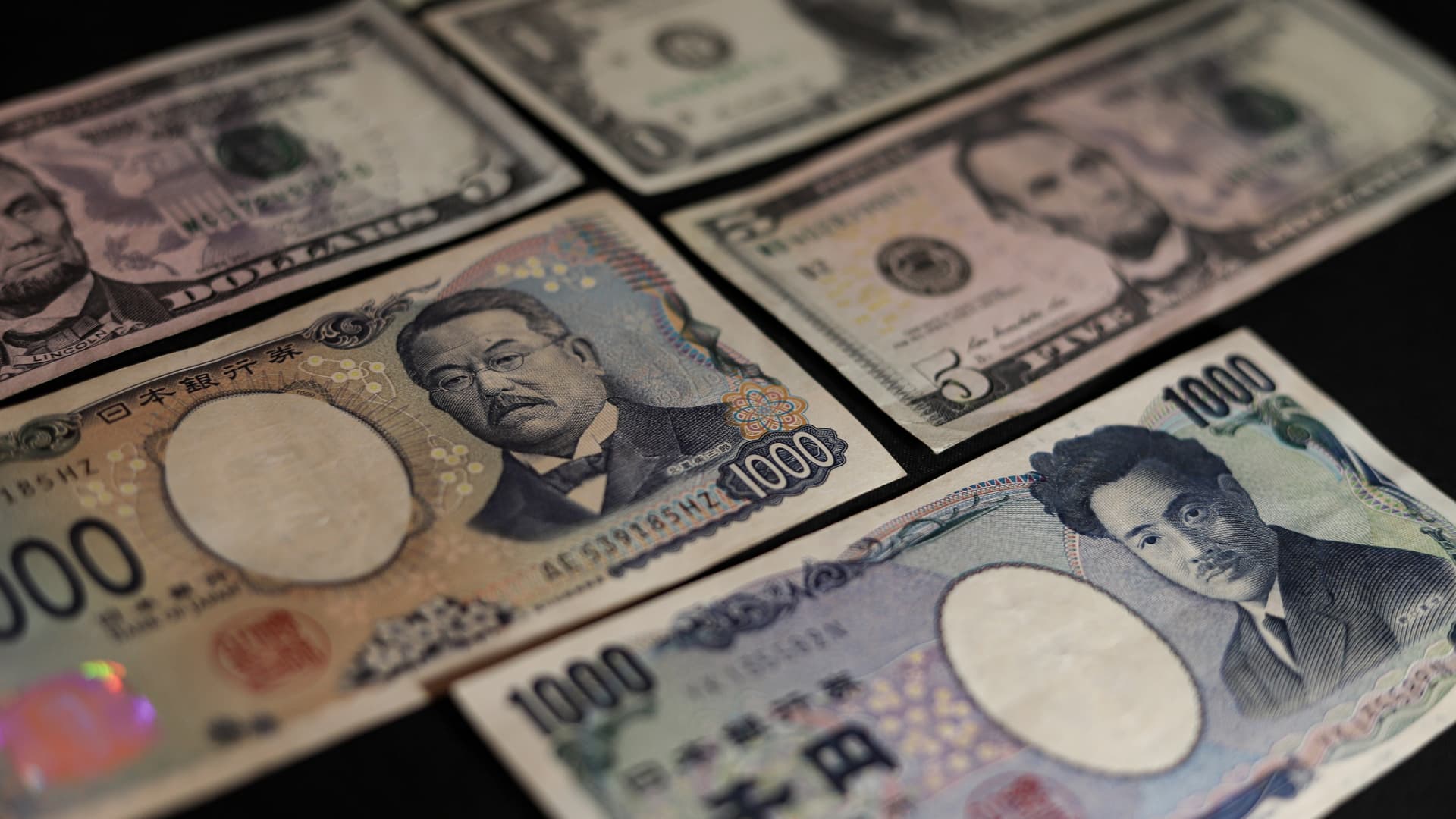
Yen slides past 161 per dollar, nearing a 40-year low. Finance officials warn of intervention as structural factors. U.S. yields and BOJ policy, keep pressure on the currency.
Continue with
The Japanese yen broke through the 161 level against the dollar late Thursday, inching toward a four-decade low and reviving bets that Tokyo will step in to prop up the currency.
After Japanese equity markets closed, the yen weakened sharply, crossing 161 before extending the slide later in the session to as low as 161.80 per dollar. That is the weakest since July 2024. A move past 161.96 would put the yen at its lowest since 1986.
The slide has drawn fresh warnings from finance officials. Finance Minister Satsuki Katayama told a G7 meeting that Japan was "prepared to take decisive action on speculative moves" in currency markets, according to reports.
The yen has stayed under pressure despite more than $70 billion in intervention by the finance ministry in May and a recent Bank of Japan rate hike that lifted borrowing costs to their highest since 1995.