Commodities● Neutral
W&T Offshore's 195% Surge Is a Leveraged Oil Bet
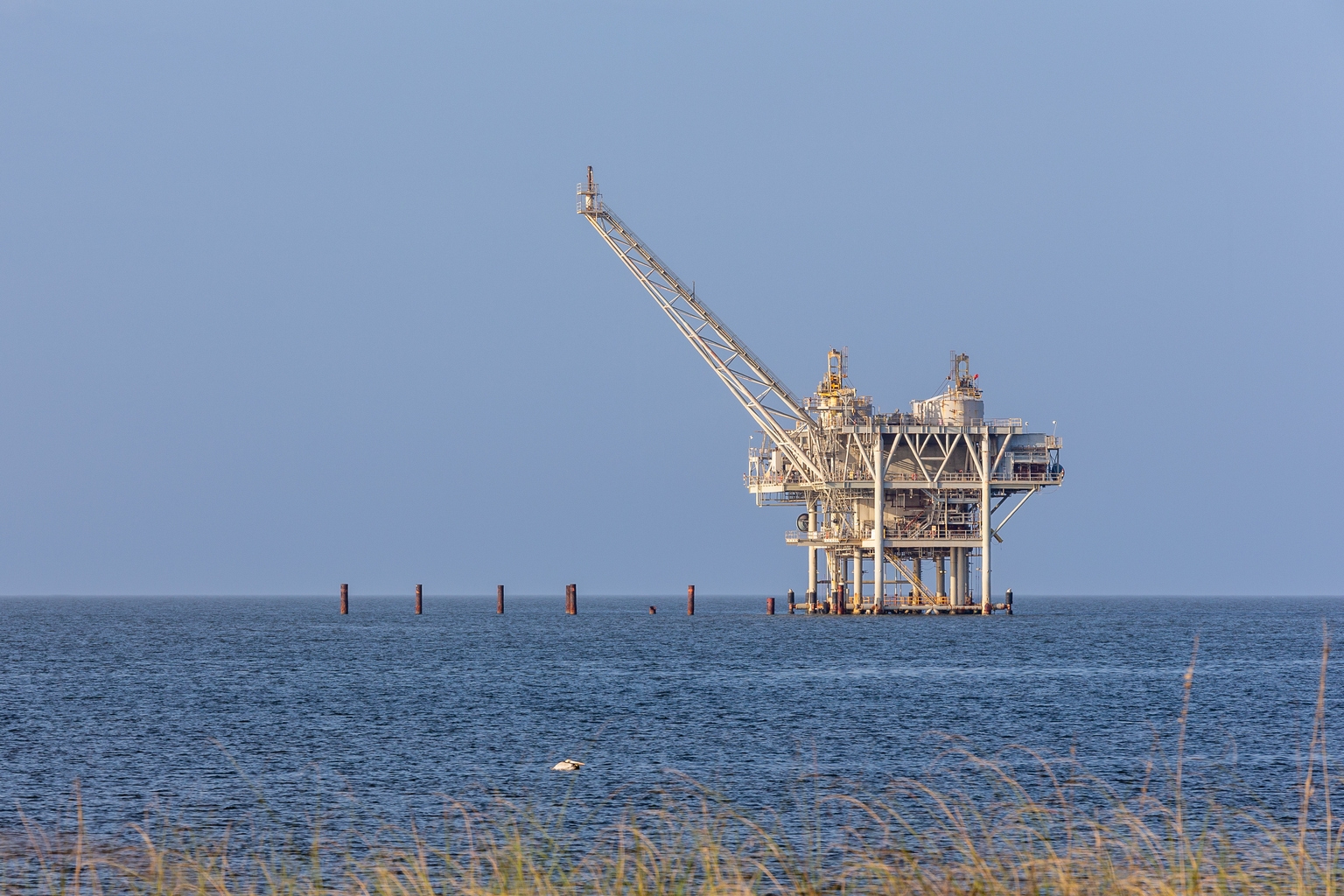
W&T Offshore's 195% YTD rally stems from minimal hedging and spot exposure. The stock's next move hinges on crude oil holding above $100, with geopolitical supply risks as the catalyst.
Continue with
W&T Offshore (NYSE:WTI) has rallied 195% year-to-date in 2026. The driver is not a company-specific turnaround. It is a structural exposure to spot crude prices. The company sells nearly all its Gulf of Mexico production at spot rates with minimal hedging. Each dollar move in WTI crude futures flows almost directly into revenue. For traders scanning YTD winners, the stock looks like a simple beta trade on oil. The reality is more specific: W&T Offshore is a leveraged derivative of the commodity itself.
The Unhedged Cash Flow Amplifier
The 195% gain is not just a passive reflection of oil's rise. W&T Offshore's cost structure creates operating leverage that magnifies cash flow changes. When crude moves from $90 to $110, revenue increases nearly linearly. Fixed production costs stay constant. That means the extra $20 per barrel falls almost entirely to the bottom line. A small percentage move in the commodity produces a larger percentage move in earnings.
The same mechanism amplifies the downside. If crude drops back to $90 from $110, W&T Offshore loses that high-margin revenue. Fixed costs do not shrink. The stock can fall faster than the underlying commodity because cash flow compresses at lower revenue levels. The company's spot exposure means no buffer from hedges. Industry peers typically hedge 40% or more of production. W&T Offshore hedges less than 10%. That is the core structural difference.
Crude Oil's Geopolitical Drivers Are the Real Catalyst
W&T Offshore's valuation now depends entirely on sustained high oil prices. The crude oil market remains driven by geopolitical supply risks. The Iran nuclear talks have stalled. Strait of Hormuz transit risks persist. OPEC+ discipline has kept inventories tight. Any headline from those sources directly feeds into W&T's revenue outlook. As our recent analysis of the Trump Iran remark showed, each escalation can push WTI crude to support tests near $101.78.