Macro● Neutral
Why Warsh May Kill the Dot Plot at June Meeting
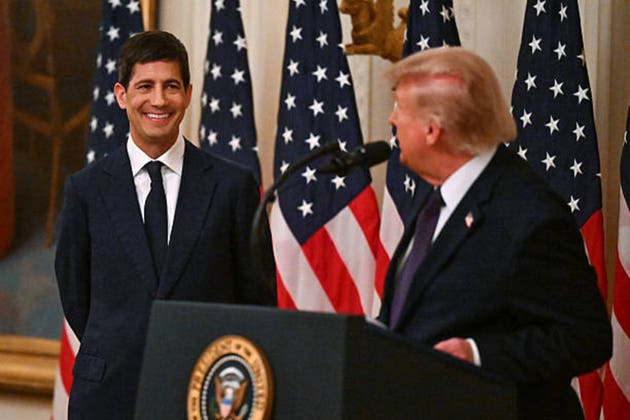
New Fed Chair Kevin Warsh may drop the dot plot at the June 16-17 meeting. The shift would raise rate volatility, reshape the yield curve, and force markets to price policy from scratch on every data print.
Continue with
New Federal Reserve Chair Kevin Warsh may start curtailing the central bank's forward guidance as soon as its June 16-17 meeting, part of his intent to reshape how markets interpret the rate path. The change, reported by a reliable source, would mark the biggest shift in Fed communication since the 2012 introduction of explicit rate projections. For traders, the implication extends beyond a single policy meeting. It changes how to think about the rate path, the dollar, and asset prices for the rest of the year.
The Policy Signal: Why Warsh Would Restrict the Dot Plot
Warsh has long criticized the dot plot for creating false precision. The quarterly dots give markets a fixed set of rate expectations that often misalign with the data-dependent reality. Removing them would force the Fed to rely almost entirely on qualitative signals in the statement and press conference. The naive read is that less guidance gives the Fed more flexibility. The better market read is that it forces the market to price rate paths from scratch every meeting, raising the cost of carry for position-taking. Every CPI print, employment report, and ISM headline will carry more weight. The Fed's reaction function becomes a live feed, not a calendar of dots.
Transmission Through Rates and Yields
The most direct impact lands on short-dated yields. Without dot plot anchors, the two-year yield will swing sharply on each data surprise. Long-dated yields face a different pressure. The term premium – the extra compensation investors demand for holding long-term bonds – will rise if uncertainty about the terminal rate increases. The yield curve could steepen if short rates stay anchored by a cautious Warsh while long rates add a risk premium. It could flatten if markets interpret the removal of guidance as a hawkish signal that the Fed wants optionality to hike. Either way, volatility in bond yields will rise. Market makers will widen bid-ask spreads, reducing liquidity at the margin and amplifying moves.