Why Wall Street Ignores the Iran Conflict: Cramer’s Take
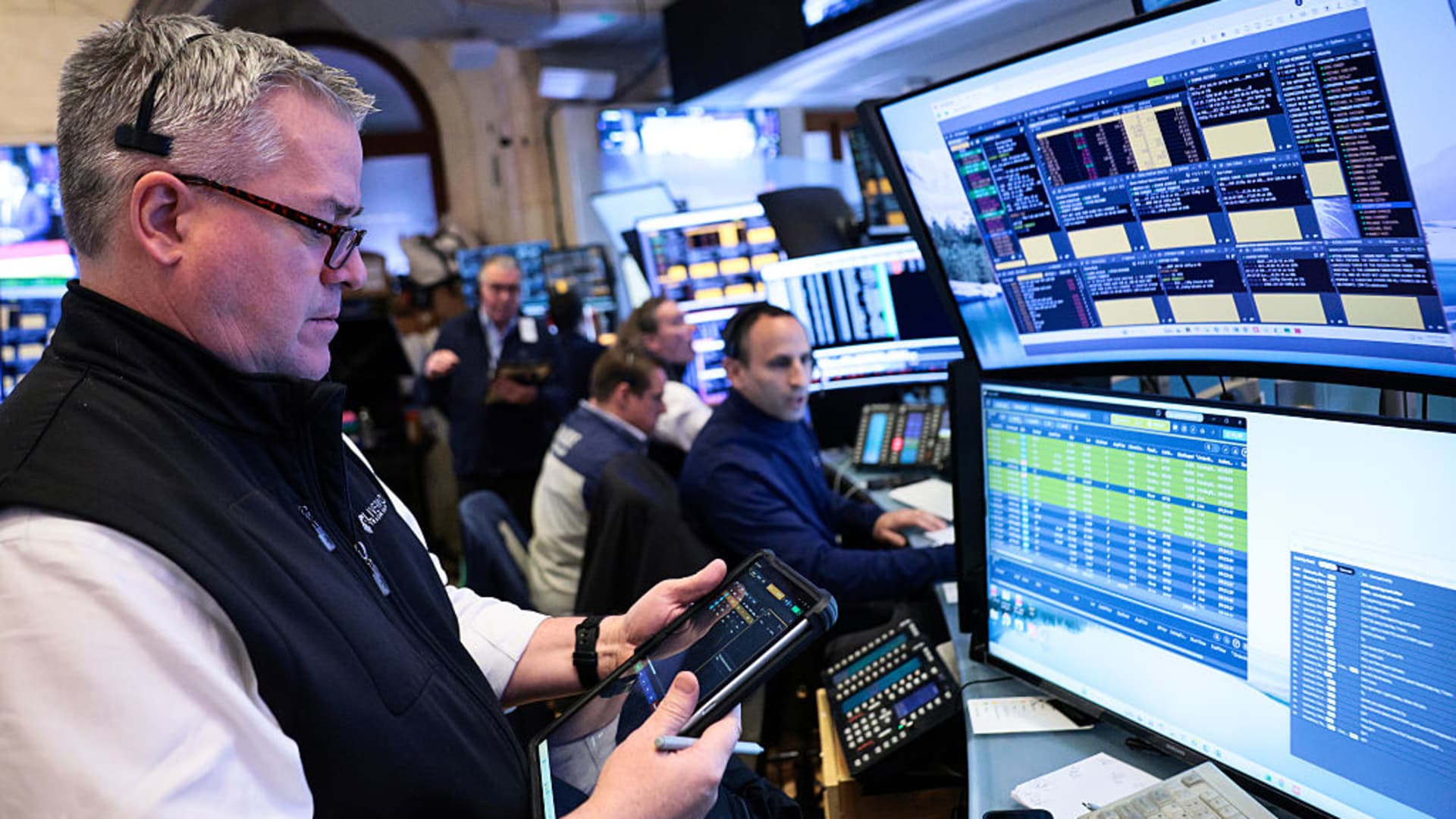
Jim Cramer argues that Wall Street is ignoring geopolitical tensions in the Middle East because investors are laser-focused on domestic economic strength and corporate earnings.
Markets Tune Out Geopolitical Volatility
Investors are ignoring the latest flare-up in the Middle East. While tensions between Israel and Iran suggest a period of instability, the stock market continues its march higher. CNBC host Jim Cramer argues this reaction is not accidental. Instead, it reflects a shift in how market participants weigh information.
Most traders are currently looking past the headlines. They are prioritizing domestic economic data over foreign policy crises. Cramer noted that the current environment favors a focus on corporate fundamentals rather than international conflict.
The Shift to Economic Fundamentals
Market participants have spent the last several months obsessing over interest rates and inflation metrics. When these data points align with a soft-landing narrative, geopolitical concerns often take a backseat. Cramer suggests that the market’s current resilience serves as a signal that the underlying economic engine remains the primary driver for stock valuations.
"The market is telling you that the real story isn't the war. It's the health of the American consumer and the trajectory of corporate profits," Cramer stated on Monday.
Current Market Drivers
Investors are basing their decisions on a few specific indicators rather than news cycles:
- Corporate earnings growth expectations for the upcoming quarter.
- Labor market strength, which continues to support consumer spending.
- Federal Reserve policy signals, which remain the primary anchor for asset pricing.
Implications for Traders
Those tracking the market analysis will see that the decoupling of stocks from geopolitical news is becoming a trend. If the market continues to shrug off external shocks, it indicates a high level of confidence in the domestic economy. However, this behavior can be risky. Traders often find that when markets ignore clear risks, they become more sensitive to sudden, unexpected shifts in economic data.
Risk Assessment Table
| Factor | Market Sensitivity | Current Trend |
|---|---|---|
| Geopolitical Risk | Low | Ignoring |
| Interest Rate Policy | High | Watching |
| Corporate Earnings | High | Monitoring |
What to Watch Next
Cramer’s assessment suggests that unless the conflict directly disrupts global supply chains or spikes energy costs, the market will likely stay its course. Traders should keep a close eye on the crude oil profile for any signs of a sustained price surge. A sharp move in energy prices would be the most likely catalyst to break the current pattern of indifference. For now, the focus remains firmly on the domestic front, and investors seem content to treat geopolitical noise as a secondary concern.