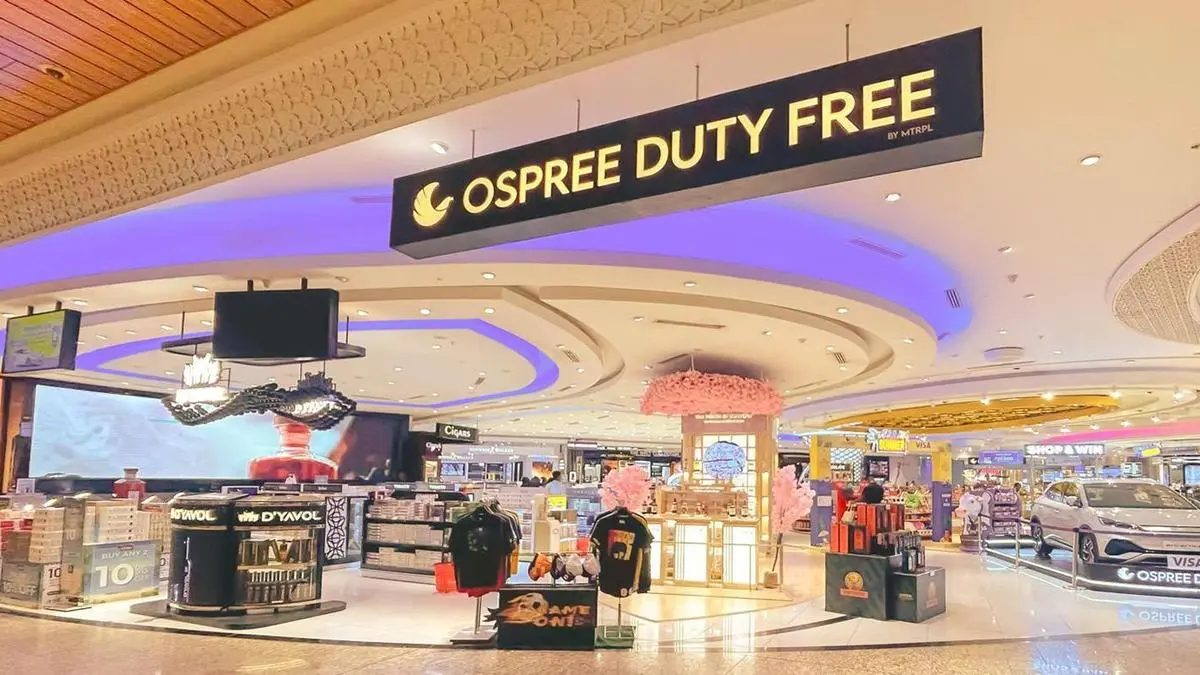
Luxury Sales Stumble at Transit Hubs
Global luxury and beauty conglomerates are feeling the sting of regional instability as airport retail revenue takes a sharp dive. The ongoing conflict in West Asia, now entering its sixth week, has disrupted the flow of travelers and altered spending habits at major transit hubs across the region. For brands that depend on duty-free sales as a primary growth engine, the current volatility reveals a fragile dependency on Gulf-based travel corridors.
The Cost of Regional Instability
Luxury houses have spent years expanding their footprint in high-traffic airports, banking on the high-spending demographic of international travelers. However, the current situation has forced a reassessment of these strategies. When security concerns rise, flight paths change and consumer confidence falters, leading to a direct hit on the bottom line for firms that rely on these captive retail environments.
Impact on Retail Performance
- Travel Retail Vulnerability: Luxury groups face immediate pressure as foot traffic at key Middle Eastern hubs wanes.
- Sector Exposure: Beauty, fashion, and accessory brands see the most direct impact from shifting traveler demographics.
- Supply Chain Delays: Logistics through regional air hubs have slowed, complicating inventory replenishment for premium retail outlets.
Market Implications for Traders
Investors monitoring the market analysis should note that the luxury sector often serves as a proxy for consumer sentiment among high-net-worth individuals. If the slowdown at airport locations persists, it could dampen earnings reports for major fashion houses that have aggressively invested in travel retail. Traders are now watching to see if these companies will pivot their capital expenditure away from airport expansion and toward more stable, domestic markets.
"The reliance on specific geographic transit hubs has moved from a growth strategy to a liability for luxury brands during periods of geopolitical friction."
What to Watch Next
Market participants are looking for signs of stabilization in regional air traffic data. If flight volumes remain suppressed, luxury groups may be forced to lower their full-year guidance. Analysts will look for management commentary on how these firms plan to weather the decline in duty-free revenue during upcoming quarterly calls. Until the situation in West Asia clarifies, expect continued pressure on the stocks of luxury conglomerates with heavy exposure to international travel hubs.
For those tracking broader commodity trends, the ripple effects of regional conflicts often influence related sectors, including the crude oil profile, which remains sensitive to transit disruptions in the Middle East.