Leaders who dominate meetings become bottlenecks. Dan Rockwell argues the best leaders ask questions, give space, and build self-sufficient teams.
Most executives walk into a room determined to be the smartest person there. Answers ready. Problems solved. Authority asserted. That instinct, according to leadership writer Dan Rockwell, is exactly what turns a leader into a bottleneck.
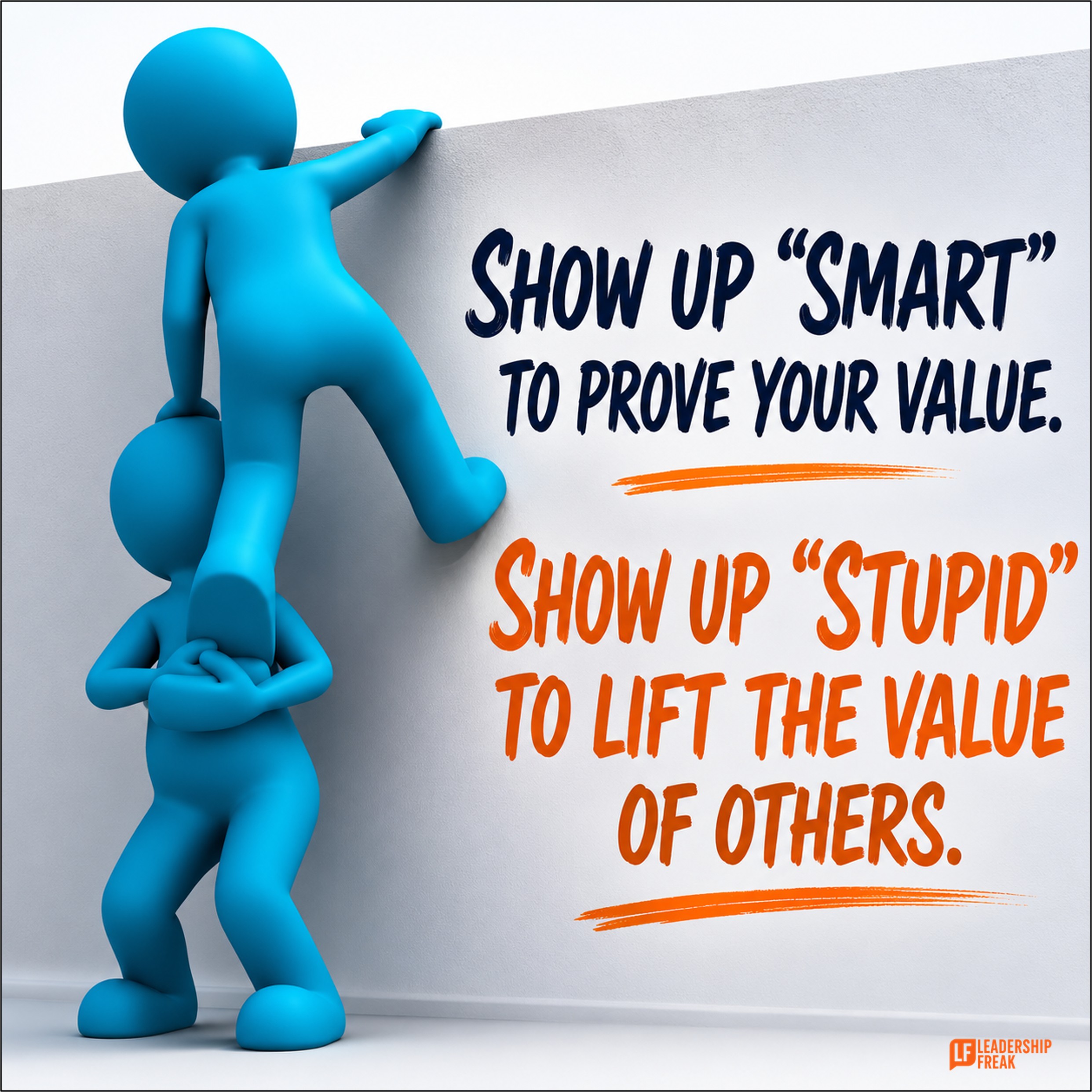
Rockwell's thesis runs counter to conventional corporate wisdom. Show up "smart" and you feed your own ego but starve the team. Show up "stupid" – meaning teachable, curious, willing to let someone else take the floor – and you build a group that thinks for itself. "The goal isn't looking smart," he wrote on Leadership Freak. "It's strengthening others."
The distinction matters for investors assessing management quality. A CEO who dominates every meeting, who gives orders rather than asks questions, may drive short-term execution. That same style can kill innovation and retention over time. When heads turn toward the leader, the leader becomes a bottleneck. When heads turn toward each other, the organization builds capability.
Rockwell's advice is simple: put your answers in your back pocket. Take a breath. Let someone else be the smartest person in the room. Leaders who do that build teams that think, act, and grow without constant hand-holding.
The most durable companies tend to have leadership teams where the top person is not the sole source of ideas. Apple, long admired for its product culture, has seen both extremes – a founder who demanded perfection and a successor who empowered division heads. The ability to listen and explore, rather than dictate, correlates with long-term shareholder returns.
Rockwell does not pretend that showing up "stupid" means ignorance. It means being teachable. Conversations become about others, not the leader. That shift is hard for Type-A executives trained to project confidence. The payoff, he argues, is a team that solves its own problems.
For investors, the lesson is subtle. When evaluating a management team, watch how the CEO behaves in meetings. Does she ask questions or give answers? Does she interrupt or invite input? The small behaviors reveal whether the company is building a machine or a cult of personality.
Prepared with AlphaScala research tooling and grounded in primary market data: live prices, fundamentals, SEC filings, hedge-fund holdings, and insider activity. Each story is checked against AlphaScala publishing rules before release. Educational coverage, not personalized advice.