Stocks● Neutral
Why Scotland's Food Price Cap Could Squeeze Grocers
Scottish pig farmers lose £1,000 per sow place as proposed price caps on bread, milk, and eggs threaten margins. Here is how the cheap food push could reshape UK grocery stocks.
Continue with
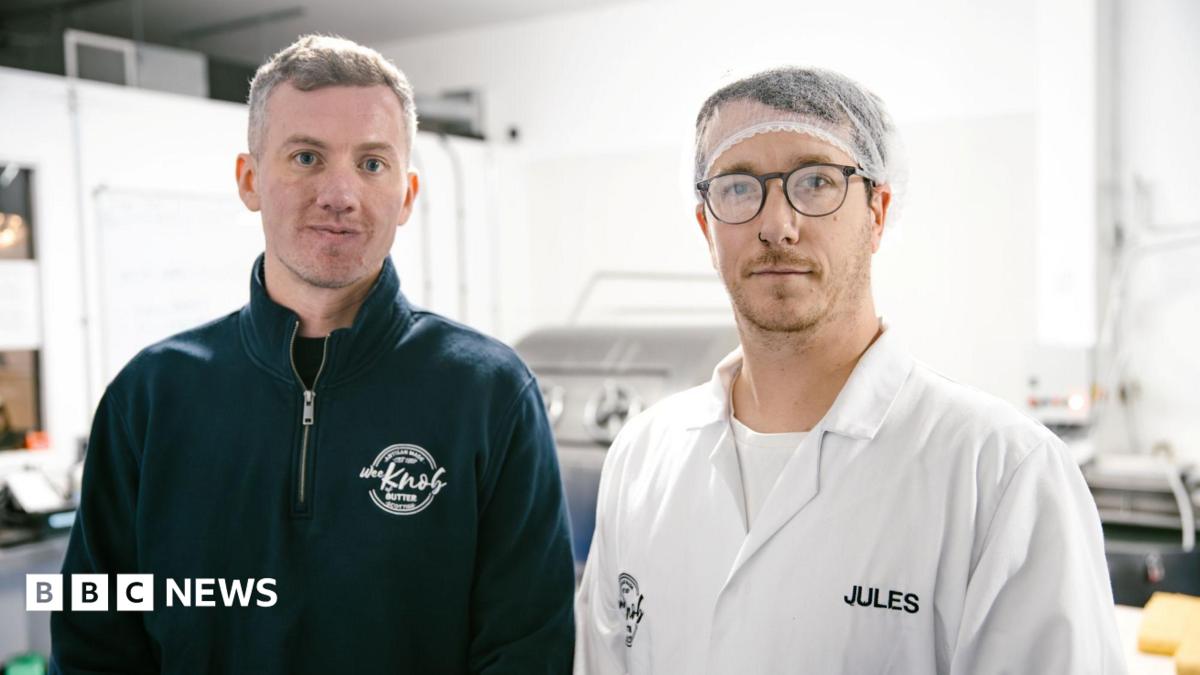
First Minister John Swinney called it a "moral outrage" that families cannot afford a proper shop. His proposed price cap on bread, milk, and eggs is meant to fix that. Farmers and food producers see it differently – a threat to their margins and a push toward cheaper imports.\n\nThe SNP manifesto pledge targets a basket of essential items. The simple read is that capping prices helps consumers. The better market read is that the cap puts pressure on everyone in the supply chain, especially the producers who already operate on thin margins.\n\nThe math on the farm\n\nScottish pig farmers are losing up to £1,000 per sow place, according to NFU Scotland. That comes from a glut of European pork after African swine fever hit Spain's exports. A price cap on other items would only add to the squeeze, former NFU Scotland president Martin Kennedy said. "If we keep putting pressure on the primary producers they'll just simply say we can't do this any more," he told the BBC. More imports from countries with lower standards is the risk.\n\nSupermarkets are caught in the middle. Sainsbury's and Morrisons already sell Rora Dairy's organic yogurt alongside budget own-label lines. A cap on staple items would force grocers to either absorb the cost or raise prices on non-capped categories. That shifts the burden to shoppers buying premium goods – the same shoppers producers like Jules Bal at Wee Knob of Butter rely on.\n\nThe spending shift\n\nUK households spent 16% of their budget on food in 2016, down from 33% in the 1950s, according to the Living Costs and Food Survey. That long decline came from industrial farming and supermarket buying power. Prices have risen 40% over the past five years, Aberdeen University nutrition scientist Alex Johnstone said. For families with children, the share of disposable income needed for food rises to about 85%, her calculations show.\n\nThat is the tension. A price cap could help the most vulnerable. It could also accelerate the move toward imported food produced under conditions illegal in Scotland. Kennedy argued that if health and affordability are the real goals, the government should focus on promoting high-quality domestic produce rather than capping prices on basics.\n\nWhat to track\n\nThe legislation has not been introduced yet. Swinney said his government is bringing it forward. The timing of the bill, the scope of the basket, and how retailers respond will determine whether the cap harms producer margins or simply shifts the cost elsewhere. For a broader view of how UK grocery stocks are positioned, see our stock market analysis.