Stocks● Neutral
Why Reviving the Calcutta Stock Exchange Won't Work
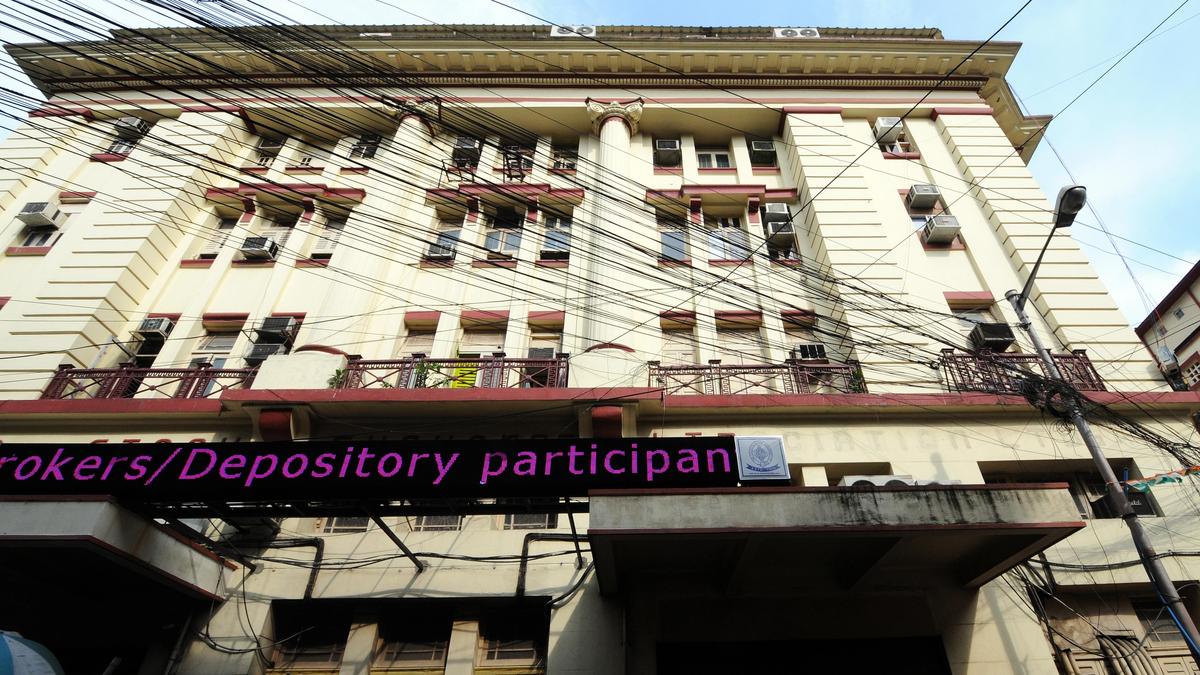
The West Bengal government wants to revive the Calcutta Stock Exchange. Critics say it is pointless. CSE last traded in 2013 and would need heavy investment. History shows small regional exchanges cannot compete with NSE and BSE.
Continue with
The West Bengal government wants to bring the Calcutta Stock Exchange back to life. The effort has drawn sharp criticism from market observers who say regional exchanges lost their purpose two decades ago when NSE and BSE rolled out satellite-linked trading terminals. Location stopped mattering. Turnover vanished from CSE and other regional exchanges soon after.
SEBI started showing regional exchanges the exit door in 2013. The regulator allowed voluntary exits for any exchange without trading on its platform or with annual turnover below ₹1,000 crore and net worth under ₹100 crore. Eighteen regional exchanges, including the Madras, Delhi, Ahmedabad and Bangalore stock exchanges, exited between 2013 and 2019. CSE survived only on paper. It has not recorded a single trade since 2013 because it failed to set up a clearing corporation.
The first problem with reviving CSE is cost. The exchange would need to spend heavily on a trading platform, a clearing corporation, a depository, surveillance systems and other technology. It does not appear able to meet SEBI's current turnover and net worth thresholds, the editorial argues. That cash has to come from somewhere, and CSE has no trading revenue.
The second problem is the assumption that a revived CSE would boost fundraising and employment in the region. Experience with Metropolitan Stock Exchange in Mumbai shows that companies and investors gravitate to the largest exchange with the best price discovery and most liquidity. A small regional exchange cannot compete with NSE and BSE on either metric.