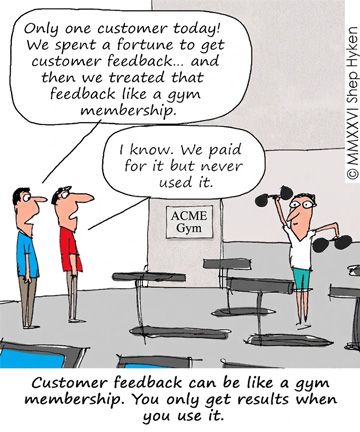
Mariusz Gromada, the chief of retail customers at Bank Millennium in Warsaw, wrote a line that lands squarely on any earnings analysis: “Insight is a cost. Action is a profit.”
That applies directly to The New York Times Co. The company sits on a mountain of reader data – subscription behavior, content preferences, churn signals, ad engagement. Collecting that data costs money. The profit exists only if management turns those signals into decisions that move revenue and retention.
The NYT stock page carries an Alpha Score of 48, labeled Mixed. The score itself is insight – a neutral snapshot that tells investors the risk-reward is balanced. Balanced is not a trade. The insight has no value until someone acts on it.
What action looks like
NYT’s business model relies on digital subscription growth and a cyclical ad segment. The cost of gathering reader feedback is already sunk into the product. The profit comes from converting that feedback into concrete moves:
- Personalization that lifts time spent and repeat visits.
- Retention campaigns triggered by engagement declines.
- Ad targeting that uses reading patterns rather than generic demographics.
- Tier optimization – pushing light users to higher price points or stripping features from low-value plans.
None of this happens by accident. A company that surveys customers and does nothing is wasting time and money, as Gromada’s point suggests. NYT cannot afford that waste. The competition from Substack, newsletters, and social platforms is too direct.
The retention lever
Churn is the silent killer in subscription businesses. A 1 percentage point reduction in monthly churn compounds into substantially higher lifetime value over 12 months. If NYT uses reader data to identify at-risk subscribers early and intervene with content recommendations or price adjustments, the return on that insight is direct. Analysts and investors will look for evidence of these programs in management’s quarterly commentary.
The same logic applies to average revenue per user. Digital subscribers generate roughly $9 per month currently. A small uptick from better tier assignment or reduced discounting, driven by insight into willingness to pay, adds millions to top line without adding cost.
Score as starting point, not finish line
An Alpha Score of 48 says the stock is fairly valued on current metrics. It does not predict future moves. The catalyst that changes the score is execution – specifically whether NYT turns its data advantage into measurable outcomes. The next earnings call should show whether the company is acting on the insight it already owns.
Investors should track subscriber acquisition cost trends and churn rates. If those improve, the insight was turned into profit. If they stagnate, the cost of collecting the data continues without return.
Gromada’s line applies at the portfolio level too. An Alpha Score is insight. The profit comes from deciding what to do with it – hold, trim, add, or wait. For NYT, the score is neutral. The action remains the variable.