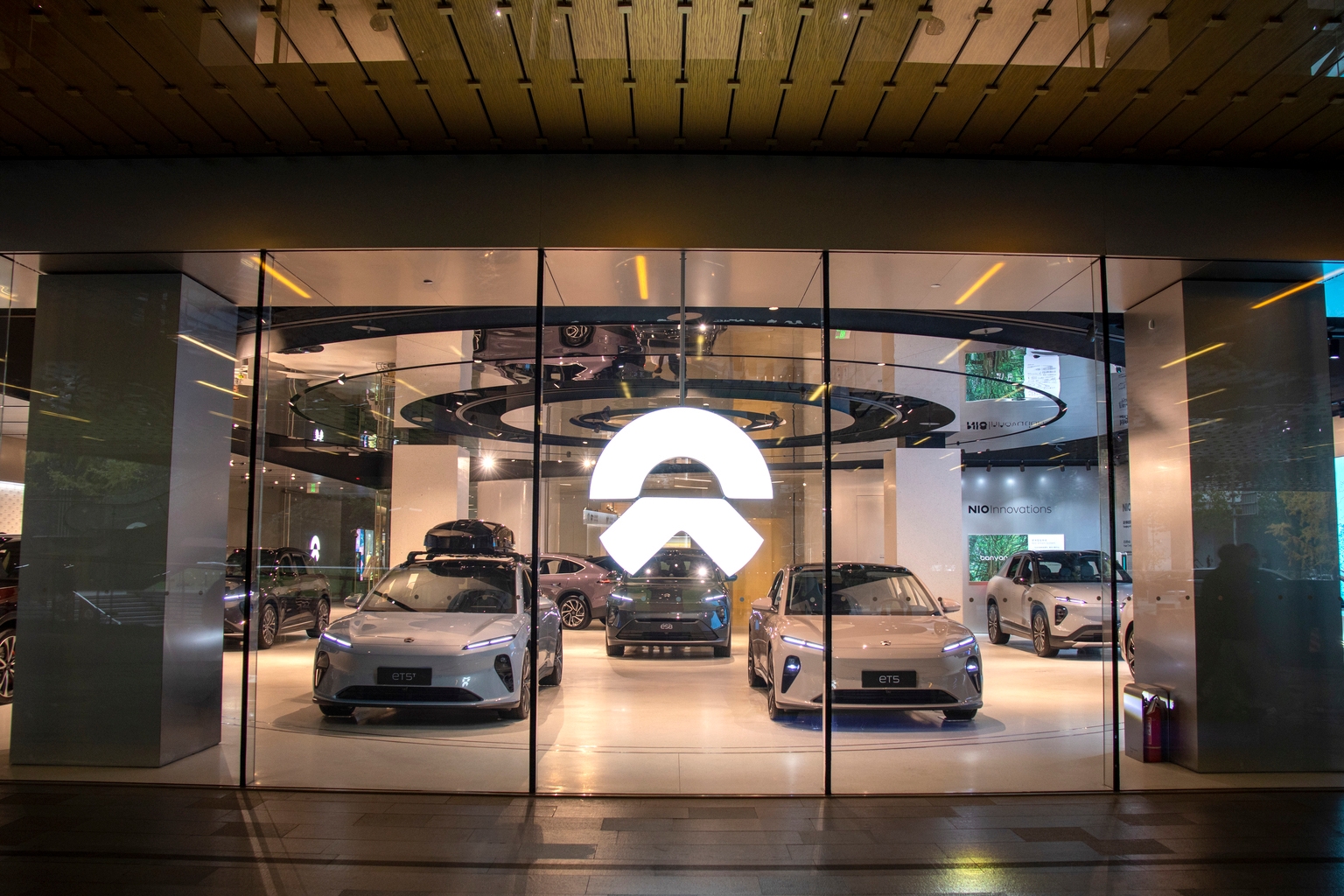
NIO Inc. delivered 21,209 vehicles in June, up 63% from a year earlier. The monthly print was the company's strongest since December 2023. The ES9 SUV and the Firefly sub-brand accounted for roughly 40% of the volume, the company said.
The delivery mix matters more than the total. The ES9 carries a higher average selling price than NIO's core sedan lineup. The Firefly is a lower-margin model aimed at volume. For the June surge to translate into margin improvement, the ES9's share needs to be large enough to offset the Firefly's lower contribution. NIO has not broken out the exact split.
NIO's gross margin has been stuck near 5% for the past two quarters. That is well below the 15-18% range that would signal sustainable profitability. The June surge does not by itself change that picture. To reach that target, NIO would need to sustain a mix heavily weighted toward the ES9 and other high-margin models, not just one month of strong volume. The Firefly's lower margin raises the stakes for the higher-end models to deliver proportionally more profit.
The 5% gross margin leaves little room for error. NIO's quarterly operating costs are substantial, and any slip in volume could widen losses. The company needs to show that the June pace is sustainable and that the margin is trending toward double digits.
A second risk is inventory. NIO ended the quarter with roughly 45,000 vehicles in stock, up from 38,000 at the end of March. That level represents about two months of sales at the June run rate, compared with about one and a half months in March. The buildup raises the possibility that production is running ahead of demand. A sustained high inventory level could force NIO to offer discounts to clear stock, which would further hit margins. If July and August deliveries revert to the 16,000-18,000 range seen in the first five months of the year, the June spike will look like a one-off driven by channel fill.
The broader Chinese EV market remains intense. Rivals like BYD and Tesla have slashed prices, compressing margins across the board. NIO's ability to charge a premium for its models depends on differentiating through service and battery swapping. Both add costs. Price cuts from competitors have forced NIO to offer incentives on some models, further pressing margins. The company has tried to hold pricing on the ES9. The overall market pressure limits how much it can pass through cost increases.
NIO's stock has lost 45% this year. The delivery number provides a short-term positive data point. It does not resolve the margin or inventory questions. The next catalyst is the second-quarter earnings report, due in late August. Investors will focus on gross margin and delivery guidance for the third quarter. A guidance range of 55,000-60,000 deliveries in Q3 would imply a sustained run rate above 18,000 per month. A lower number would confirm the June surge was a temporary event.
AlphaScala's rating system gives NIO a score of 10 out of 100, a Weak label in the Consumer Discretionary sector. The rating captures the tension between strong operational execution and a weak margin environment. The June print buys time. It does not settle the central question: can NIO sell enough high-margin vehicles to cover its fixed costs? For traders, the stock remains a high-risk play on an inflection in margins that has not yet materialized.