Most first-time investor guides ask too many decisions before the first trade. A single world ETF bought monthly beats six steps every time.
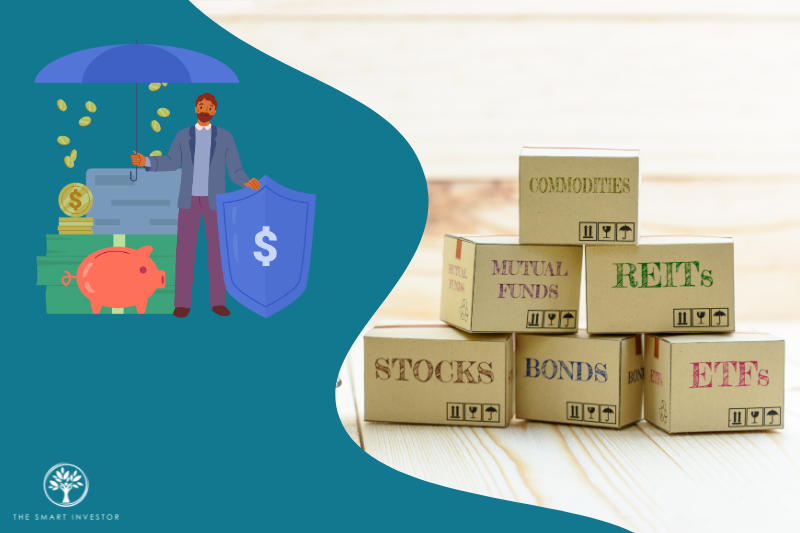
Most first-time investor guides read like a checklist: know your goal, build an emergency fund, buy stocks and REITs, add an ETF, diversify across sectors, keep it simple. Follow six steps and you are set for the long term. The real risk is not any of those steps individually. It is the assumption that more diversification and more holdings make a better portfolio.
The guide urges you to understand your objective before buying anything. Retirement and a home down payment need different timelines and risk tolerance. That distinction is useful. The guide stops short of saying the obvious: a 25-year-old saving for retirement should not own the same mix as a 55-year-old doing the same. The trade-off between growth and income is not a complement – it is a sequence. Growth comes first for decades, then income. Blending them from the start dilutes both.
An emergency fund before investing is sound advice. Liquid cash means you are not forced to sell equities in a crash to pay for a car repair. The guide is right on this point. It implies that everyone needs a fund before making the first investment. A young person with a stable job, low expenses, and access to credit can skip the cash buffer and start investing immediately. The cost of waiting – missing compounding – is higher than the cost of selling at a temporary loss.
The guide lists stocks and REITs with Singapore examples: DBS Group, Sheng Siong Group, CapitaLand Integrated Commercial Trust, Parkway Life REIT. These are quality names. The reader might walk away thinking a portfolio of six such holdings is enough. It is not. Six stocks in a small economy like Singapore means huge concentration risk. A single sector downturn or regulatory change can wipe out years of gains. The better first step is a broad ETF, not a handful of local blue chips.
The guide recommends Vanguard Total World Stock ETF with almost 10,000 holdings, or the local STI ETF with 30. That range is reasonable. 10,000 stocks is overkill for anyone. The practical max is three funds: a US total market index, an ex-US developed index, and a bond fund if needed. More than that creates overlap and makes rebalancing a chore. The guide’s own “simple portfolio framework” includes separate allocations for growth and income stocks, REITs, and ETFs – that is already four asset types before you pick individual names.
Quality company characteristics are listed: competitive advantage, strong balance sheet, consistent earnings, good management. That list is generic enough to apply to most large-cap companies. The trap is that new investors use these criteria to justify buying a stock that has already doubled because it looks “high quality.” The guide does not warn against buying after a run-up. A cheaper, faster reality check: start with an index fund and only add individual stocks after you have read three annual reports and understand the business model.
The biggest mistake the guide fails to call out is over-monitoring. It warns against checking too often. Then it lists examples of specific companies and REITs – which encourages the reader to watch price moves daily. The risk is emotional trading. A single ETF that you check once a quarter is far less dangerous than a portfolio of 15 stocks that you feel compelled to track every morning.
Every successful portfolio started with a first investment, the guide says. True. The easiest first investment is a single world ETF bought on the first day of the month for the next 12 months. No stock picking, no sector tilts, no REIT research. Just a recurring buy. The six-step framework is not wrong. It asks a beginner to make too many decisions before the first trade. Fewer decisions, earlier, beats more preparation every time.
Prepared with AlphaScala research tooling and grounded in primary market data: live prices, fundamentals, SEC filings, hedge-fund holdings, and insider activity. Each story is checked against AlphaScala publishing rules before release. Educational coverage, not personalized advice.