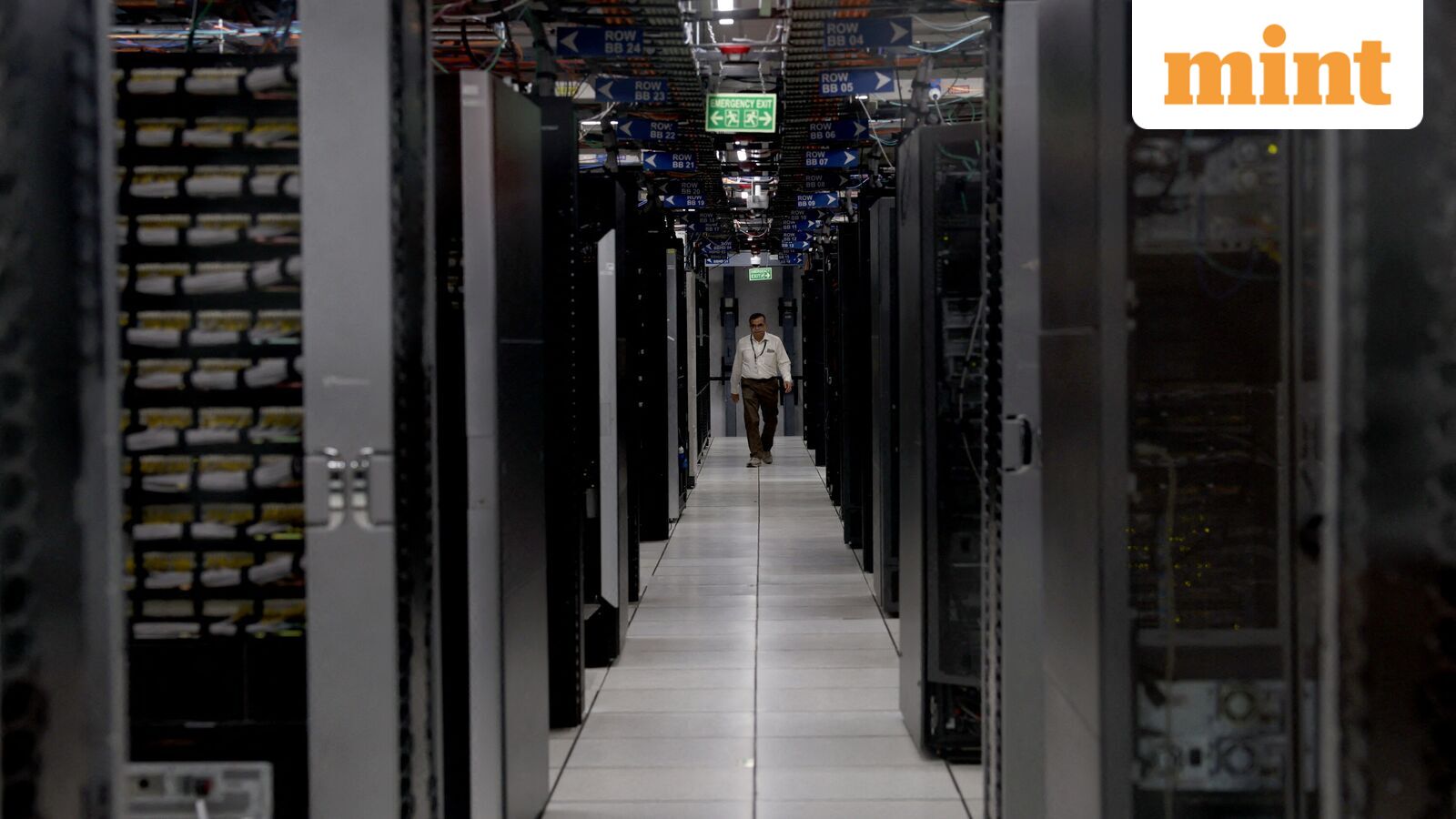
India's AI race is shifting from software to something more physical: land, electricity, cooling and water. Google's planned $15 billion AI hub in Visakhapatnam and the expansion of Maharashtra's data centre ecosystem show how quickly the foundations are being laid. A data centre behaves like an industrial facility. It needs uninterrupted power, efficient cooling and secure water access. In a hotter climate, those requirements get harder to guarantee.
The International Energy Agency estimates global electricity demand from data centres could more than double by 2030, with AI as a key driver. That puts pressure on the rivalry between Indian states competing to become AI hubs. Cheap land, subsidies and faster approvals will matter. They won't be enough. The real advantage may come from reliable clean power, resilient grids and cooling systems designed for a warming climate.
Andhra Pradesh and Maharashtra illustrate the trade-offs. Andhra's coastal connectivity and renewable energy potential are real advantages. Coastal infrastructure built today must operate for decades in a world of higher temperatures and changing weather patterns. Maharashtra faces a different problem. Mumbai has become India's dominant data centre hub thanks to its financial industry and connectivity. Concentration creates its own vulnerabilities. A large share of critical digital infrastructure clustered in one region increases exposure to pressure on electricity networks, land availability and water resources.
The answer is not to slow investment. It is to recognise that data centres need a different policy approach. Central and state governments have largely treated data centres as economic development opportunities, offering land, tax benefits and easier approvals. The next phase must focus equally on resilience.
Policies should require climate-risk assessments before major projects are approved. Location decisions should consider future heat, water availability and extreme weather exposure, not just current commercial advantages. Standards for energy efficiency, water consumption and backup infrastructure should be part of planning approvals.
Renewable power procurement also needs a more practical approach. A clean electricity contract helps reduce emissions. It does not by itself solve the problem of keeping servers running 24/7. Large AI facilities will require investment in transmission networks, energy storage and dependable clean power.
A recent global analysis of planned data centres by risk consultancy XDI shows why resilience matters. The report examined climate risks facing planned data centres and warned that the question is no longer only where new digital infrastructure should be built. It is whether these assets can remain operational through their lifetime. The report assessed risks from extreme heat, flooding, cyclones and infrastructure disruption.
One of its key conclusions is that a data centre cannot be viewed in isolation. Even a highly protected facility depends on electricity networks, telecommunications, transport systems and water supply. A building may survive an extreme weather event. It can still suffer disruption if the systems around it fail.
Companies building these centres have a larger responsibility. Climate resilience cannot be treated as an engineering adjustment made after construction. Operators need to choose locations carefully, invest in efficient cooling technologies, disclose energy and water use and design facilities for future climate conditions. This will increasingly become a competitive advantage. Customers relying on AI and cloud services will care not only about speed and cost. They will also care about reliability. Investors and insurers are also likely to examine whether expensive digital infrastructure is prepared for climate disruption.
India does not face a choice between AI and climate responsibility. Much of its AI infrastructure is being built now, giving the country an opportunity to avoid mistakes made elsewhere. Size and processing speed are not everything. The next winners in digital infrastructure are likely to be players that are equipped to keep data centres running reliably in a warming world.