Stocks● Neutral
Why electric tractors are cutting farm costs and emissions
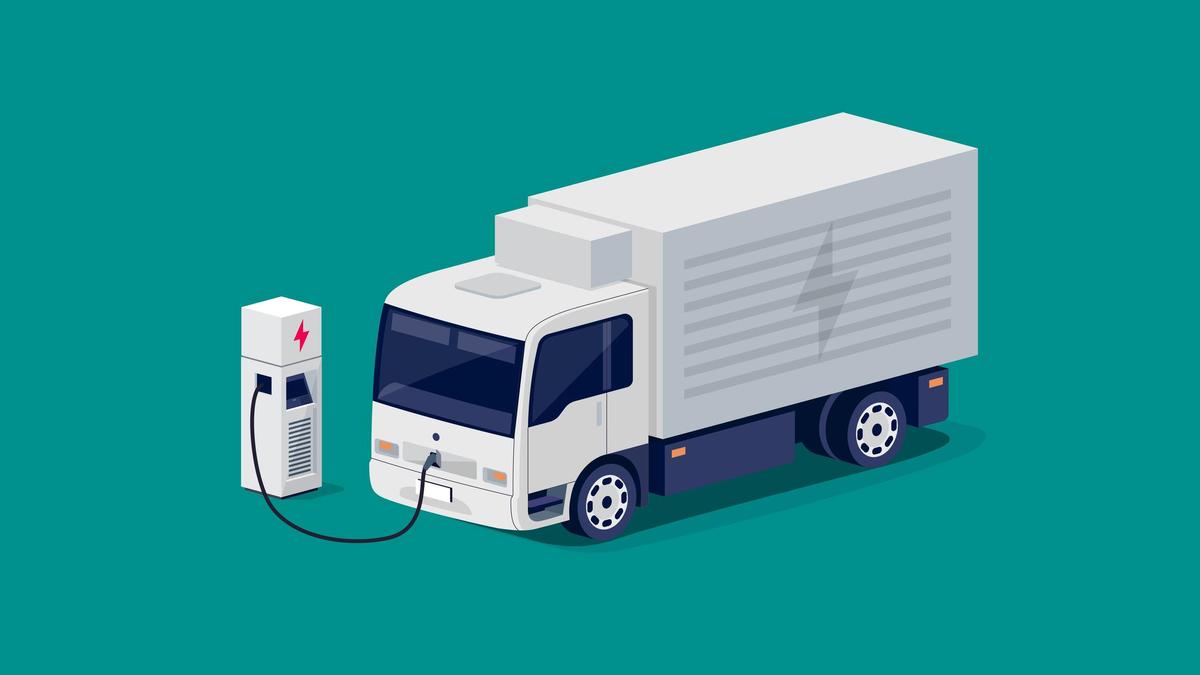
Electric tractors and irrigation pumps can cut energy costs by up to 70% over diesel alternatives while reducing emissions. Falling battery costs and government incentives are accelerating adoption.
Continue with
Agriculture accounts for nearly 22% of global greenhouse gas emissions when land use and food systems are included, the International Energy Agency estimates. In India, the sector contributes about 18% of gross value added while employing roughly 45% of the workforce. The tension between maintaining output and cutting emissions has pushed farmers toward electric alternatives.
Diesel-powered tractors, irrigation pumps, and utility vehicles leave farmers exposed to fuel price swings. Electric tractors can reduce energy costs by up to 70% over their operational lifetime compared with diesel counterparts, according to studies cited by industry groups. Battery-powered irrigation systems and e-tractors also cut maintenance – fewer moving parts mean less downtime during planting and harvest.
The environmental math is straightforward. Diesel engines release carbon dioxide, nitrogen oxides, and particulate matter. Replacing them with electric equipment shrinks a farm's carbon footprint. The Food and Agriculture Organization has said that shifting to cleaner energy technologies in agriculture is necessary for meeting global climate targets and improving rural air quality.
Modern electric farm machinery often carries GPS guidance, telematics, and real-time performance monitoring. Those tools enable precision farming – optimizing seed, water, and fertilizer use while reducing waste. Electric vehicles generally need less maintenance than internal combustion engines, which matters during tight seasonal windows.