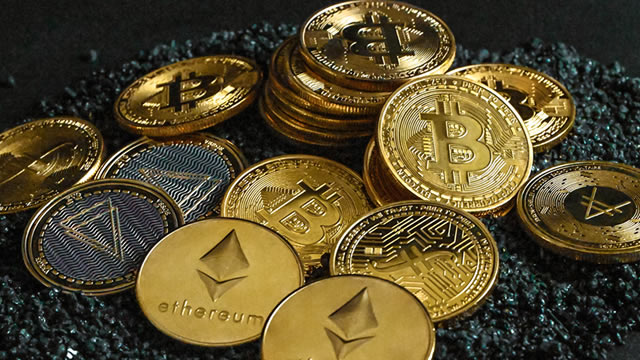
The sector's shift from speculative play-to-earn to sustainable economies has drawn renewed developer and institutional attention, setting up a potential inflection point for gaming tokens.
Alpha Score of 58 reflects moderate overall profile with moderate momentum, moderate value, moderate quality, moderate sentiment.
Two years ago, uttering the phrase “crypto gaming” was a reliable way to start an argument. To a small group, it represented the next frontier of digital ownership. To most, it was a speculative frenzy dressed up with expensive JPEGs and unsustainable tokenomics. That perception gap has narrowed considerably. The sector is no longer defined by a single overhyped title; it is now a sprawling ecosystem of studios, layer-2 chains, and venture-funded startups that have spent the bear market building. The shift in narrative from “gambling with skins” to “infrastructure play” is the real catalyst that makes crypto gaming one of the most promising sectors in Web3 today, and it mirrors the broader maturation seen across crypto market analysis.
The simple read is that crypto gaming is back because crypto prices are rising. The better read is that the underlying mechanism has changed. The 2021 play-to-earn model, epitomized by Axie Infinity, created a closed-loop economy that required constant new user inflows to sustain token prices. When growth stalled, the model collapsed, leaving retail investors with worthless tokens and a deep distrust of the sector. That hangover has forced a fundamental redesign of how games integrate blockchain, similar to how the NFT market evolved from speculative PFP projects to utility-driven collections like BAYC Floor Surges 55% YTD as Yuga Labs Consolidates NFT Blue Chips. The new wave of titles operates on a “play-and-earn” or “free-to-own” basis, where the game is free to start and the economic layer is optional. This structural shift breaks the ponzi-like dependency and aligns incentives toward long-term player retention rather than short-term speculation. For token holders, this means value accrual is tied to in-game activity and ecosystem growth, not just hype cycles.
The infrastructure layer has also matured to a point where it no longer hinders the user experience. Two years ago, minting an in-game item on Ethereum mainnet could cost more than the item itself. Today, gaming-specific layer-2 networks like Immutable X and Ronin, along with general-purpose scaling solutions such as Polygon and Arbitrum, offer gas-free or sub-cent transactions. Wallet onboarding has been streamlined with social logins and embedded wallets that abstract away seed phrases. These improvements are not theoretical; they are live and processing millions of transactions. For the first time, a developer can build a game that feels like a traditional mobile or PC title, with the blockchain operating invisibly in the background. This removes the single largest barrier to mainstream adoption.
Meanwhile, the talent and capital flowing into the sector signal a longer-term conviction that goes beyond token price swings. Major gaming studios, including publicly traded publishers, have established blockchain divisions or invested in Web3-native studios. Venture capital firms that retreated during the bear market are re-entering, writing checks to founders with track records from both traditional gaming and crypto. This convergence of expertise is producing games that prioritize fun first, with the economic layer serving as an enhancement rather than the core loop. The result is a pipeline of titles that are scheduled to launch over the next 12 to 18 months, any one of which could become the breakout hit that onboards millions of new users to Web3.
For traders, the decision point is whether the current reset in valuations offers an asymmetric entry. Many gaming tokens are trading at fractions of their all-time highs, with fully diluted valuations that reflect a market still pricing in failure. The risk is that user adoption remains tepid and token unlocks from early investors create persistent sell pressure. The opportunity is that a single successful game can re-rate the entire sector, as it did in 2021. The next concrete catalyst to watch is the launch calendar: several high-profile games are expected to go live in the coming quarters. Monitor daily active wallets, transaction volumes, and token unlock schedules to gauge whether the on-chain activity justifies a repositioning. The sector has done the hard work of rebuilding; now it needs to prove that players will show up.
Drafted by the AlphaScala research model and grounded in primary market data – live prices, fundamentals, SEC filings, hedge-fund holdings, and insider activity. Each story is checked against AlphaScala publishing rules before release. Educational coverage, not personalized advice.