Stocks● Neutral
White House Shooter Was Known to Secret Service – Market Risk Check
The gunman was killed after a Saturday exchange near the White House. Markets face a security risk premium Monday – here is what to watch.
Continue with
The Security Incident That Broke the Weekend Calm
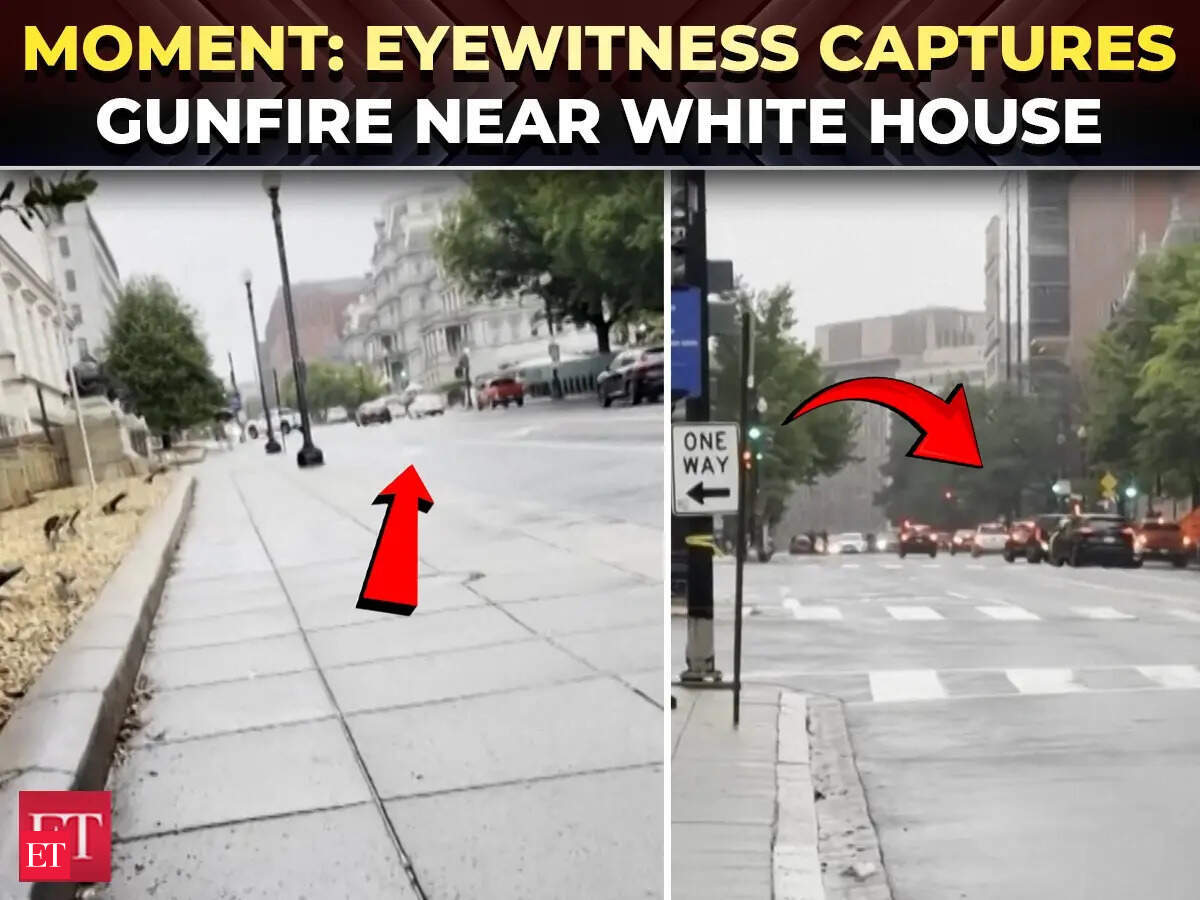
Gunfire erupted near the White House perimeter on Saturday, 24 May 2026, sending civilians scrambling for cover and triggering a Secret Service response that ended with the gunman dead. The FBI has opened an investigation, the National Guard was placed on standby, and the White House complex locked down. Verified video footage captured pedestrians ducking behind cars and vehicles slowing in confusion as sirens filled downtown Washington, D.C.
The timing matters: Saturday gives markets two full days to digest the incident before Monday's open. The simple read is that a lone gunman was neutralised quickly, no other casualties were reported, and the threat was contained within minutes. The better market read starts with the detail that the shooter was already known to the Secret Service. That fact shifts the event from a random perimeter breach to a potential intelligence-and-response failure, which carries a different risk premium.
Which Assets Will Carry the Weekend Risk Premium
Direct equity exposure is minimal because the threat was eliminated and no government operations were disrupted beyond the immediate perimeter. Second-order effects, however, will appear in several asset classes when futures begin trading Sunday evening.
The Volatility Channel
The VIX will likely gap higher at Sunday's open. The magnitude depends on whether the incident is viewed as a one-off anomaly or as evidence of a systemic gap in Washington, D.C. security. Historical parallels are instructive: the 2014 White House fence-jumper sparked a brief VIX spike of about 0.5 points that faded within hours. A known assailant who managed to reach the fence line with a weapon suggests a higher threat tier. Markets may price a 1.0-1.5 point VIX gap if the investigation remains open without a clear lone-wolf conclusion.
The Safety Bid in Rates
Treasury yields could see a modest flight-to-safety bid in early futures trading. The 10-year yield may flatten or drift lower by 2-3 basis points as traders reduce risk before more facts emerge. If the FBI confirms no broader conspiracy by Monday morning, that move will reverse within the first hour of cash trading.