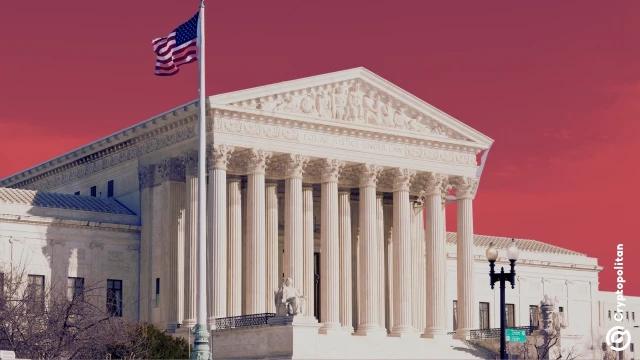
Senate Republicans push for a September 15 vote on the CLARITY Act after Thune files a cloture motion. Democrats hold out on ethics and stablecoin provisions.
White House crypto adviser Patrick Witt accused Senate Democrats of blocking a procedural vote on the CLARITY Act before the August recess. In a post on X, Witt said the party pulled "out all the stops" to stall the bill's progress, demanding another extension on a measure that has been in negotiation since last summer.
Witt's remarks came after the bill missed its pre-summer vote, leaving its prospects for passage in 2026 in doubt. Galaxy Research cut the bill's odds of passing next year from 50% to 30% last month, citing the lack of progress heading into the break.
Republican Senator John Thune filed a motion Saturday to schedule a cloture vote on the legislation immediately after the Senate resumes sessions September 14. The motion, filed as calendar number 423, would bring debate to a close on the motion to proceed to the bill, which establishes a regulatory framework for digital commodities under the Securities and Exchange Commission and the Commodity Futures Trading Commission.
"We, the undersigned senators … hereby move to bring to a close debate on the motion to proceed to calendar number 423, [House Resolution] 3633," Thune wrote in his filing.
Witt said that if senators cannot vote on the bill by September 15, the legislation's chances would be permanently stalled. Thune has insisted the CLARITY Act will be the chamber's first priority after the recess, and his motion puts the bill in line for the Senate's cloture process, which involves several procedural steps and waiting periods before a final vote.
The September window is the last period of Senate business before the November midterm elections take over the calendar. Lawmakers remain split on financial-crime provisions, stablecoin rewards, and government ethics guidelines. In July, Senators Gallego and Tillis proposed an ethics compromise that would give state attorneys general the power to enforce a ban on public officials and their spouses launching or sponsoring digital assets. The plan also requires President Trump to sell his stakes in crypto-related businesses; he has yet to sign off.
The bill needs roughly 60 votes to pass. Republicans hold 53 seats, meaning at least seven Democrats or independents would need to support the measure if the entire GOP caucus backs it. Crypto Council for Innovation CEO Ji Hun Kim posted on X that the group plans to lobby both parties over the August break to lock in the votes needed for September.
Because Thune filed the motion, the Senate can vote almost immediately upon return, potentially clearing the first hurdle on its second day back. Senators need only a few days within the three-week September session to complete the voting process.
A failure to advance the bill would leave digital asset companies waiting longer for a market-structure framework as lawmakers pivot to the midterms. The legislation is intended to clarify the jurisdictional boundaries between the SEC and CFTC, addressing a long-standing source of uncertainty for crypto firms operating in the United States.
Drafted by a large language model from the source reporting linked above, then screened by automated publishing checks. It is not read by a journalist before publication. Some articles cite our Alpha Score. Verify prices and figures against the original source. Educational coverage, not personalized advice.