SEBI's Enhanced and Graded Surveillance Measures restrict trading in suspect stocks. ESM Stage II uses 2% bands and periodic call auctions; GSM Stage III allows one trade per week with a 100% deposit.
India's markets regulator has imposed tighter surveillance on stocks that show abnormal price movements or high volatility. The rules, which apply through exchange circulars, can restrict how often a stock trades, how wide its price can move, and even whether it settles on a delivery-only basis.
The measures fall into three categories, though they share a goal: slow down trading in suspect names and reduce the room for manipulation.
The Enhanced Surveillance Measure, or ESM, is the most common first step. Stage II under ESM forces a stock into the Trade to Trade segment – meaning every trade must result in delivery, no intraday squaring off is allowed. The price band is cut to 2% on either side, and trading happens only through a periodic call auction. That auction groups buy and sell orders and matches them at a single clearing price at set intervals. The result is thin intraday liquidity and a near-total loss of spot-price flexibility. A stock that was swinging 10% a day now cannot move more than 2%.
The Graded Surveillance Measure, or GSM, is a step tougher. Stage III under GSM permits trading only once a week, typically on Monday or the first trading day of the week. On top of that, buyers must deposit an Additional Surveillance Deposit equal to 100% of the trade value. That deposit requirement effectively kills speculative demand; only buyers willing to park cash equal to the full trade size will participate. Trading volumes tend to collapse, and the stock becomes a weekend-only instrument.
The third category, labelled ASM, applies specifically to companies that have entered insolvency proceedings under the Insolvency and Bankruptcy Code. These scrips also trade once a week, with the same Monday-only schedule. The rationale is similar – limited liquidity while the resolution process plays out – but the trigger here is a legal event, not a market action.
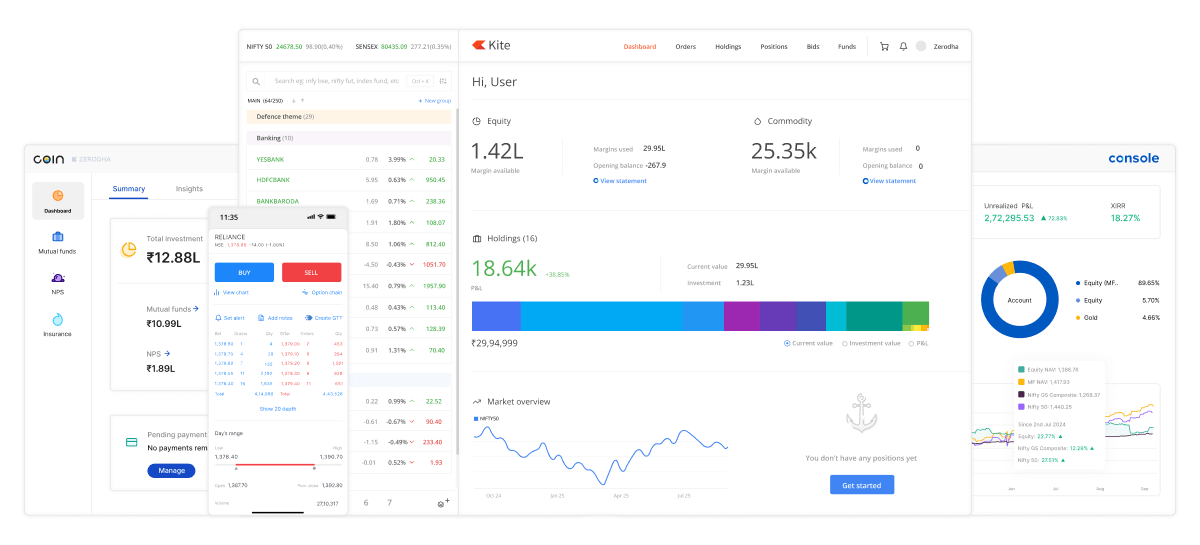
For traders holding these stocks, the impact is immediate. Shares that were freely tradeable become illiquid overnight. Positions opened before the measure was applied can take days or weeks to exit, especially under GSM Stage III where the window is a single session per week. Some platforms, including Kite, stop displaying the holding on non-trading days, though the shares remain visible on the back-end console. That can create confusion about whether a position is still open.
The trigger for a surveillance measure is usually a spike in price or volume that SEBI's algorithms flag as abnormal. Small-cap and micro-cap names are the most frequent targets, especially those with concentrated ownership or thin float. The regulator does not announce the criteria in advance, so the risk is hard to hedge. A stock can move from normal trading to ESM Stage II with no warning; the exchange circular is typically released after market close.
What reduces the risk of being caught? Avoid stocks where daily price action has no clear catalyst – no earnings, no news, no sector move. If a stock runs up 50% in a week on three trades, the chances of a surveillance tag go up. Check exchange announcements daily for names that have been moved to ESM or GSM. Some brokers flag these in their notes.
What makes it worse? A GSM Stage III tag that lasts for weeks or months. The weekly trading window often sees gap-down opens as trapped sellers try to exit, and the 100% deposit requirement ensures few buyers step in. Losses can compound quickly even without a price crash, simply because there is no one on the other side.
The measures are distinct from a straight suspension. A suspension halts trading entirely. ESM and GSM keep a door open, just a very small one. Traders who ignore the restrictions and try to sell through normal intraday orders will get rejected. The only way out is through the designated mechanism: the call auction for ESM, the Monday session for GSM and ASM.
For anyone holding a stock that suddenly lands in one of these categories, the first step is to confirm the specific stage and the applicable trading rules on the exchange website. The second step is to plan an exit, which may take several weeks. Patience, not panic, usually yields a better fill – but only if the weekly window works in your favour.
Prepared with AlphaScala research tooling and grounded in primary market data: live prices, fundamentals, SEC filings, hedge-fund holdings, and insider activity. Each story is checked against AlphaScala publishing rules before release. Educational coverage, not personalized advice.