Commodities● Neutral
Wheat Futures Near Two-Month High on Fertilizer Supply Fears
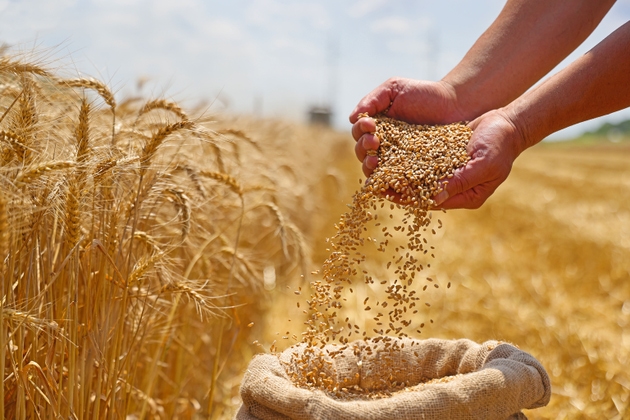
Fertilizer input costs are driving a rapid repricing of wheat risk. Watch for upcoming USDA reports to confirm if production cuts will sustain this breakout.
Continue with
Supply Chain Vulnerabilities
Wheat futures are building momentum this week, pushing toward the largest percentage gain seen in nearly two months. The rally stems from a broadening concern regarding the agricultural supply chain, specifically the precarious state of fertilizer inputs that are critical for upcoming planting cycles. Traders are pricing in a premium as conflicts in the Middle East, particularly involving Iran, create uncertainty around transit routes and export logistics for key chemical precursors used in nitrogen-based fertilizers.
Weather risks remain a persistent layer of complexity for the grains complex. Major exporting regions are facing unpredictable patterns that threaten to lower yield expectations, forcing market participants to re-evaluate global inventory levels. When supply-side constraints align with geopolitical friction, the resulting price action often reflects a rapid repricing of risk rather than immediate physical scarcity.
Market Implications
For those tracking the commodities analysis, this move represents a shift from the range-bound trading seen throughout the quarter. Wheat is sensitive to input cost inflation; if fertilizer prices continue to climb, the higher cost of production will likely provide a floor for grain prices even if weather conditions stabilize. Traders should monitor the following factors as they gauge the sustainability of this breakout:
- Export parity: Watch for shifts in trade flows from the Black Sea region, which remains the primary competitor to Western wheat.
- Input costs: Monitor natural gas prices, a key feedstock for nitrogen fertilizer, as a proxy for overhead volatility.
- Technical levels: The current move has cleared short-term resistance, suggesting a potential test of the 200-day moving average if volume holds.