Back to Markets
Stocks● Neutral

West Point Gold Metallurgical Results Signal Operational Efficiency at Gold Chain

West Point Gold Metallurgical Results Signal Operational Efficiency at Gold Chain
ASITEKEYASWPG

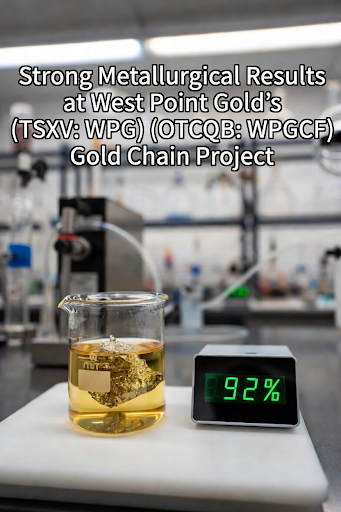
West Point Gold reports 92% gold recovery rates at its Gold Chain Project, marking a key technical milestone for the site's economic development.

AlphaScala Research Snapshot
Live stock context for companies directly referenced in this story
Alpha Score
55
Moderate

Alpha Score of 55 reflects moderate overall profile with moderate momentum, moderate value, moderate quality. Based on 3 of 4 signals — score is capped at 90 until remaining data ingests.

Alpha Score
36
Weak

Alpha Score of 36 reflects weak overall profile with moderate momentum, poor value, moderate quality. Based on 3 of 4 signals — score is capped at 90 until remaining data ingests.

Financials
Alpha Score
70
Moderate

Alpha Score of 70 reflects moderate overall profile with strong momentum, strong value, moderate quality, moderate sentiment.

Consumer Cyclical
Alpha Score
47
Weak

Alpha Score of 47 reflects weak overall profile with moderate momentum, poor value, moderate quality. Based on 3 of 4 signals — score is capped at 90 until remaining data ingests.

This panel uses AlphaScala-native stock data, separate from the source wire linked above.

West Point Gold has reported metallurgical test results from its Gold Chain Project, achieving gold recovery rates of up to 92%. This technical milestone serves as a primary indicator of the project's potential economic viability, as higher recovery rates directly influence the projected yield of any future extraction process. The ability to consistently extract gold from the ore body at these levels is a critical step in de-risking the asset for potential development.

Metallurgical Efficiency and Project Viability

The reported recovery rate of 92% provides a technical baseline for the Gold Chain Project. In the context of junior mining, metallurgical success is often the threshold that separates a resource from a viable mine plan. These results suggest that the mineralogy of the site is amenable to standard processing techniques, which reduces the complexity and potential capital expenditure required for future infrastructure. For investors, this data point shifts the focus from exploration success to the feasibility of production.

Sector Read-Through and Resource Development

The broader gold sector continues to prioritize projects that demonstrate high-grade recovery and manageable processing requirements. As companies like those detailed in our recent coverage of Predictive Discovery and Robex Finalize West African Gold Merger demonstrate, the consolidation and optimization of regional assets remain a dominant theme. West Point Gold's ability to hit these recovery targets positions the Gold Chain Project as a more attractive candidate for further investment or potential partnership within the competitive West African gold landscape.

Next Steps for Project Advancement

With the metallurgical testing phase providing positive confirmation, the company is now positioned to integrate these findings into its broader project development strategy. The next concrete marker for the Gold Chain Project will be the incorporation of these recovery rates into a formal resource estimate or a preliminary economic assessment. These documents will translate the current technical success into financial projections, allowing the market to better assess the net present value of the site.

AlphaScala data indicates that junior mining projects achieving recovery rates above 90% often see a compression in the timeline for securing project-level financing. The transition from metallurgical testing to a feasibility study represents the next major hurdle for the company. Stakeholders should monitor upcoming filings for updates on the project's development timeline and any adjustments to the exploration budget aimed at expanding the current resource base.

How this story was producedLast reviewed Apr 22, 2026

AI-drafted from named sources and checked against AlphaScala publishing rules before release. Direct quotes must match source text, low-information tables are removed, and thinner or higher-risk stories can be held for manual review.

Editorial Policy·Report a correction·Risk Disclaimer