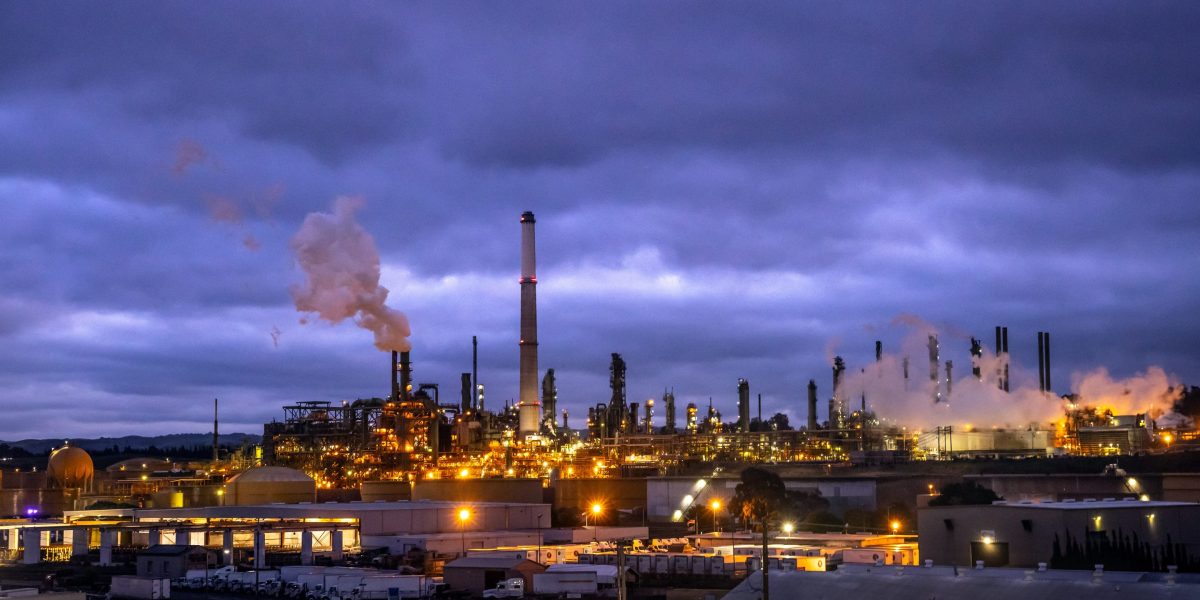
The convergence of localized refinery closures in California and the broader disruption of global energy flows due to the conflict in the Middle East has created a structural supply bottleneck for the West Coast. With key facilities near Los Angeles and San Francisco scaling back or shuttering operations, the regional fuel market is losing its ability to buffer against international price shocks. This vulnerability is particularly acute for jet fuel, where the lack of local production capacity forces a reliance on imports that are currently being rerouted or delayed by geopolitical instability.
Structural Supply Deficits in California
The West Coast energy market operates as an island, largely isolated from the pipeline infrastructure that connects the Gulf Coast to the rest of the United States. When local refineries reduce output, the region cannot easily draw from domestic reserves. The current closures exacerbate this isolation, leaving the market exposed to supply gaps that cannot be filled by domestic rail or truck transport in the short term. As global shipping lanes face persistent threats, the cost of securing replacement barrels from international markets continues to climb, placing sustained pressure on regional fuel prices.
Long-Term Infrastructure Lags
Relief for the West Coast supply chain remains years away, as the lead time for infrastructure projects and refinery upgrades is significant. The current situation highlights the risks inherent in a system that lacks redundant supply routes. While some firms are exploring alternative logistics, such as the Phillips 66 and Kinder Morgan Advance Western Gateway Pipeline Project, these initiatives are designed to address long-term capacity rather than immediate shortages. The industry is currently grappling with the reality that supply chain resilience requires capital investment that takes years to materialize, leaving the market in a period of extended volatility.
AlphaScala Market Context
Market participants are monitoring how integrated energy firms navigate these regional constraints while managing global portfolio risks. As noted in recent industry commentary, PSX CEO Warns of Long-Term Supply Lags Following Middle East Disruptions, the sector faces a difficult path in balancing dividend commitments with the necessity of maintaining operational stability. Within our coverage, Banco Santander (SAN) currently holds an Alpha Score of 70/100, reflecting a moderate outlook as financial institutions assess the broader economic impact of energy-driven inflation. Investors should track upcoming regulatory filings and state-level energy policy updates, as these will serve as the primary indicators for potential supply relief or further operational curtailments in the coming quarters.