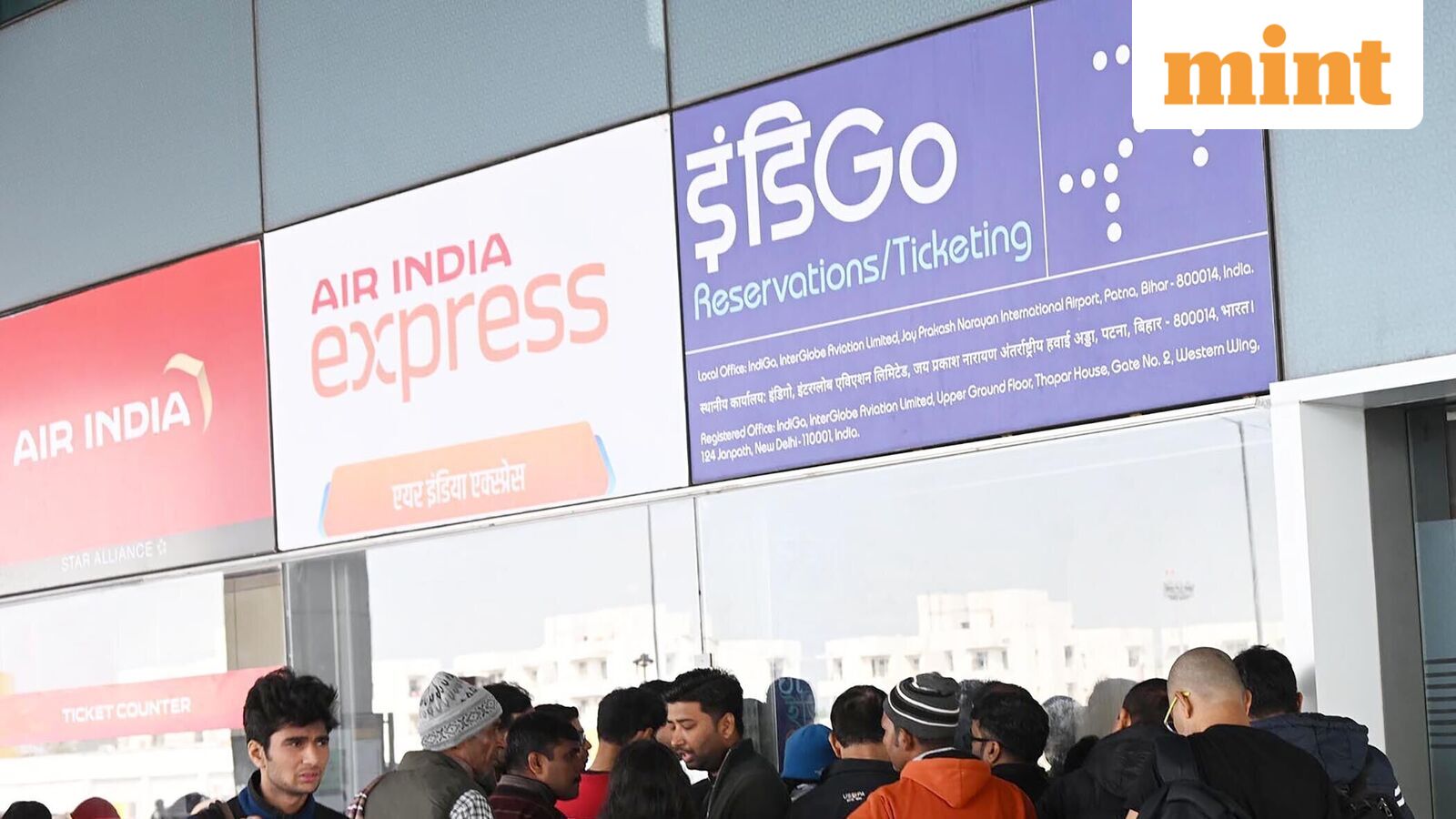
The escalation of conflict in West Asia has triggered a sharp contraction in international flight operations for Indian carriers, marking a four-year low in departure volumes as of March. The disruption centers on the heavy reliance of Indian airlines on transit corridors through the region, which have become increasingly volatile. Air India Express has emerged as the most affected operator, recording a 68% decline in departures. Across the broader industry, international departures from India have fallen by 40%.
Operational Constraints and Route Vulnerability
The sudden reduction in flight frequency highlights the fragility of regional connectivity when geopolitical tensions intersect with high-traffic transit hubs. Airlines are facing a dual challenge of rerouting aircraft to avoid conflict zones and managing the resulting surge in operational costs. These logistical adjustments often lead to extended flight times, higher fuel consumption, and the necessity of reallocating crew resources. The 40% decline in total international departures suggests that carriers are not merely adjusting schedules but are actively pulling capacity from routes that are no longer economically viable or operationally secure under current conditions.
This contraction forces a reevaluation of the hub-and-spoke models that have defined Indian aviation growth over the past decade. As carriers grapple with these constraints, the focus shifts to how quickly they can pivot to alternative international markets or increase domestic capacity to offset the lost revenue from international segments. The current environment serves as a stress test for fleet utilization strategies, particularly for budget-focused carriers that operate on thin margins and rely on high aircraft turnaround rates.
Market Context and Sectoral Impact
Broader stock market analysis indicates that aviation sector volatility often ripples into related industries, including travel technology and logistics. While the current data focuses on flight volume, the long-term impact on airline balance sheets will depend on the duration of the airspace restrictions and the ability of carriers to pass on increased fuel surcharges to passengers. The decline in departures also creates a ripple effect for ground handling services and airport operators that rely on consistent international traffic flows to maintain revenue targets.
AlphaScala data currently tracks various sectors with distinct performance profiles. For instance, LOW stock page maintains an Alpha Score of 47/100, while KEY stock page holds a score of 68/100. These figures reflect the broader market sentiment toward consumer-facing and financial sectors, which are often sensitive to the macroeconomic shifts caused by regional instability.
The next concrete marker for the industry will be the release of updated quarterly capacity guidance from major carriers. Investors will look for evidence of route diversification and the extent to which airlines have hedged against rising fuel costs. Any further escalation in the region will likely force a more permanent restructuring of international flight networks, moving away from the concentrated transit hubs that have proven vulnerable to sudden geopolitical shifts.