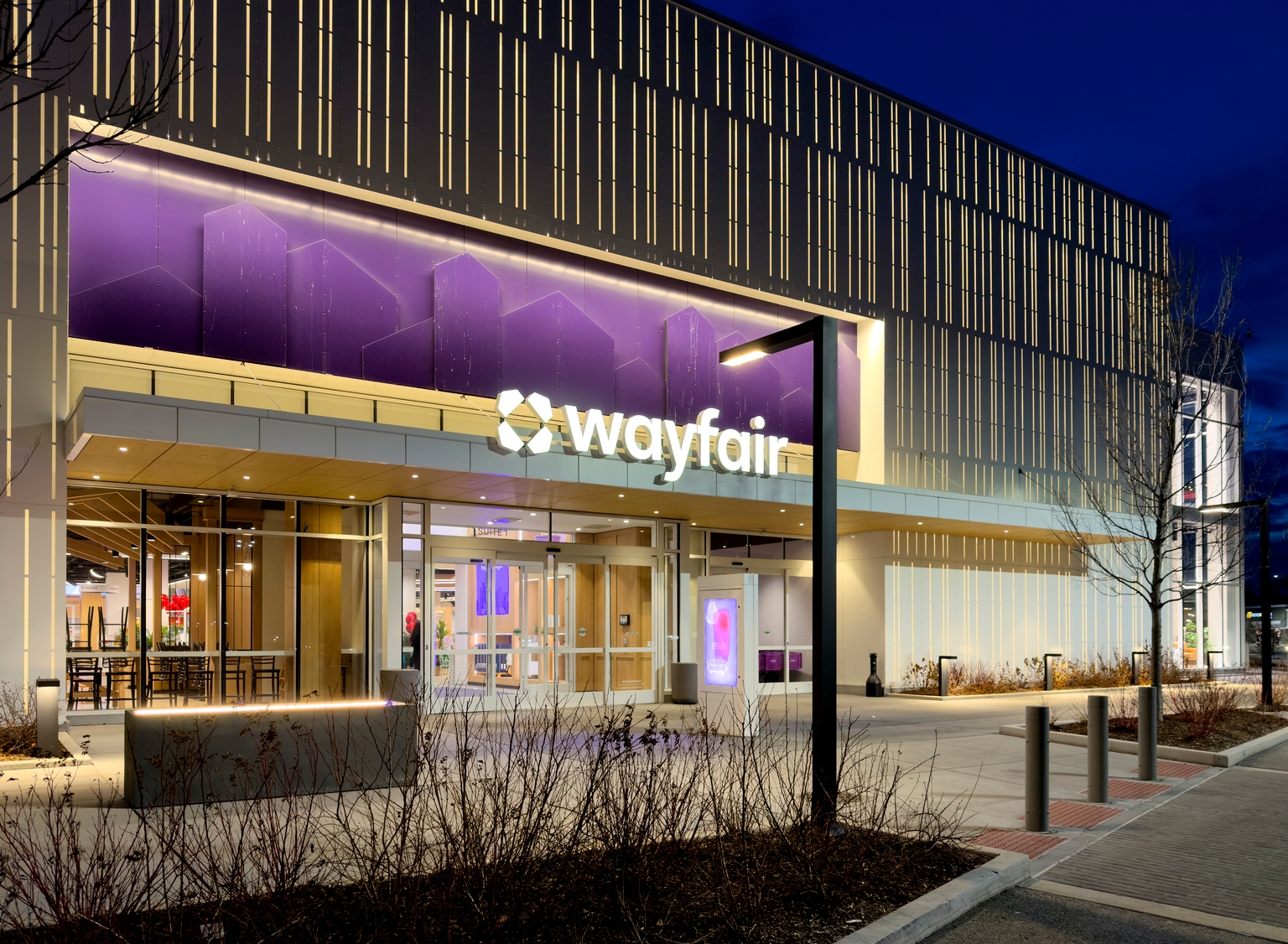
Wayfair has pivoted its operational narrative by prioritizing margin expansion over aggressive top-line growth, a shift that follows its recent quarterly performance. The company is currently navigating a period of reduced consumer spending on home furnishings, yet it has managed to maintain revenue stability through a combination of artificial intelligence integration and targeted influencer marketing campaigns. This strategic adjustment suggests that the firm is moving away from the high-burn growth phase that characterized its earlier years, opting instead to demonstrate operational efficiency in a challenging macroeconomic environment.
Operational Efficiency and Margin Focus
The company is leveraging its proprietary technology stack to optimize logistics and customer acquisition costs. By utilizing AI-driven tools to refine its product recommendations and supply chain routing, Wayfair aims to protect its bottom line even as the broader home goods sector faces persistent volume headwinds. This focus on internal metrics is a departure from the industry-wide reliance on heavy discounting, which has historically compressed margins across the online furniture space. Investors are now looking for evidence that these cost-saving measures can sustain profitability if consumer demand remains muted throughout the remainder of the fiscal year.
Sector Read-through and Competitive Positioning
Wayfair faces a unique set of pressures as it competes with both traditional big-box retailers and specialized e-commerce platforms. The current environment forces a choice between market share retention and margin preservation. While competitors continue to struggle with inventory bloat and rising fulfillment costs, Wayfair is attempting to differentiate itself by tightening its operational footprint. The success of this strategy hinges on the company's ability to retain its core customer base while simultaneously reducing the marketing spend required to acquire new shoppers.
AlphaScala data currently tracks W with an Alpha Score of 42/100, reflecting a mixed outlook as the company balances these internal improvements against broader sector volatility. This score highlights the necessity for consistent execution in upcoming quarters to justify the current valuation. Similar pressures are visible across the consumer cyclical landscape, where companies like AS are also navigating shifting demand patterns and supply chain complexities.
The Path to Sustained Profitability
The next concrete marker for Wayfair will be its ability to demonstrate sustained cash flow generation in the face of fluctuating interest rates, which directly impact the housing market and, by extension, furniture demand. Future filings will need to clarify whether the current margin gains are structural or merely a result of temporary cost-cutting measures. As the company moves forward, the primary focus for the market will be the sustainability of these efficiency gains during periods of seasonal demand shifts. If the company can maintain its current trajectory, it may provide a template for other retailers attempting to navigate the current stock market analysis landscape without relying on debt-fueled expansion. The upcoming quarterly guidance will serve as the definitive test for whether this margin-first strategy can withstand a prolonged period of stagnant consumer spending.