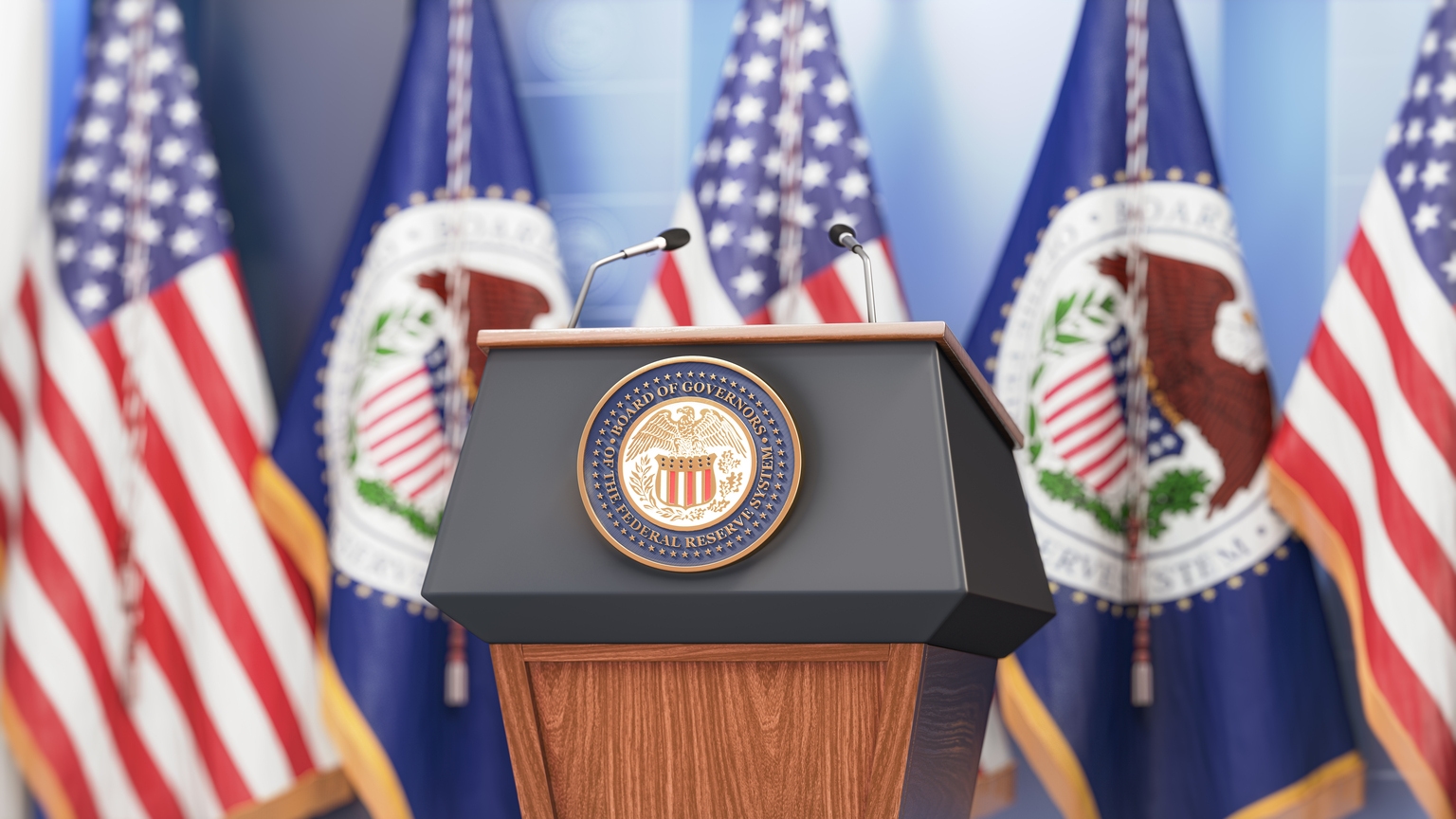
The Federal Reserve held rates steady Wednesday. Chairman Kevin Warsh offered no forward guidance on the path of policy, breaking with the post-2008 convention of signaling the next move. The statement dropped the usual language about "further adjustments" and replaced it with a single sentence: policy will depend on incoming data.
Treasury yields jumped. The 10-year note rose 8 basis points to 4.52%, its highest since November. The two-year yield, more sensitive to rate expectations, climbed 11 basis points to 4.18%. The dollar index gained 0.6% against a basket of major currencies.
Equities sold off. The S&P 500 fell 1.8%, with rate-sensitive sectors like utilities and real estate leading the decline. The Nasdaq dropped 2.1% as growth stocks repriced for a higher discount rate. The selloff accelerated in the final hour of trading, pushing the index to its lowest close in three weeks.
Warsh's hawkish debut does not mean rate hikes are coming, Pantheon Macroeconomics said in a note. The firm argued that the removal of forward guidance was a procedural reset, not a policy signal. "The committee is reclaiming optionality," Pantheon's chief economist wrote. "That is not the same as a tightening bias."
Markets read it differently. Fed funds futures priced in a 35% probability of a rate increase by September, up from 18% before the meeting. The implied probability of a cut by December fell to 40% from 55%.
Gold dropped 1.2% to $2,345 an ounce, breaking below its 50-day moving average. The move reflected a stronger dollar and higher real yields, which reduce the appeal of non-yielding assets. Crude oil fell 2% to $78.50 a barrel, pressured by the same dollar strength and by demand concerns after a surprise build in U.S. crude inventories.
The next test comes Friday with the February personal consumption expenditures price index, the Fed's preferred inflation gauge. A hot print would reinforce the hawkish shift. A soft one would give the doves a data point to cite at the next meeting.
Warsh declined to take questions after the statement, a break from the post-meeting press conference tradition his predecessors had established. The next scheduled press conference is in June.