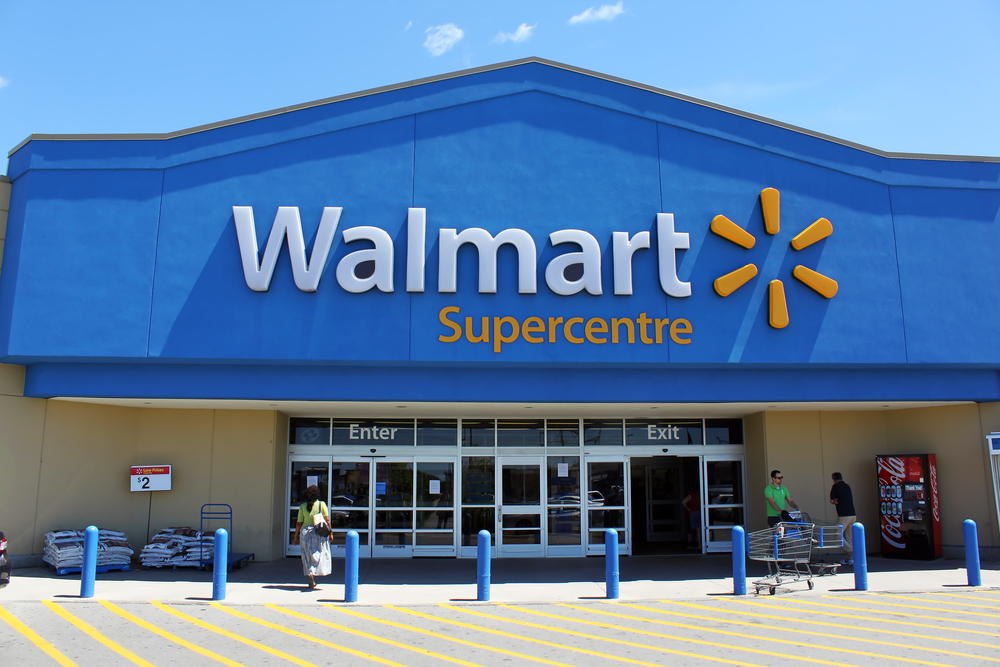
Walmart Inc. (WMT) has solidified its position as the world's largest retailer by leveraging its physical footprint to capture a dominant share of the U.S. e-commerce market. The company's ability to integrate its massive supply chain with digital fulfillment channels has shifted the narrative from traditional brick-and-mortar operations to a hybrid model that competes directly with pure-play digital retailers. This transition is central to how the market currently evaluates the company's long-term growth potential.
Competitive Positioning in the E-commerce Sector
The retail sector is undergoing a structural shift where scale is increasingly defined by the efficiency of last-mile delivery and inventory turnover. Walmart has utilized its existing store network as a logistical advantage to reduce fulfillment times for online orders. This strategy forces a direct comparison with Amazon.com Inc. (AMZN), which continues to refine its own logistics and cloud-integrated retail services. The competition between these two entities remains a primary driver for sector-wide valuation adjustments as both companies prioritize margin preservation over aggressive expansion.
AlphaScala Data and Market Context
AlphaScala data currently assigns WMT an Alpha Score of 61/100 with a Moderate label, while AMZN holds an Alpha Score of 54/100 with a Mixed label. The current price for WMT sits at $127.59, reflecting a 1.79% decline today. Meanwhile, AMZN is trading at $261.12, down 1.09%. These metrics highlight the ongoing volatility within the Consumer Staples and Consumer Discretionary sectors as investors weigh the impact of shifting consumer spending patterns against the operational costs of digital transformation. For further context on how these shifts align with broader market trends, readers can review our market analysis.
Strategic Implications for Retail Valuation
Investors are now evaluating whether the current valuation of major retailers accounts for the capital expenditure required to maintain dominance in digital channels. The focus has moved toward the sustainability of dividend payouts and the ability to generate free cash flow despite rising operational costs. As the retail landscape matures, the capacity for companies like Walmart to maintain their WMT stock page performance depends heavily on their ability to defend market share without eroding profit margins through excessive promotional activity.
Recent discussions on platforms like RDDT stock page reflect a growing interest in the quality of dividend-paying stocks, yet the underlying fundamentals remain tied to quarterly earnings reports and guidance updates. The next concrete marker for this narrative will be the upcoming fiscal guidance update, which will provide insight into how management plans to balance investment in automation with the need to sustain shareholder returns. Any deviation from current margin expectations will likely trigger a re-evaluation of the sector's defensive characteristics in the face of broader macroeconomic uncertainty.