VNOM, PR, CVX: Why Top-Ranked Analysts See 5% Yields and Upside
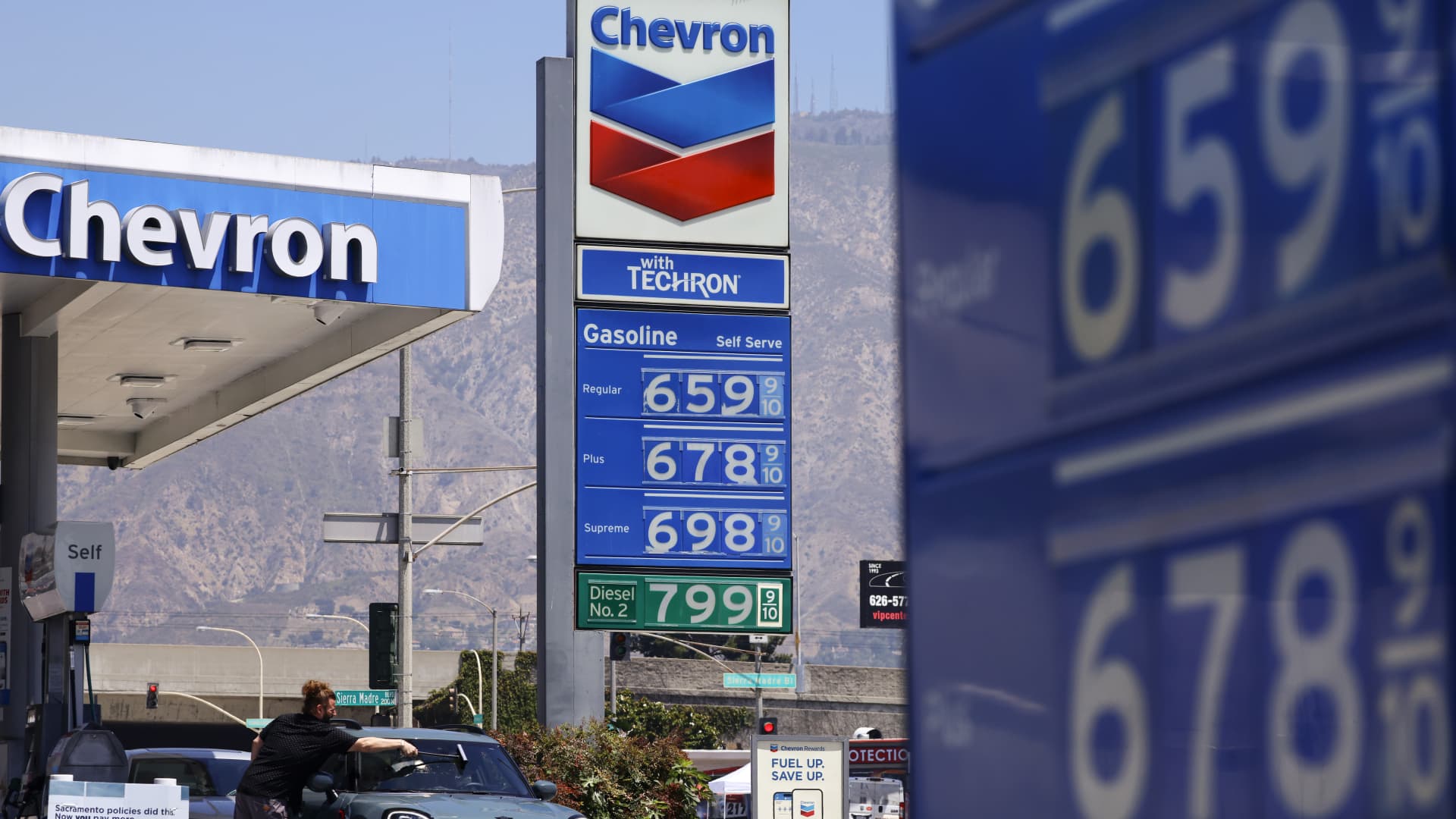
Viper Energy yields 5%, Chevron returns $6 billion quarterly, three energy dividend stocks backed by top-ranked analysts. See why inventory life and capital returns support upside.
Why Dividend Yield Alone Misses the Point for These Energy Stocks
Dividend stocks offer cash payments while waiting for appreciation. The challenge is distinguishing payouts that are sustainable from those that sit on weak business models. Three energy companies–Viper Energy (VNOM), Permian Resources (PR), and Chevron (CVX)–are currently backed by top-ranked Wall Street analysts who see both yield and upside. Each stock sits in a different part of the oil and gas value chain, so the risks and catalysts are not identical. The analysts' track records and the specific mechanisms behind each recommendation deserve a closer look than a simple yield-screening.
Viper Energy (VNOM): The Royalty Collector With a 5% Yield and a 15-Year Backlog
Viper Energy operates as a mineral and royalty interests company, primarily in the Permian Basin. This structure means VNOM does not pay for drilling costs. It collects a percentage of revenue from wells drilled on its acreage by operating partners like Diamondback Energy (FANG) , which owns about 39% of VNOM. For the first quarter of 2026, VNOM declared a base dividend of $0.38 per share plus a variable dividend of $0.30 per share, bringing the trailing yield to roughly 5%.
Why the RBC Capital Analyst Sees Structural Advantages
RBC Capital analyst Scott Hanold initiated coverage of VNOM with a buy rating and a $58 price target. Hanold, ranked No. 152 among more than 12,200 analysts on TipRanks with a 67% success rate and 20.2% average return, flagged several structural advantages.
Hanold highlighted VNOM’s 75% liquids-weighted production mix. In a strong oil price environment, this creates meaningful leverage because a higher percentage of revenue comes from crude rather than lower-margin natural gas. The royalty structure amplifies this benefit: when oil prices rise, VNOM’s cash flow rises without offsetting cost inflation.
Inventory Duration as a Moat
Hanold projects VNOM’s inventory life at 15 to 20 years, based on current development pace from operating partners. That is significantly longer than the typical peer duration in the mineral and royalty space. The relationship with Diamondback Energy provides visibility into forward activity and production, which supports high-margin organic growth and steady revenue and cash flows.
Practical rule: VNOM’s inventory depth creates a smoother distribution profile. A 15-to-20-year runway means management can plan capital returns with less urgency than peers facing inventory depletion in 5 to 7 years.
Balance Sheet and Capital Returns
VNOM carries an investment-grade rating and a lower cost of capital than most peers. That structure supports both sustainable distributions and strategic M&A. The analyst emphasized VNOM’s capital returns framework – the combination of a base dividend plus variable dividend tied to excess cash flow gives management flexibility while keeping shareholder payouts front and center.
- What would confirm the thesis: Rising oil prices sustaining above $70 per barrel, or Diamondback Energy announcing accelerated development on VNOM’s acreage.
- What would weaken it: A sustained crude price drop below Diamondback’s drilling breakeven, or inventory-life compression from slower partner activity.
VNOM currently carries an Alpha Score of 59/100 (Moderate label) on the AlphaScala platform. That score reflects a stock with reasonable risk-return characteristics for investors comfortable with energy sector exposure. The full profile is available on the VNOM stock page.
Permian Resources (PR): The Operator Adding Acreage Without Adding Debt
Permian Resources focuses on the same Permian Basin but as an operator, not a royalty collector. The stock offers a dividend yield of 3.2%, based on a base dividend of $0.16 per share for the second quarter of 2026. Hanold rates PR a buy with a $27 price target.
The Federal Lease Sale Impact
Permian Resources recently acquired 6,634 undeveloped acres in the New Mexico Delaware Basin through a federal lease sale, spending $152 million. By comparison, Devon Energy spent $2.6 billion and Matador Resources spent $1.1 billion for similar acreage.
Hanold noted that $152 million equates to almost one quarter of drilling based on Permian’s current pace. The transaction aligns with Permian’s typical quarterly acquisition activity and was funded with cash on hand. That matters because it means the company did not add debt to buy the acreage, preserving free cash flow for distributions.
Peer-Leading Free Cash Flow Yield
The analyst expects PR to outperform its peer group over the next 12 months, driven by peer-leading free cash flow yields that support a solid shareholder-return strategy. Permian has a 12-to-15-year inventory position in the core of the southern and northern Delaware Permian, plus a sizable position in the southern Midland Basin.
- What confirms the thesis: Quarterly production holding above 300,000 boe/d and free cash flow yields sustaining above 10%.
- What weakens it: Service cost inflation eroding margins faster than peer-group averages, or a regulatory shift that restricts Delaware Basin drilling.
Permian Resources registers an Alpha Score of 56/100 (Moderate label) on the AlphaScala platform, placing it in a similar risk zone as VNOM within the energy sector. For a broader look at energy names, see the stock market analysis page.
Chevron (CVX): The Supermajor Trading Below 15-Year NAV With a 3.8% Yield
Chevron returned $6 billion to shareholders in the first quarter of 2026, split between $2.5 billion in buybacks and $3.5 billion in dividends. The quarterly dividend of $1.78 per share yields 3.8%. Mizuho analyst Nitin Kumar reaffirmed a buy rating with a $230 price target.
Oil Price Sensitivity vs. Stock Valuation
Kumar raised his 2026 and 2027 oil price projections, expecting the impact of the U.S.-Iran conflict on oil prices and refining cracks to persist longer than its effect on Nymex crude futures. That matters for Chevron because its upstream segment benefits directly from higher realized prices, while its refining segment faces margin headwinds from wider crack spreads.
The analyst pointed out that large-cap oil-focused E&P companies, U.S. refiners, and integrated oil companies all trade below the average price-to-net-asset-value range from the past 15-plus years. Kumar’s ratings for Chevron, ConocoPhillips, Devon, Diamondback, and Occidental Petroleum already reflect this value opportunity.
Risk to watch: The value discount exists for a reason. If Chevron’s inventory depth or long-term production sustainability proves weaker than assumed, the NAV discount could persist or widen.
The Inventory Debate and Capital Discipline
Kumar noted that the major debate around Chevron centers on inventory depth and whether the company can sustain upstream volumes without sacrificing capital efficiencies. Management has shifted focus away from growth spending toward maximizing free cash flow. That shift supports buybacks and dividends. It also raises the question of whether replacement inventory will be acquired through acquisitions rather than organic drilling.
The analyst highlighted improved well productivity in the Permian Basin, including the use of surfactants, which has increased confidence in Chevron’s plan to sustain plateau production above 1 million boe/d from the basin through the end of the next decade.
The Hess Acquisition and New Energy Bets
Chevron’s pending Hess acquisition adds a top-quality deepwater asset in Guyana, extending the company’s high-margin production base. Kumar also flagged Chevron’s recent investments in lithium and power businesses as potential long-term growth drivers, though they remain small relative to the core oil and gas business.
- What confirms the thesis: Quarterly production sustaining above 1.2 million boe/d while buybacks and dividends continue at or above current levels.
- What weakens it: A prolonged oil price drop below $60 per barrel would pressure free cash flow and could force dividend or buyback cuts.
Chevron scores an Alpha Score of 39/100 (Mixed label) on AlphaScala. The lower score reflects the challenges of maintaining growth in a mature oil supermajor. See the full analysis on the CVX stock page.
The Shared Permian Exposure: One Basin, Three Risk Profiles
All three names depend on Permian Basin economics. VNOM collects royalties from Diamondback-operated wells. PR operates its own acreage. Chevron drills the basin at scale but also hedges with deepwater and gulf production. That geography concentration is the shared risk: if Permian breakevens rise due to cost inflation or if a federal policy shift restricts access, all three face headwinds.
Kumar’s point about large-cap oil stocks trading below their 15-year NAV range suggests that the sector is pricing in downside that may not materialize. The discount also means the stocks have less room to fall if oil prices correct – much of the pessimism may already be priced in.
Hanold’s inventory-duration argument for VNOM and PR is the most concrete differentiating factor. Longer inventory life supports higher sustainable payout ratios because management does not need to conserve cash to fund future acreage purchases. Chevron, with its broader portfolio and acquisition-driven strategy, has a different risk profile: the Hess deal adds deepwater exposure but also integration risk.
| Metric | VNOM | PR | CVX |
|---|---|---|---|
| Sector | Minerals/Royalties | E&P (Operator) | Integrated Oil |
| Dividend Yield | 5.0% | 3.2% | 3.8% |
| Analyst Rating | Buy (Hanold) | Buy (Hanold) | Buy (Kumar) |
| Price Target | $58 | $27 | $230 |
| Alpha Score | 59/100 | 56/100 | 39/100 |
For a comparison of broker offerings if you plan to hold these names long term, see the best stock brokers page.
What Changes the Thesis for Each Stock
Three catalysts could shift the outlook for this group. First, oil price volatility from the U.S.-Iran conflict: Kumar expects higher-for-longer prices. A diplomatic resolution would remove that tailwind and refocus attention on domestic production costs. Second, Permian Basin regulatory risk: federal lease sales and drilling permits remain subject to policy changes. Third, capital return consistency: Chevron’s $6 billion quarterly return is the most ambitious of the three, and also the hardest to sustain if free cash flow declines.
The common thread across all three names is that each offers a distinct yield-plus-growth profile backed by analysts with strong track records. The divergence in Alpha Scores – 59 for VNOM versus 39 for CVX – reflects the different risk profiles: a pure royalty model with long inventory life versus an integrated supermajor facing mature asset replacement challenges. The next decision point for an income-focused trader is whether the higher yield and longer inventory life of VNOM justify the concentrated Permian risk, or whether Chevron’s diversification and value discount provide a safer total-return path.
Drafted by a large language model from the source reporting linked above, then screened by automated publishing checks. It is not read by a journalist before publication. Some articles cite our Alpha Score. Verify prices and figures against the original source. Educational coverage, not personalized advice.