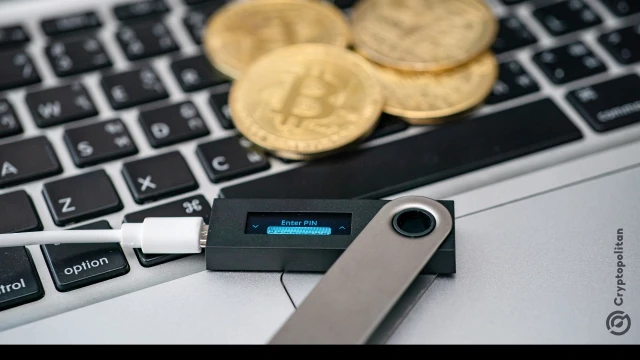
Vinnik Claims BTC-e Cold Storage Assets Remain Beyond US Reach

Alexander Vinnik claims that a portion of BTC-e's cryptocurrency holdings stored in cold wallets was never seized by U.S. authorities, potentially leaving legacy assets still in circulation.
Alpha Score of 65 reflects moderate overall profile with strong momentum, moderate value, moderate quality. Based on 3 of 4 signals — score is capped at 90 until remaining data ingests.
Alpha Score of 42 reflects weak overall profile with moderate momentum, weak value, poor quality, moderate sentiment.
Alpha Score of 55 reflects moderate overall profile with moderate momentum, moderate value, moderate quality. Based on 3 of 4 signals — score is capped at 90 until remaining data ingests.
Alpha Score of 46 reflects weak overall profile with strong momentum, poor value, poor quality, moderate sentiment.
The BTC-e Asset Trail
Alexander Vinnik, the former operator of the defunct cryptocurrency exchange BTC-e, stated that U.S. law enforcement authorities failed to seize a significant portion of the exchange's digital holdings. According to Vinnik, the coins held in cold storage remain uncompromised by federal seizure efforts, despite the high-profile shuttering of the platform years ago.
This assertion challenges the long-standing assumption that the entirety of BTC-e's illicitly managed assets were successfully liquidated or recovered by the Department of Justice. For years, the market has operated under the premise that the exchange's wallets were effectively neutralized. If Vinnik’s claims hold weight, a substantial amount of legacy Bitcoin (BTC) and other assets could still be sitting in dormant addresses, potentially subject to future movement or recovery efforts.
Market Impact and Forensic Implications
Traders often monitor the movement of seized assets, as large-scale liquidations by government agencies can create sudden supply shocks. The U.S. government remains one of the largest holders of seized crypto, and their historical sales have occasionally triggered volatility across the Bitcoin (BTC) profile. If these specific BTC-e funds are indeed still in cold storage, they represent a hidden variable in the supply-demand balance.
"The U.S. law enforcement has not seized BTC-e coins kept in cold storage," Vinnik noted, suggesting a disconnect between the official narrative of the exchange's dismantling and the actual status of the private keys.
For market participants, the persistence of these funds raises questions about:
- Asset Traceability: How many "lost" coins are actually just sitting in unaccessed cold wallets belonging to defunct entities?
- Future Liquidity: Whether these assets will eventually be recovered by private entities or remain permanently stranded.
- Security Standards: The effectiveness of cold storage in resisting even the most sophisticated international law enforcement operations.
What Traders Should Watch
Market participants should monitor blockchain analytics reports for any sudden activity in wallets historically linked to BTC-e. Large, unexpected transfers from addresses that have been dormant for nearly a decade often precede significant price swings as speculators react to fears of selling pressure. Any confirmation of these funds moving would likely spark intense interest from both regulators and the broader crypto market analysis community.
Keep an eye on the legal filings surrounding Vinnik's ongoing proceedings. If the defense team provides evidence of these cold storage holdings, it could force a reassessment of the total recoverable assets from the BTC-e case. While the exchange has been offline for years, the digital footprint of its assets remains a potential catalyst for localized volatility, particularly if the keys to these wallets surface in court or via on-chain movement.
AI-drafted from named sources and checked against AlphaScala publishing rules before release. Direct quotes must match source text, low-information tables are removed, and thinner or higher-risk stories can be held for manual review.