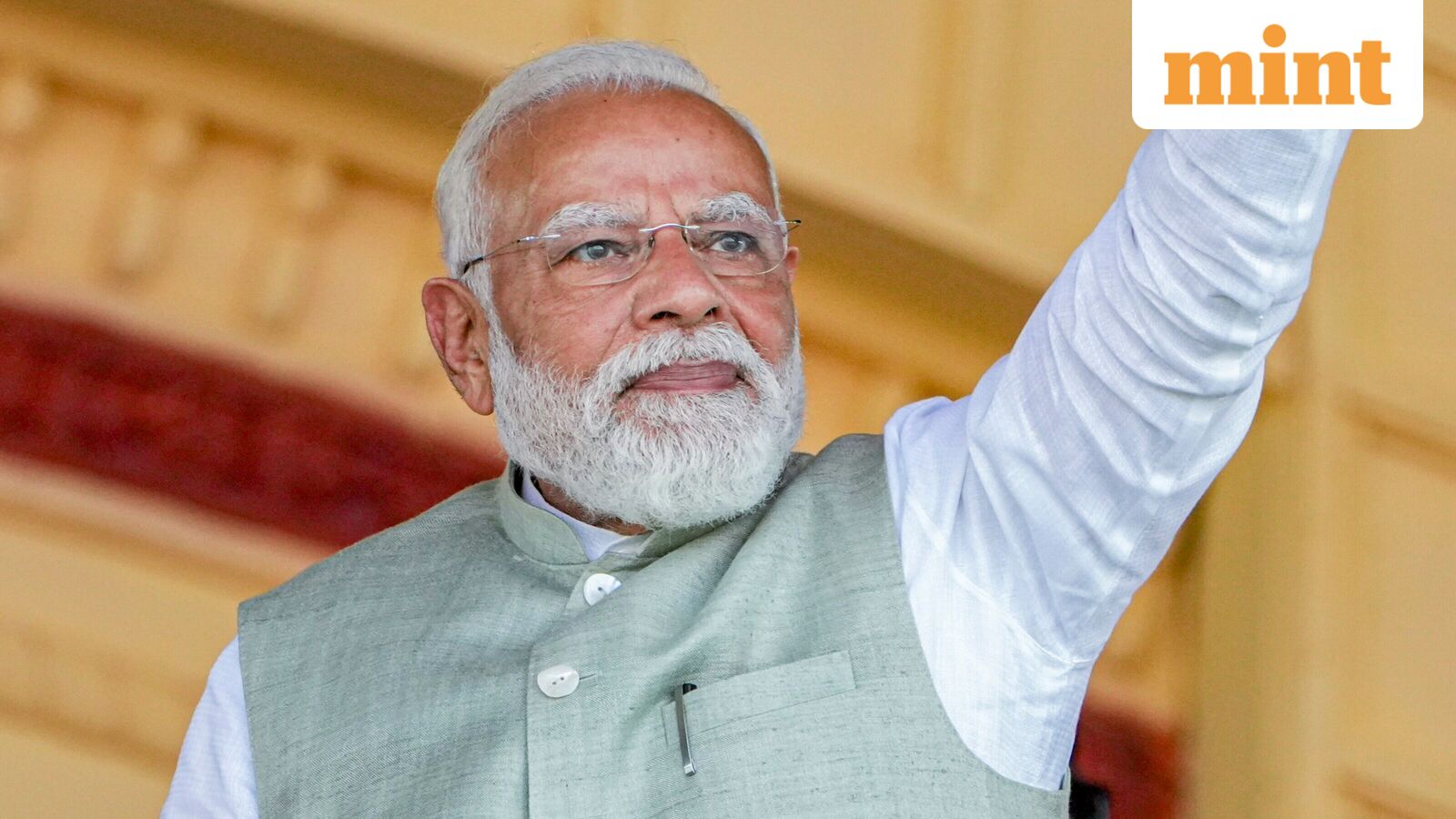
Vietnam President To Lam is scheduled to visit India from May 5 to May 7 at the invitation of Prime Minister Narendra Modi. This diplomatic engagement marks the 10th anniversary of the Comprehensive Strategic Partnership established in 2016. The timing of the visit suggests a deepening of bilateral ties that extends beyond traditional diplomatic protocols into the realm of industrial and economic integration.
Industrial Corridor and Supply Chain Diversification
The focus of the upcoming discussions centers on the evolution of the Comprehensive Strategic Partnership. Since the 2016 agreement, both nations have sought to recalibrate their manufacturing footprints to reduce reliance on singular regional hubs. For investors monitoring the technology and manufacturing sectors, this visit serves as a signal of intent regarding cross-border infrastructure and trade facilitation. Companies currently evaluating stock market analysis for emerging market exposure will look for specific commitments regarding the streamlining of logistics and the harmonization of regulatory standards between the two nations.
Vietnam has emerged as a critical node in the global electronics and hardware supply chain. As India continues to incentivize domestic manufacturing through production-linked schemes, the synergy between Vietnamese assembly capabilities and Indian scale becomes a strategic priority. The dialogue is expected to address the movement of intermediate goods and the reduction of trade barriers that currently impede a more fluid manufacturing corridor.
Strategic Infrastructure and Regional Connectivity
The 10th-anniversary milestone provides a formal platform to review the efficacy of existing maritime and digital connectivity projects. Previous initiatives have focused on enhancing regional security and trade routes, but the current economic climate demands a shift toward tangible industrial output. The visit is likely to produce frameworks for joint ventures in high-tech sectors, potentially impacting firms that operate across the Indo-Pacific region.
AlphaScala data currently tracks several sectors sensitive to these shifts. For instance, ON stock page reflects the broader volatility in the semiconductor and hardware space, where regional supply chain stability is a primary valuation driver. While the diplomatic visit is a high-level event, the resulting memoranda of understanding will dictate the pace of capital expenditure for firms looking to diversify their footprint away from concentrated manufacturing hubs.
The Path to Implementation
The concrete marker for this visit will be the subsequent release of joint statements regarding trade quotas and investment protection agreements. Investors should monitor the follow-up filings from the Ministry of External Affairs and the Ministry of Industry and Trade in Vietnam. These documents will clarify whether the partnership will move toward a preferential trade agreement or remain focused on sector-specific cooperation. The outcome will determine the viability of long-term infrastructure projects that rely on the stability of the India-Vietnam trade corridor.