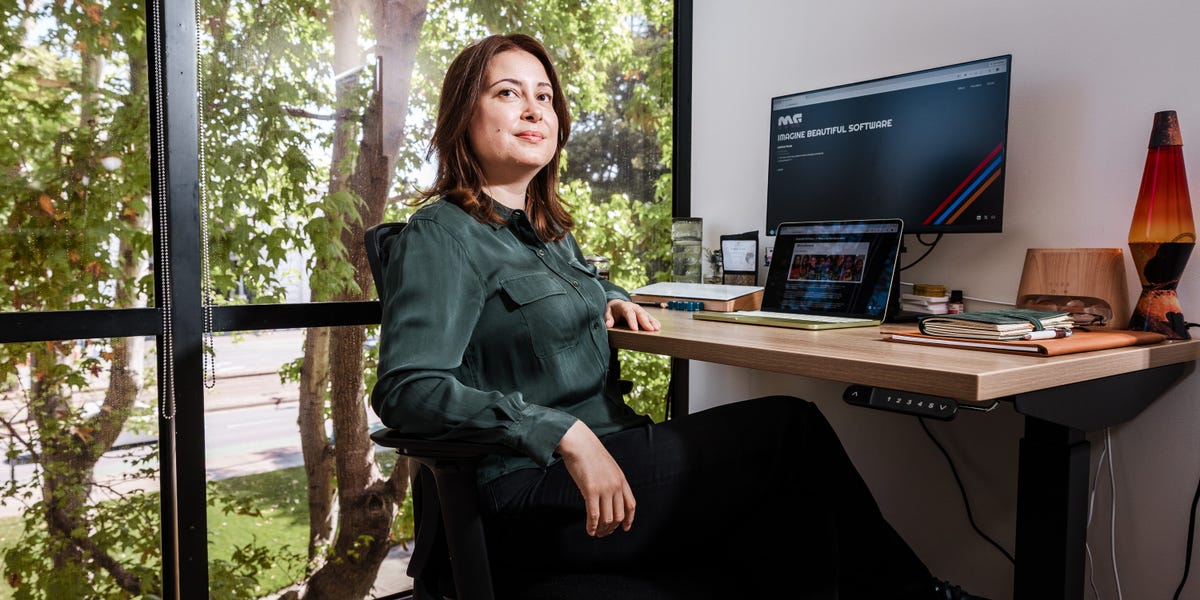
Oana Olteanu turned down a job at artificial intelligence lab Poolside. She took the upside instead. After stints at Scale Venture Partners and SignalFire, Olteanu is now building her own venture firm around the kind of drive that defined her career. The decision to forgo a salary at a high-profile AI startup in favor of equity upside is a signal worth unpacking for anyone tracking talent flows in the AI sector.
The Poolside Decision
Poolside is an AI lab focused on code generation, a space that has drawn massive venture interest. Olteanu, then a partner at an early-stage fund, had an offer to join the company as an employee. Instead, she chose to remain on the investor side and capture the upside through her own fund. The move tells the market two things: first, that top-tier venture talent sees more asymmetric return potential in building a firm than in taking a C-suite role at even a hot AI startup. Second, that the compensation structure in AI – heavy on equity, light on base – is now competing directly with carry in venture capital.
Why the Upside Structure Matters
The naive read is that Olteanu simply preferred being a founder to being an employee. The better market read involves liquidity and valuation mechanics. A venture partner at a firm like Scale Venture Partners typically earns carried interest on a fund, which vests over a decade and pays out only on exits. An AI startup employee gets stock options that may have a shorter path to liquidity via secondary sales or an IPO. By turning down Poolside, Olteanu is betting that her own fund's carry will outperform the equity she would have received at the lab. That bet implies a view that the AI startup ecosystem is overvalued at the employee level – or that the venture capital model still offers superior risk-adjusted returns for someone with her network.
What This Means for AI Startup Valuations
Olteanu's move is a micro-signal in a broader trend: the war for AI talent is now affecting venture capital itself. When a seasoned investor chooses to build a firm rather than join a portfolio company, it suggests that the supply of AI deal flow is still rich enough to support new funds. It also suggests that the compensation gap between venture carry and startup equity is narrowing. For limited partners evaluating AI-focused funds, this kind of founder-operator background becomes a differentiator. For public market investors watching AI names like NVIDIA or Microsoft, the signal is indirect but relevant: if top-tier talent continues to flow into venture rather than into operating roles, the pace of AI innovation may shift from startups to incumbents with deeper pockets.
The Decision Point
The next concrete catalyst is the first close of Olteanu's new fund. If she raises capital quickly from LPs who value her track record at Scale Venture Partners and SignalFire, it will confirm that the market sees room for new AI-focused vehicles. If the fund takes longer to close, it may indicate that LPs are saturated with AI exposure. Either way, Olteanu's choice to take upside over salary is a case study in how the AI boom is reshaping career incentives – and where the real value creation is expected to occur.