Stocks● Neutral
Uttar Pradesh Storm Death Toll at 111 Raises Climate Risk Stakes
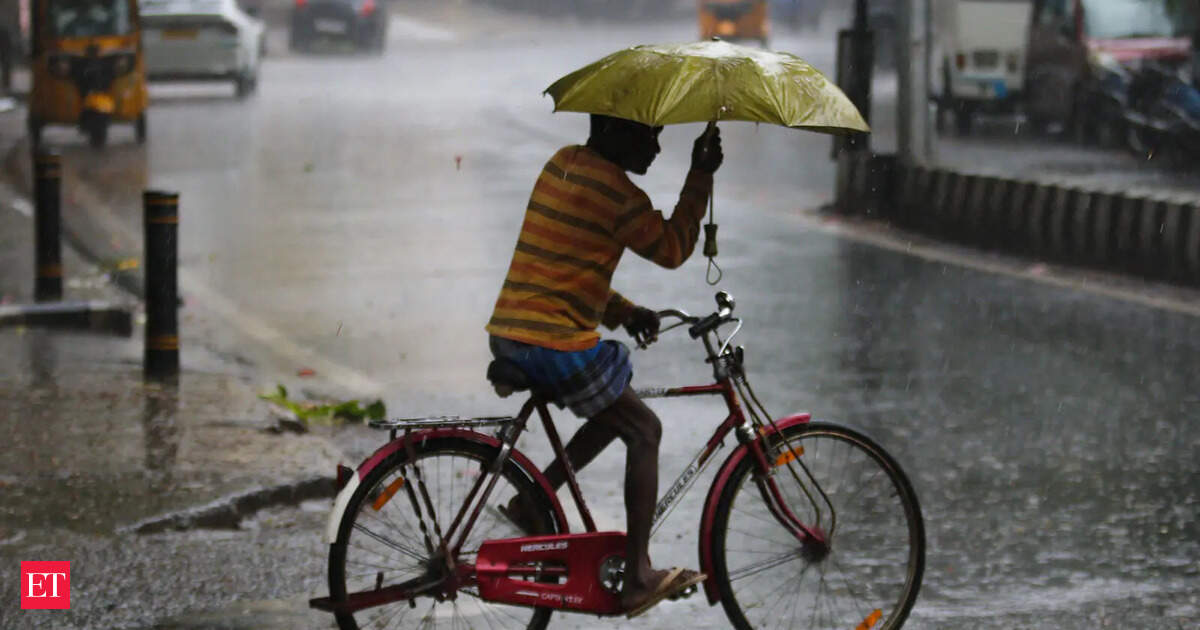
Severe pre-monsoon storms in India’s most populous state killed over 111 people, damaging infrastructure and crops. The event sharpens focus on climate-linked economic disruption ahead of the monsoon.
Continue with
Severe pre-monsoon storms swept through Uttar Pradesh this week, leaving 111 people dead and causing widespread damage to buildings, roads, and farmland. Gales, lightning, and heavy rain uprooted trees and blocked transport routes across India’s most populous state. The death toll makes this one of the deadliest pre-monsoon weather events in recent years, and it arrives just weeks before the official monsoon onset.
Uttar Pradesh Damage and Immediate Fiscal Response
The storms hit a region where agriculture employs nearly half the workforce. Early reports indicate damage to standing crops, rural housing, and power lines. State officials have begun distributing financial aid to affected families, a process that will draw on state disaster relief funds. The scale of the payout is not yet quantified, however similar events in the past have required supplemental budget allocations. For a state already managing a high fiscal deficit, unplanned relief spending can crowd out capital expenditure later in the fiscal year.
The infrastructure damage also has a direct read-through for construction and cement demand in the near term. Blocked roads and damaged buildings will require repair work, potentially pulling forward some rural construction activity. That dynamic often creates a short-term demand bump for cement and steel suppliers with exposure to northern India, though the net effect depends on how much of the repair work is publicly funded versus borne by households.
Sector Read-Through: Agriculture, Power, and Insurance
Pre-monsoon storms are a known risk for India’s summer-sown crops. Farmers in Uttar Pradesh were preparing fields for kharif sowing, and the heavy rain and wind likely delayed planting in some districts. A prolonged disruption could shift the acreage mix toward shorter-duration crop varieties, with implications for fertilizer and pesticide demand in the June–July window.