US Treasury Yen Intervention Using Euros Raises New Risks
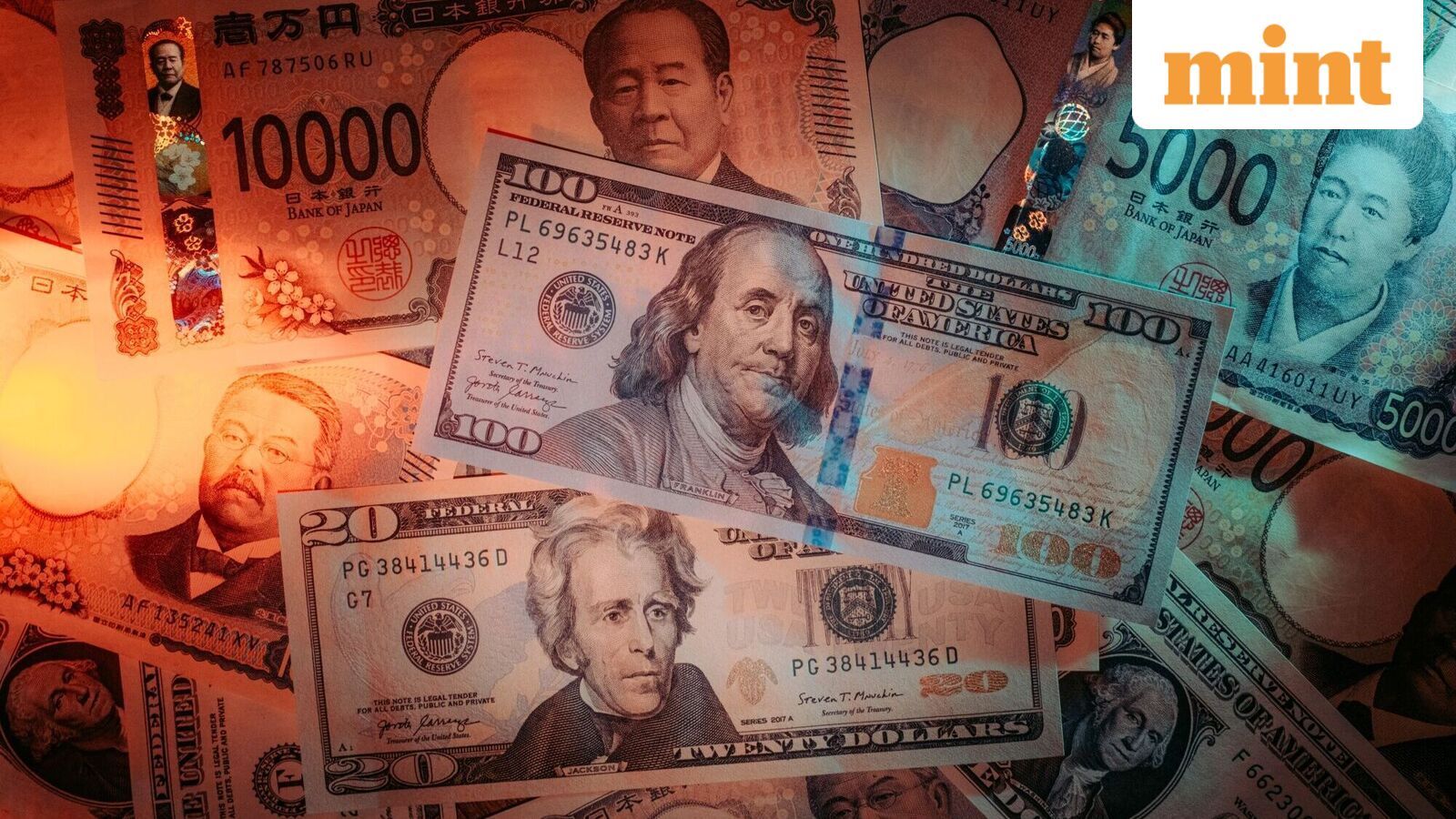
The US Treasury sold euros to buy yen, arresting the slide temporarily. With Japan's debt costs rising and policy tensions deepening, the yen is weakening again. The carry trade faces renewed risk.
Alpha Score of 40 reflects weak overall profile with weak momentum, poor value, moderate quality, weak sentiment.
The US Treasury intervened to support the yen earlier this month by selling euros from its reserves, a move telegraphed when a notepad listing Treasury Secretary Scott Bessent's intention to buy yen was photographed. The intervention worked in the short term: the yen rose against the dollar. This week it weakened again to around 159, according to a Mint column by Rahul Jacob.
The method was unusual. The Treasury used euros rather than dollars, and did not coordinate with the European Central Bank. A Trump administration official later said the US respected "the confidentiality of private discussions, unlike the ECB," a remark that deepened the rift between Washington and Frankfurt. Bessent, a former chief investment officer for George Soros, has the trading instincts but his diplomatic touch is less certain, Jacob wrote.
The intervention arrested the yen's slide from 163. The underlying pressures have not abated. Japan's Ministry of Finance projects debt service costs will rise to 30% of total expenditure by 2029-30, from a quarter last year. The transition from zero interest rates has made servicing that debt more expensive.
Bank of Japan Governor Kazuo Ueda has struggled to justify higher rates to a public accustomed to cheap money. Japanese Prime Minister Sanae Takaichi's government has pressured the BOJ to keep policy loose. Economy ministers have attended rate-setting meetings repeatedly since Takaichi took office. Bill Emmott, author of "The Sun Also Sets," described the result as muddled economic policy that harks back to Japan's post-war industrial strategy but will not work amid an aging crisis.
The Takaichi government has identified 17 strategic sectors, from quantum computing to content, and is counting on 222 trillion yen of private investment. At the same time, it plans to slash the consumption tax on food to 1% next year to soften inflation, even as it needs revenue for defense and industrial policy. The fiscal and monetary mix is pulling in opposite directions.
The New York Times observed that Bessent acted to help ensure US borrowing costs did not rise further. If the BOJ had sold dollars to boost the yen, it would have driven up US Treasury yields, which have already climbed above 5% on the 30-year bond. The Federal Reserve's commitment to fighting inflation remains in doubt among some investors, the Financial Times columnist Katie Martin noted.
The yen carry trade – where investors borrow cheaply in yen to invest in higher-yielding assets elsewhere – is deeply embedded in global markets. US intervention that props up the yen can unwind those positions, increasing volatility across currencies, equities, and bonds. The effect is unpredictable, Jacob wrote.
Bessent's support for Ueda to raise rates conflicts with Takaichi's preference for cheap money. The yen's renewed decline this week shows the intervention bought time, not a solution. The next test will come when the BOJ next meets to set rates, with the government watching closely. For traders tracking forex market analysis, the carry trade's sensitivity to policy shifts remains a key variable.
Drafted by a large language model from the source reporting linked above, then screened by automated publishing checks. It is not read by a journalist before publication. Some articles cite our Alpha Score. Verify prices and figures against the original source. Educational coverage, not personalized advice.