US Treasury Expands Iran Sanctions to Crypto, Gold and Tech
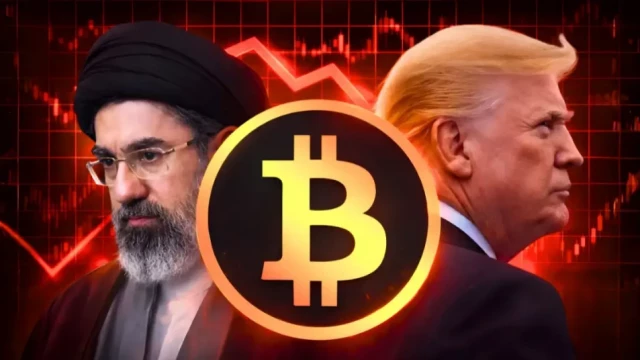
The US Treasury expands Iran sanctions to crypto, gold, tech, aviation and shipping. Nearly 60 targets already sanctioned. IRGC accounts for 50% of Iran's crypto activity.
Alpha Score of 67 reflects moderate overall profile with strong momentum, strong value, weak quality, moderate sentiment.
The U.S. Treasury Department expanded its Iran sanctions to cover crypto, gold, technology, aviation and shipping. The action, announced under Executive Order 13902, gives the Office of Foreign Assets Control new authority to target businesses and individuals operating in those sectors, the Treasury said.
Treasury Secretary Scott Bessent said the move is meant to stop Iran from using alternative financial channels to bypass U.S. pressure. Nearly 60 people, companies and vessels linked to Iran have already been sanctioned across the UAE, China, Hong Kong, Singapore and Europe. One target was a UAE-based shipping broker accused of handling more than $100 million in crypto payments tied to Iranian oil sales, according to the Treasury.
The Treasury said Iran is using crypto to move funds, avoid banking restrictions and support activities connected to the Islamic Revolutionary Guard Corps. The IRGC accounts for roughly 50% of Iran's crypto activity, using digital assets for oil sales and sanctions evasion, the Treasury added. The U.S. previously pressured Tether to freeze about $475 million in USDT linked to Iran. Tether blocked the funds using its wallet blacklist system.
Iran's crypto economy has grown to more than $7.78 billion in 2025, the Treasury said, driven by inflation and limited access to global banking. The new rules do not mean every crypto user is breaking the law. They create bigger risks for global exchanges and companies that work with Iranian entities. Those that continue facilitating sanctioned Iranian groups could face U.S. sanctions and lose access to the U.S. dollar system, Bessent warned.
Drafted by a large language model from the source reporting linked above, then screened by automated publishing checks. It is not read by a journalist before publication. Some articles cite our Alpha Score. Verify prices and figures against the original source. Educational coverage, not personalized advice.